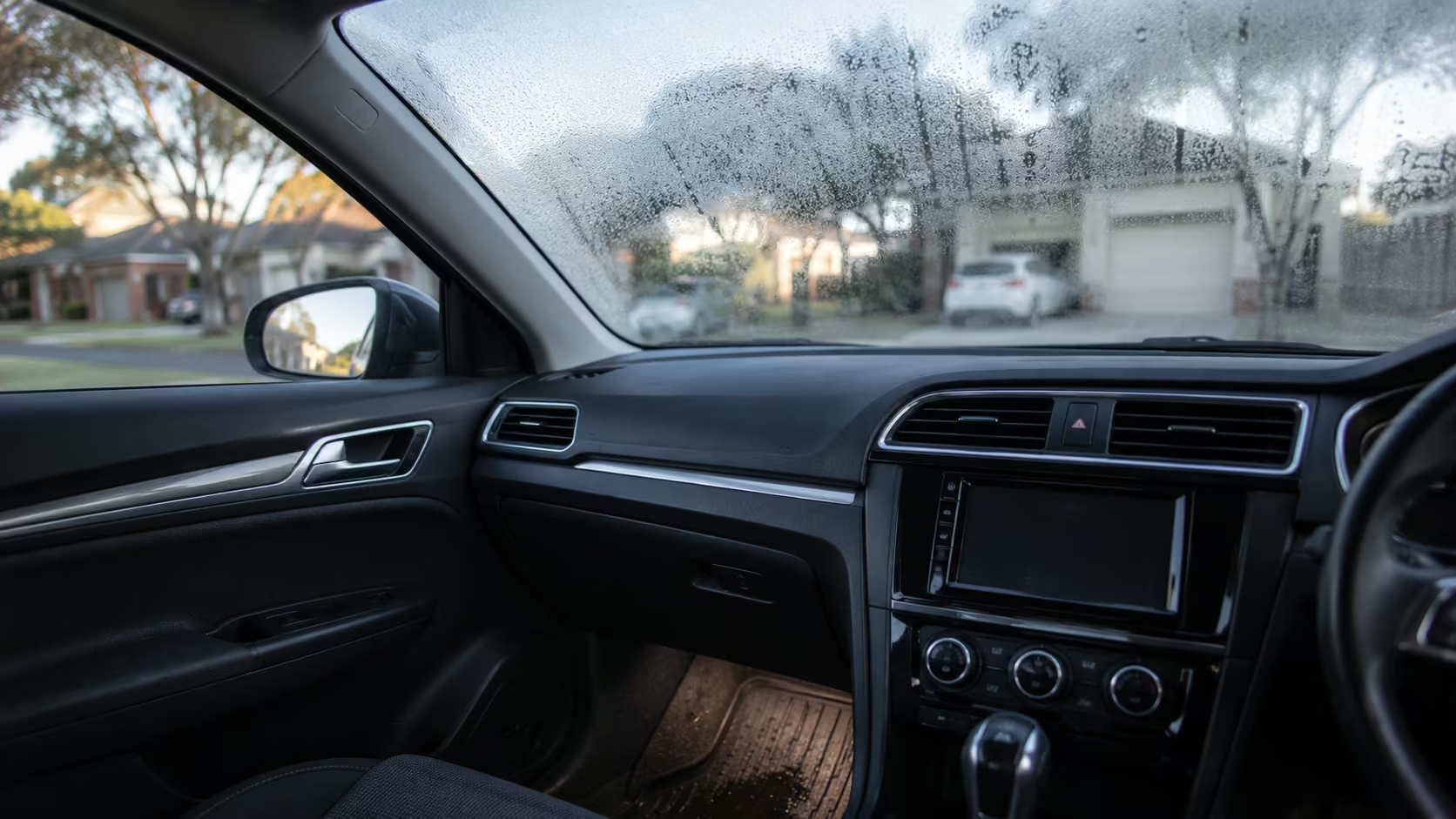
A windscreen that fogs constantly means there is more moisture inside the cabin than the ventilation can remove. Common sources are a blocked air conditioning drain, water leaking past door or windscreen seals, blocked sunroof drains, damp carpet, and using recirculation instead of fresh air.
Every car fogs occasionally. Four people breathing on a cold morning will mist the glass in any vehicle ever built, and it clears within a minute of the demister running. The car worth investigating is the one that fogs every single trip, clears reluctantly, and mists again as soon as you switch the fan off, because that pattern says water is living inside the car rather than arriving with the passengers.
Call Now
Why Condensation Forms on the Inside of the Glass
Warm air holds more water vapour than cold air. Cabin air picks up moisture from breath, damp clothing and anything wet in the car, and when that air meets glass that is colder than the air itself, the vapour condenses on contact. That is why fogging is worse in cold weather and worse again in rain, since the glass is being cooled from outside while moisture is being added inside.
The important consequence is that fogging is a moisture problem, not a glass problem. Wiping the screen removes water from the surface without removing any of it from the cabin, which is why it returns within minutes and why the smear left behind actually gives the next round of condensation something to cling to. Clearing it properly means either drying the air or finding whatever keeps supplying it.
Recirculation Is the Most Common Mistake
The recirculation setting closes the cabin off from outside air and circulates what is already in there. It is genuinely useful for cooling quickly on a hot day, or for keeping smoke and traffic fumes out for a few minutes. Leave it on permanently and every bit of moisture you and your passengers produce stays sealed inside the car with you.
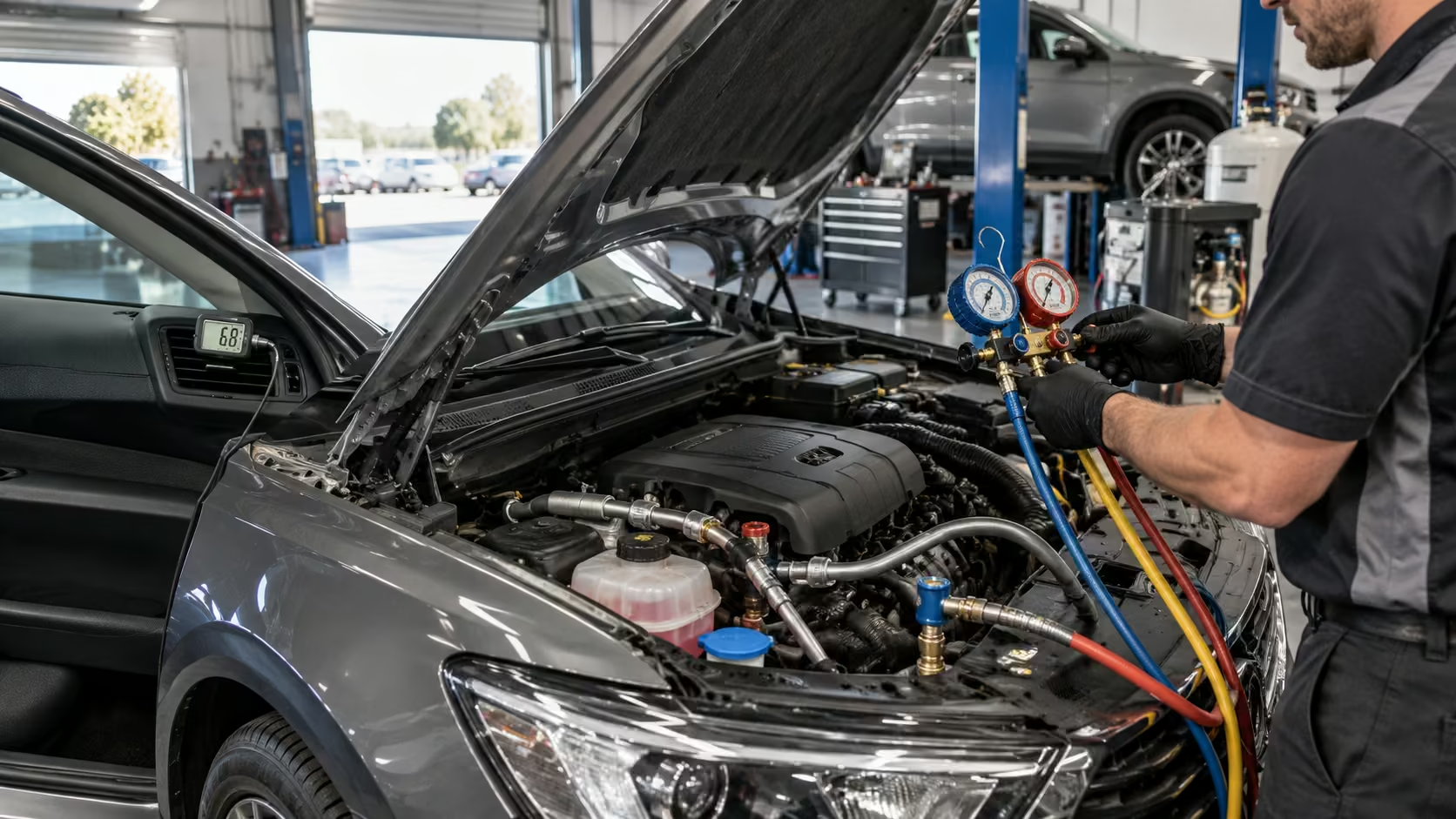
Fresh air mode does the opposite, constantly exchanging humid cabin air for drier outside air, which is why the fastest way to clear a screen is warm air, directed at the glass, with the air conditioning running and recirculation off. The compressor dries the air as it passes through, so an air conditioning system that has lost its performance takes the dehumidifying step out of the equation entirely and leaves the demister working with one hand tied behind its back.
A Blocked Air Conditioning Drain Traps Water in the Car
The air conditioning system pulls a surprising amount of water out of the cabin air, and all of it collects on the evaporator inside the dashboard before draining out through a small tube under the car. That tube is narrow, it sits in a dirty environment, and it blocks with leaf debris, dust and mould more often than owners realise.
When it blocks, the water has nowhere to go. It sits in the housing under the dashboard, evaporating slowly back into the very air the system is meant to be drying, and the cabin never gets ahead of it. The recognisable signs are a musty smell when the fan first comes on, a damp passenger footwell, and sometimes a sloshing sound over corners. Clearing that tube rarely takes long, and it resolves fogging no amount of demisting could ever fix.
Water Leaking Into the Cabin Through Seals and Drains
The other major source is water that should never have been inside at all. Door seals perish and flatten with age, windscreen and rear screen seals can fail, particularly after glass replacement, and sunroof drain tubes block with debris exactly like air conditioning drains do. A sunroof is designed to let a certain amount of water in and channel it away through those tubes, so when they block, the water finds the cabin instead.
The test is straightforward and worth doing before booking anything. Press firmly along the carpet in every footwell, including under the mats, and check the boot around the spare wheel well, which is where water often collects unseen. Damp or wet carpet anywhere in the car is a permanent moisture source that will fog your windows every day until it is found and dried, and it will grow mould while it does it.
Damp Carpet Cabin Filters and Everyday Sources
Not every source is a fault. Wet umbrellas, gym gear left in the boot, a dog after a beach walk, or a spilled drink soaked into the underlay will all keep a cabin humid for days. The fix is drying the car out properly rather than diagnosing it, and a few hours with the windows down on a dry day does more than any amount of demisting. Worth adding that an oily film that smears rather than wipes clean is a different problem altogether and needs treating as such rather than as ordinary condensation.
The cabin filter deserves a mention because it is cheap and frequently ignored. A filter clogged with leaves and dust restricts airflow through the whole ventilation system, so the demister moves less air across the glass and takes far longer to clear it. Swapping a filter neglected for several years is a modest job that lifts demisting, airflow and cabin smell all at once.
Why Constant Fogging Is a Safety Problem
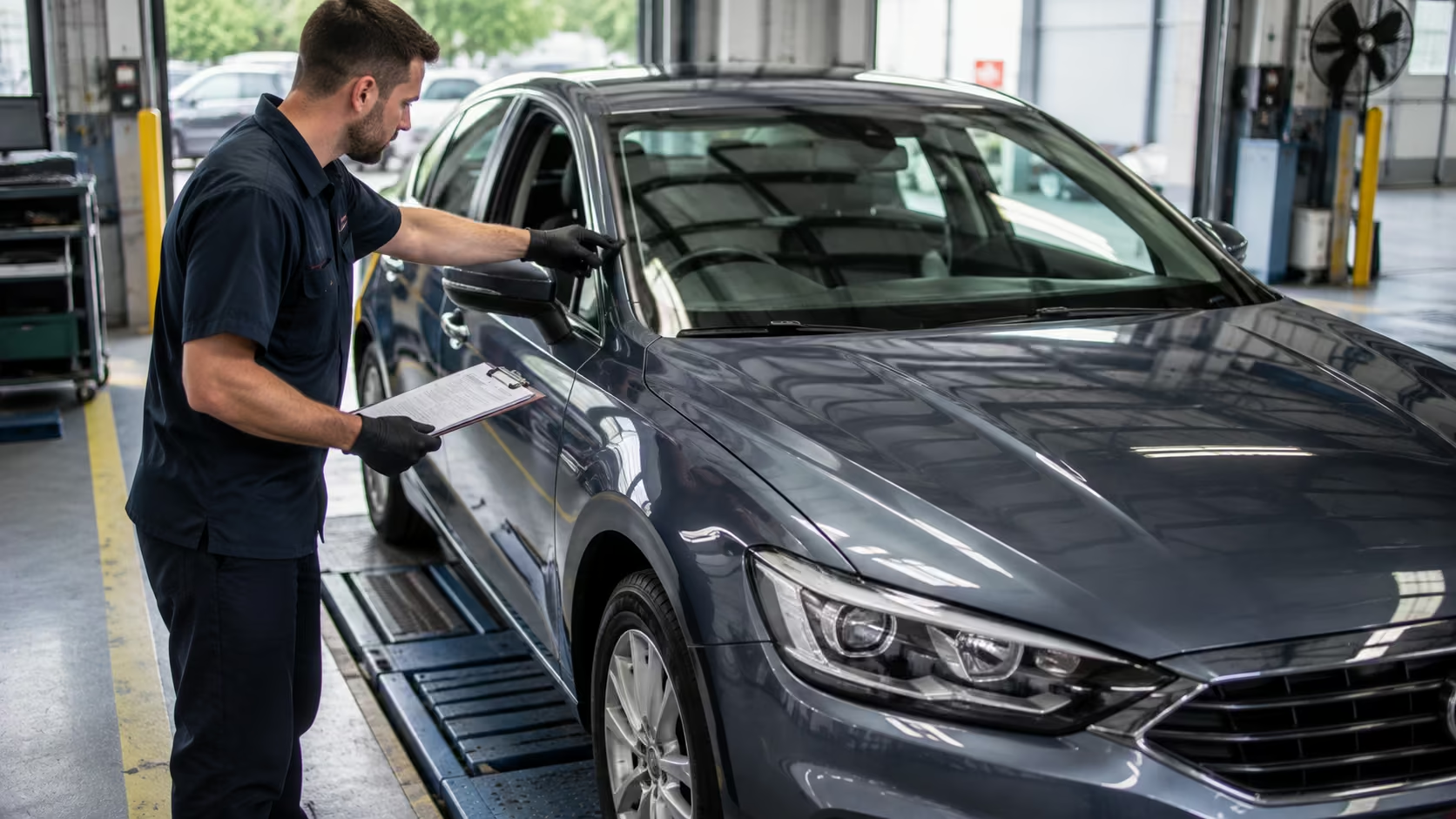
Most owners file this under irritation, and the risk deserves stating bluntly. A windscreen that fogs while you are driving removes your ability to see out of it, and it happens fastest at exactly the wrong moments, pulling out of a driveway on a cold morning or setting off in rain. Driving with obscured vision is both dangerous and something an inspection takes seriously.
There is also the matter of what persistent damp does to the car. Water sitting in carpet underlay grows mould, which affects the air everyone in the car breathes, and it corrodes floor pans and the electrical connectors that live under carpet and seats from underneath. A leak that presents as an annoying foggy screen is quietly doing damage that costs far more than the seal or the drain would have.
How a Water Leak Is Traced Properly
Finding water ingress is a methodical job because water travels along panels and seams before it drops, so where it appears is rarely where it entered. The car gets dried thoroughly first, since a soaked interior tells you nothing. Then the suspects are tested in turn: drains flushed and checked, seals inspected and pressure or hose tested in sections, and the carpet lifted where necessary to trace the path back to its origin rather than guessing at it.
Getting the Moisture Out for Good
If your screen fogs on every trip, the water is coming from somewhere and it will keep coming until that source is found. A to Z Automotive Services hunts down the actual entry point rather than treating the symptom, checking drains, seals and the air conditioning housing, worth booking before the carpet starts smelling. A good number finish at a blocked drain tube that clears in minutes, and that is a considerably better outcome than a summer of driving with the windows down.
Frequently Asked Questions
What clears a fogged windscreen fastest?
Air conditioning on, temperature warm, air directed at the screen, and recirculation switched off. That combination dries the air and warms the glass at the same time, which attacks condensation from both directions. Recirculation left on is the single most common reason a screen refuses to clear.
Why does my car fog up more when it rains?
Because you carry the water in with you. Wet clothes, umbrellas and shoes release moisture into a closed cabin, and rain also cools the glass, so there is more moisture and a colder surface for it to condense on. A car that fogs badly in every shower usually has damp carpet holding water from the last one.
Can a blocked cabin filter cause fogging?
It contributes, because a clogged filter restricts airflow and a demister that cannot move enough air cannot clear the screen quickly. It is rarely the whole story on its own, and it is cheap enough that replacing an old one is worth doing before chasing anything more complicated.
Why does the fog come back within minutes of wiping it?
Wiping removes the water from the glass without removing it from the cabin, so it simply condenses again. It also leaves a smeared film that gives moisture something to cling to. If wiping is the only thing keeping the screen clear, there is a water source inside the car that needs finding.