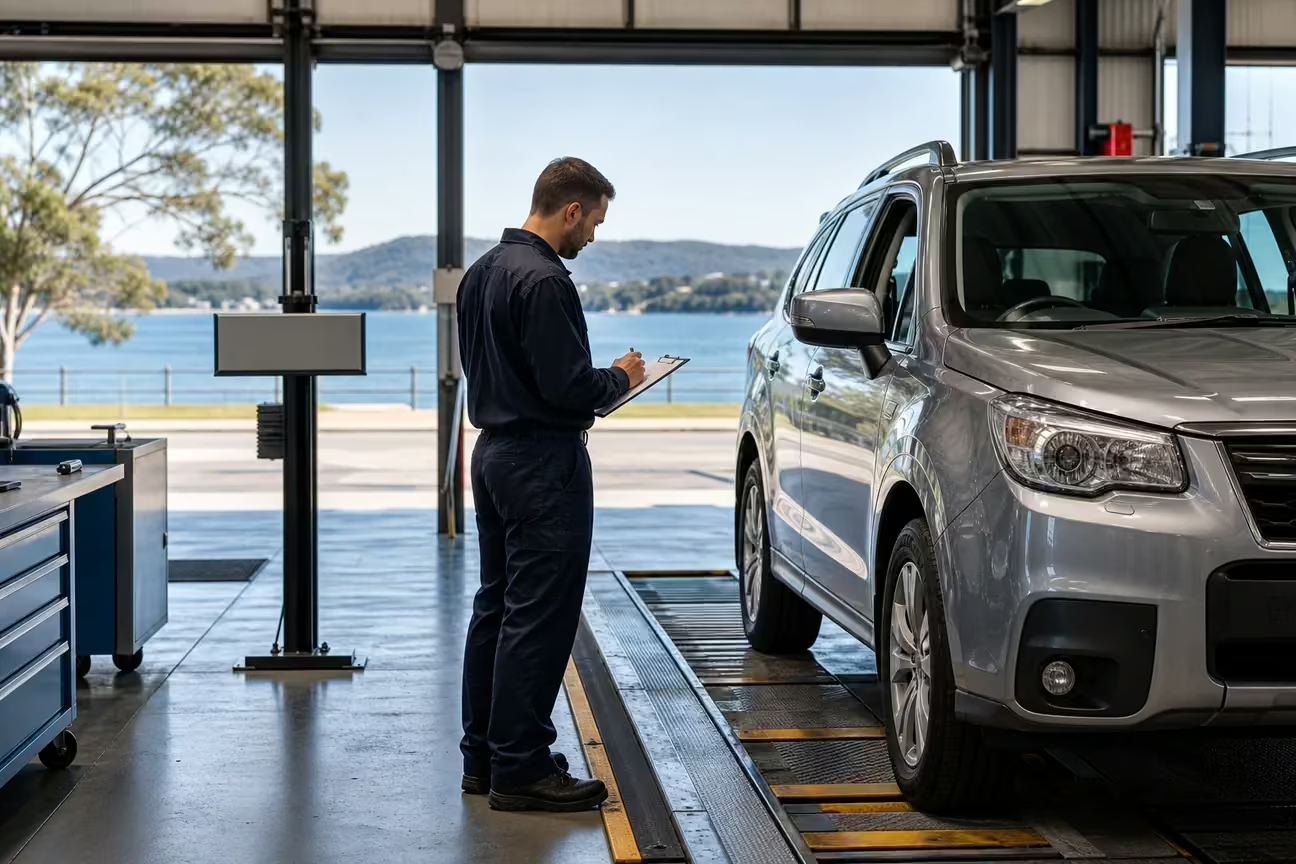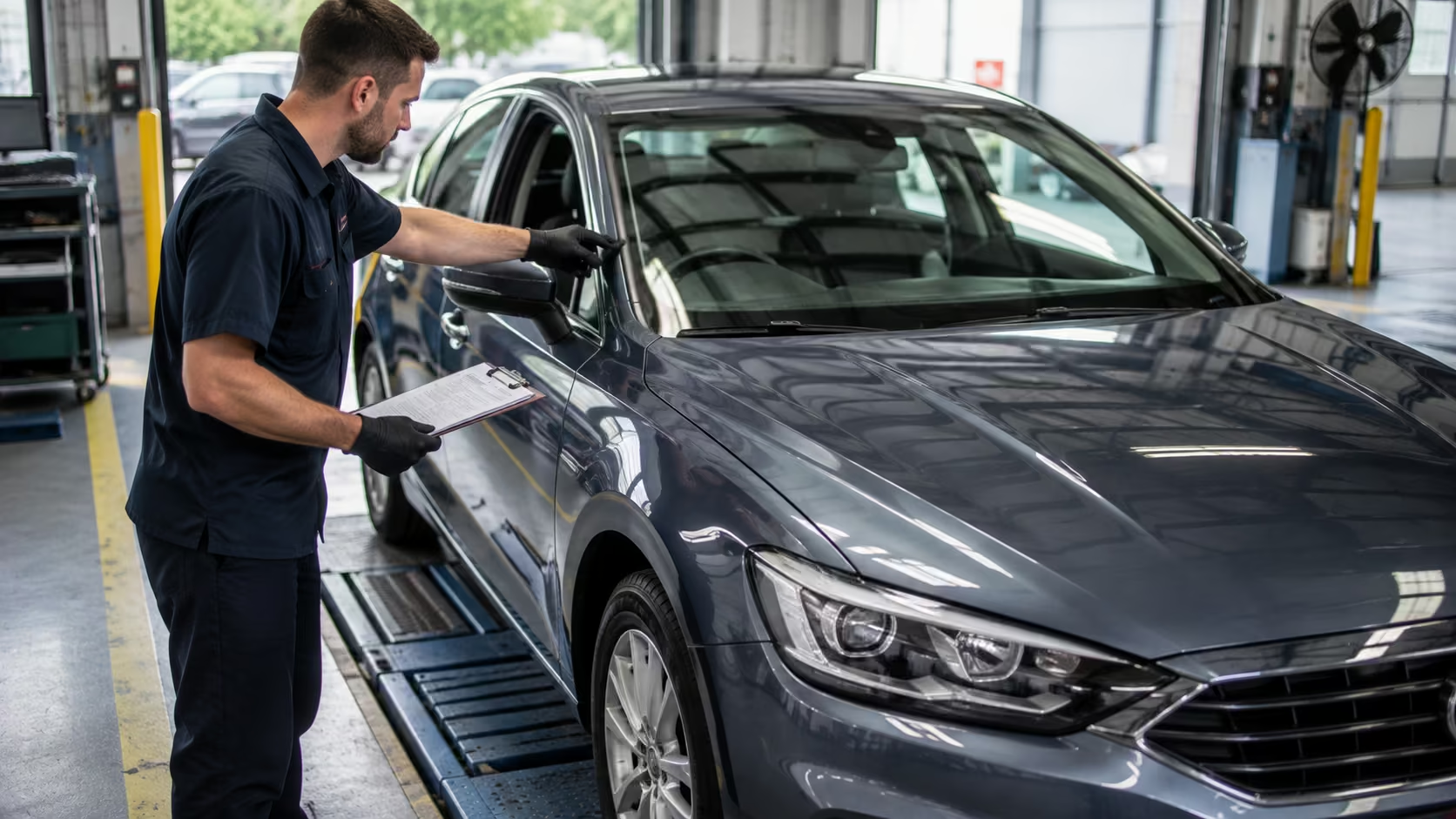
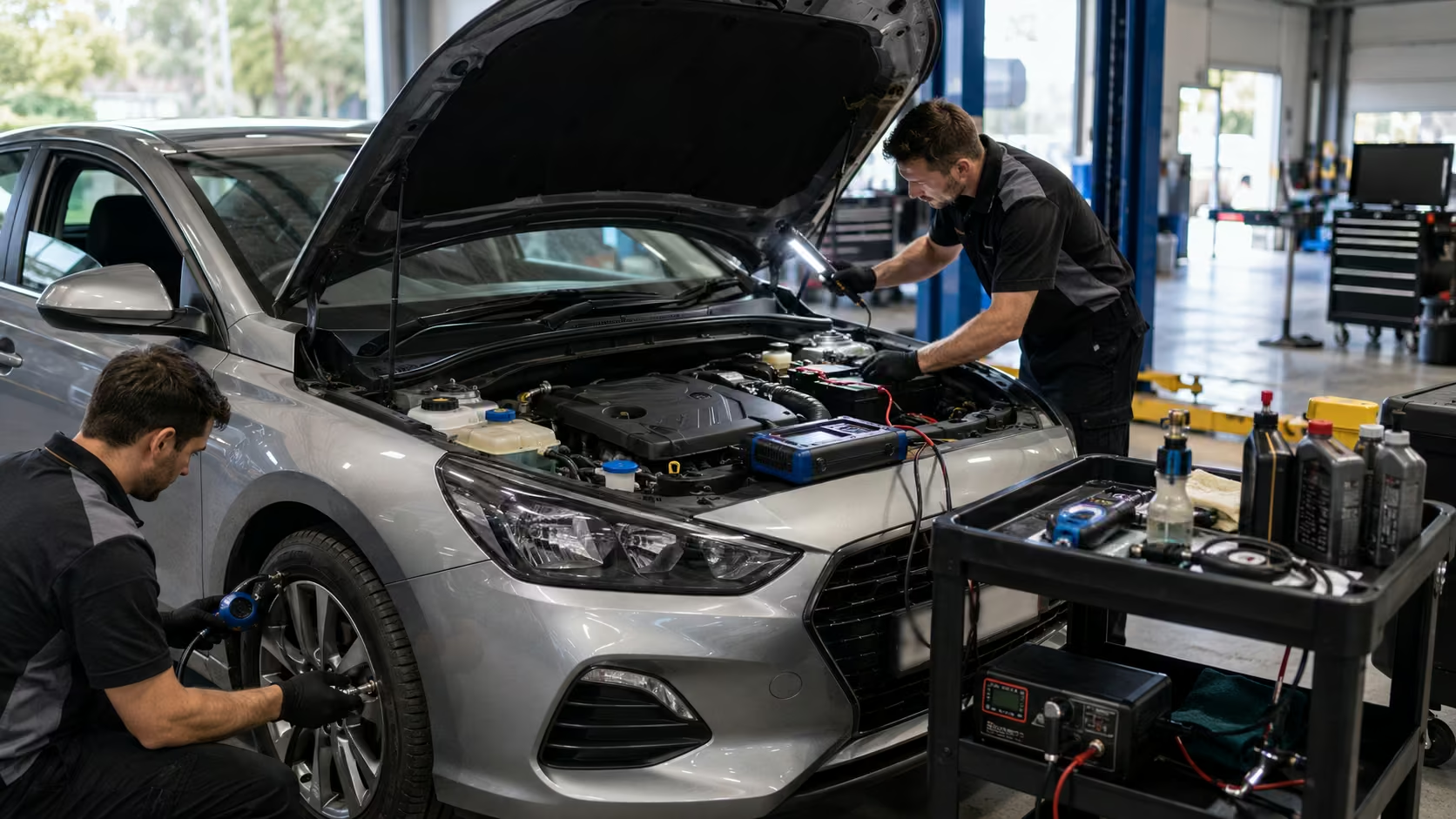
Before a car that has been sitting for months takes its first real drive, five things need to be checked. The battery, the tyres, the fuel, the brakes and the fluids. In NSW there is a sixth: if the registration has been out for more than three months the car needs to get a blue slip inspection before it can be re-registered.
Cars are meant to be driven, and they get kind of weird when they’re not. Seals dry up, fuel goes off, batteries self-discharge, and small animals find engine bays are great real estate. Whether the car sat through a deployment, a long trip, an illness or just life getting in the way, here is what to look at before turning the key with intent.
Call Now
The Battery Rarely Survives Months of Sitting
Every modern car draws a small current permanently to keep the alarms, computers and memories alive, and over a few months that trickle of current will drain the battery completely. A jump start will normally wake the car up, but a battery left flat for a long time is often damaged by the experience, holding less charge than before and failing sooner, usually on a cold morning some weeks later.
The better sequence is a proper charge on a charger before the first start, then a load test to see if the battery is really worth keeping. While you’re there, look at the terminals. Corrosion loves a car that’s sitting still, and a fuzzy white or green buildup on the posts causes the kind of intermittent electrical weirdness that wastes diagnostic time later on.
Tyres Lose Pressure and Develop Flat Spots
Even healthy tires lose air slowly, about one PSI a month, so a car that sits for half a year is sitting on seriously under-inflated rubber. * Even worse, if the tyres are standing still with a load on them for months, they develop flat spots where they contact the ground. The mild ones are announced by a vibration that vanishes in the first few kilometres of driving. Severe ones, especially on older tires, can be permanent.
Before you drive anywhere, bring all four up to placard pressure, and check the sidewalls for cracking, because rubber ages by time, regardless of tread depth. A lot of tread on a tyre can be perished and perished rubber at highway speed is not a risk worth taking to save a morning.
Stale Fuel and What Months in the Tank Do
Petrol is not shelf-stable. It starts to oxidise and lose its lighter compounds in a few months. Ethanol blends go downhill faster because ethanol pulls moisture out of the air. This results in a poor igniting fuel : hard starting , rough idle , hesitation , and in bad cases varnish deposits working their way through the fuel system . Diesel also has its own long stay problem as moisture and time invite microbial growth in the tank.
What to do is dictated by how long and how full. A tank full of fuel, and sat for three or four months will usually run fine. Especially if you have fresh fuel at the first fill. A quarter tank that sat for a year is something you want more caution over. If the engine runs poorly after the restart, old fuel is the first suspect instead of something more sinister.
Brakes Seize Quietly While a Car Sits
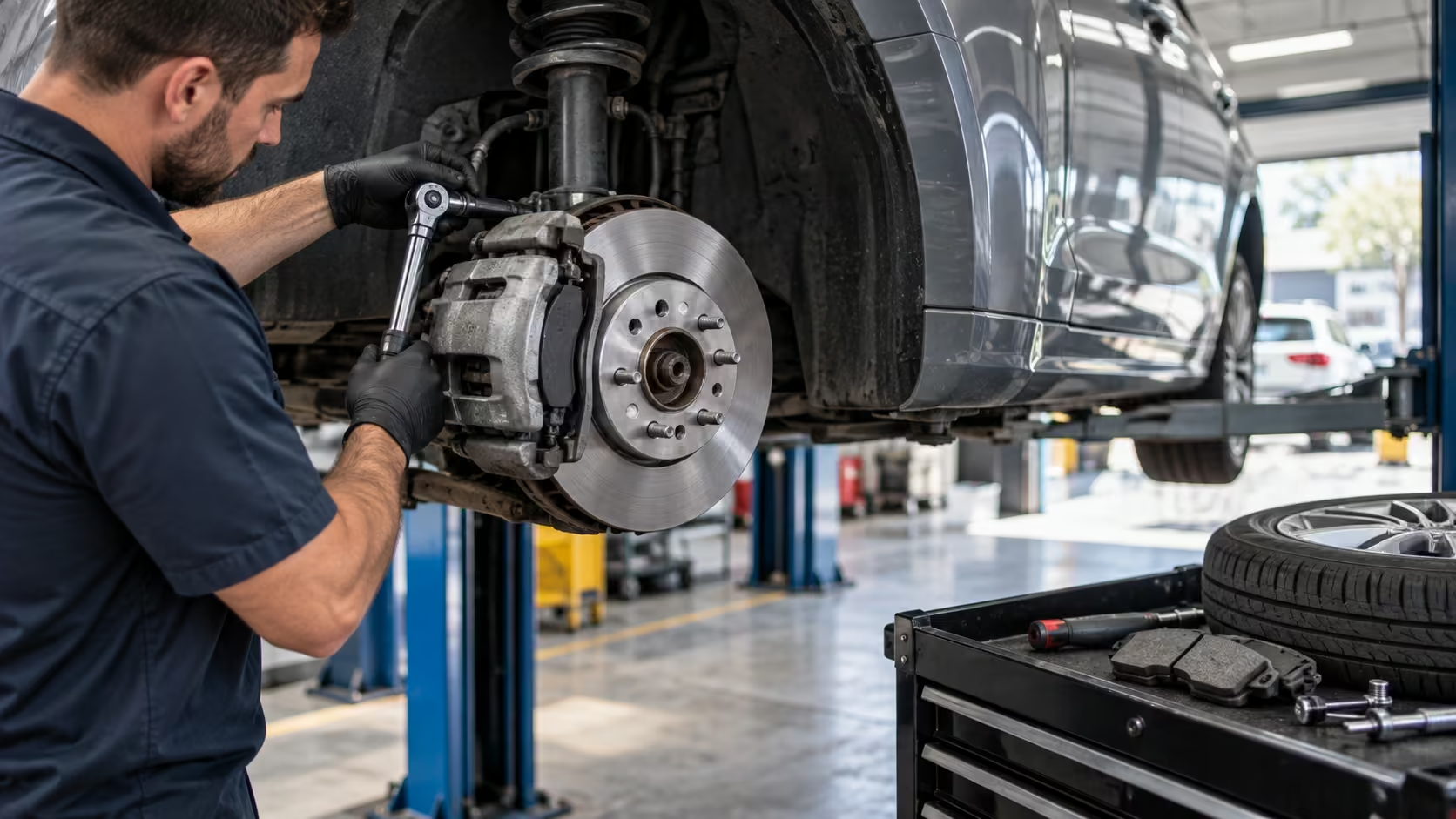
Ease into the conversation about the driveway because they find it more difficult to sit than to drive. A light film of surface rust on the discs is perfectly normal after storage and scrubs off with the first few careful stops. The point is that anything that moves can matter: calliper slides can seize, and if you leave your handbrake on for months the mechanism can sieze or the friction faces can bond, which is why a stored car sometimes just refuses to roll.
First drive, try the brakes a couple of times at low speed and pay attention. If you feel a pull to one side, a grind that remains after the surface rust is removed, or a pedal that feels different than you remember, it is best to have the system inspected rather than forcing it to work.
Fluids Rubber and the Rodent Inspection
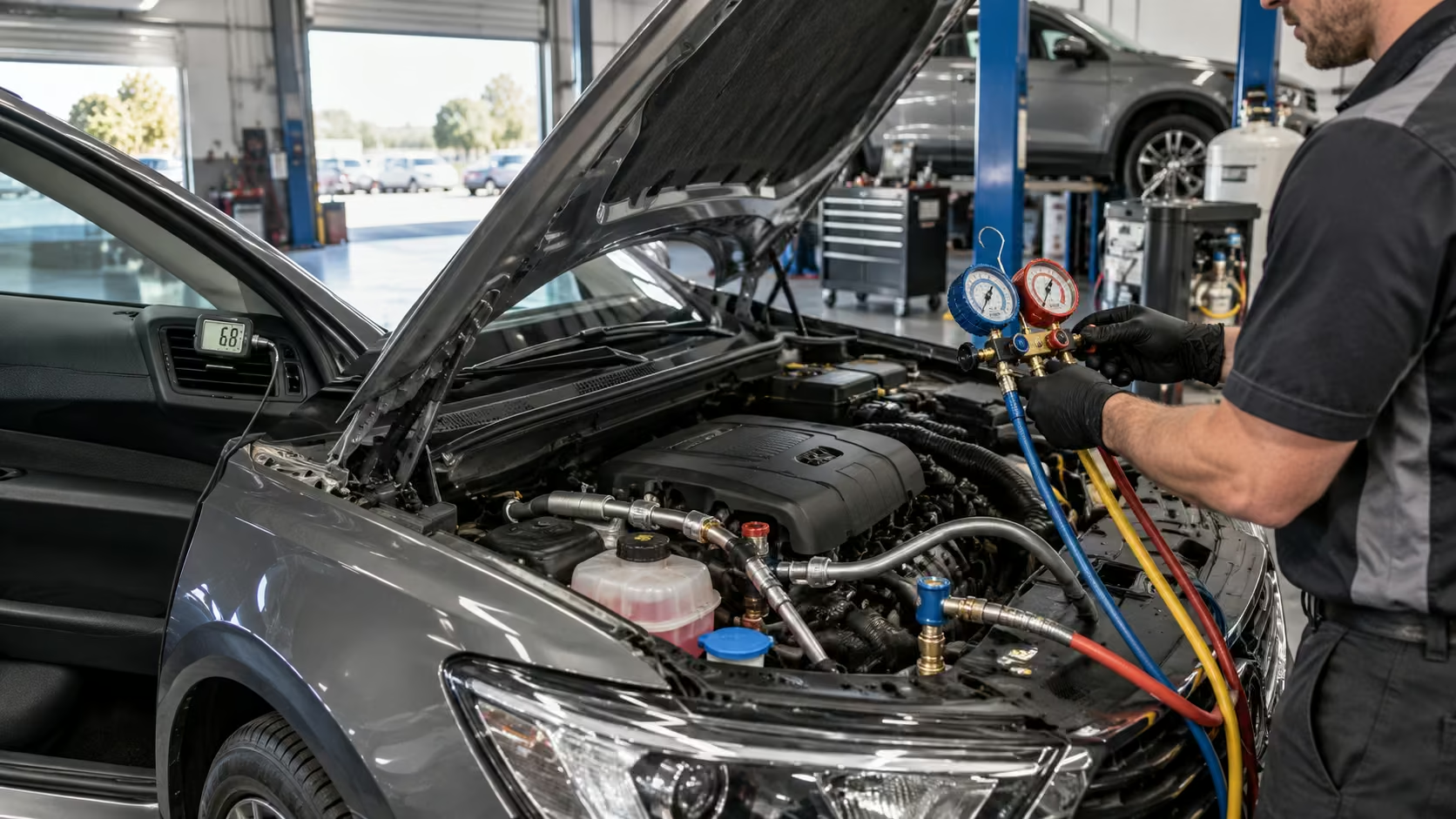
Check the oil level before you start and check under the filler cap. A milky residue indicates moisture that has been condensing inside the engine, common on stored cars, and worth a service rather than a shrug. Check the coolant level. Also, brake fluid absorbs moisture from the air over time, whether the car is moving or not, so a car stored beyond its brake fluid interval is due regardless of kilometres.
Then do the inspection that no one thinks of until it costs them. Look for animal evidence. Rodents love to gnaw through wiring looms, build nests in airboxes and hide food in the most unlikely corners of an engine bay. Droppings, shredded material or chewed insulation anywhere under the bonnet means a slower, more thorough look before the first start. A chewed loom can range from a warning light to a fire risk.
Rego Lapsed in NSW When a Blue Slip Enters the Picture
Paperwork checks are as important as mechanical checks. If registration has been expired for more than three months, it cannot be renewed in NSW. The car is considered unregistered and must be inspected as an unregistered vehicle to ensure that it is safe and eligible to return to the road. It catches out plenty of people who parked a car intending a short break and looked up a year later. So before planning the first drive check the rego expiry date first, because if it lapsed long enough ago, that first drive legally can not happen yet.
Keep the First Drive Short and Local
When everything looks good, don’t run out into the highway and celebrate. Make the first drive short, local and gentle, allowing the tyres to round out, the brake surfaces to clean up and the engine to circulate fresh through everything. Talk less, listen more. A parked car will tell you in a few suburban kilometres if anything needs attention and it is far better to hear it two streets from home.
One Inspection Instead of Six Guesses
All of the above checks can be done in a driveway and one workshop visit does them all in one hit. Battery tested, brakes freed and checked, fluids assessed, fuel judged and blue slip sorted if rego has lapsed. If the honest answer is that the car only needs a charged battery and a tank of fresh fuel, that is the only answer you will get before the first real drive, take the car directly to A to Z Automotive Services.
Frequently Asked Questions
Can I just jump start it and drive off?
You can, but a jump start only solves the flat battery, and a battery that went flat sitting still may not recover from a drive alone. It also skips every other check on this list, and the tyres, brakes and fuel do not care that the engine is now running.
How long can petrol sit in a tank before it goes off?
Petrol starts degrading within a few months, and ethanol blends fade faster because they attract moisture. A car that sat for six months or more is a genuine candidate for stale fuel symptoms, especially if the tank was low when it was parked.
Does the oil need changing even though the car barely moved?
Often yes. Oil ages by time as well as kilometres, absorbing moisture and losing its additives while it sits. If the car was already close to a service by date when it was parked, the sensible move is to service it before asking much of it.
Is it bad to leave the handbrake on while a car is stored?
For long stays, yes. Handbrake mechanisms and rear brake surfaces can seize together over months, and a stuck handbrake is one of the most common problems on cars coming out of storage. Chocking the wheels and leaving the handbrake off is the better long stay approach.