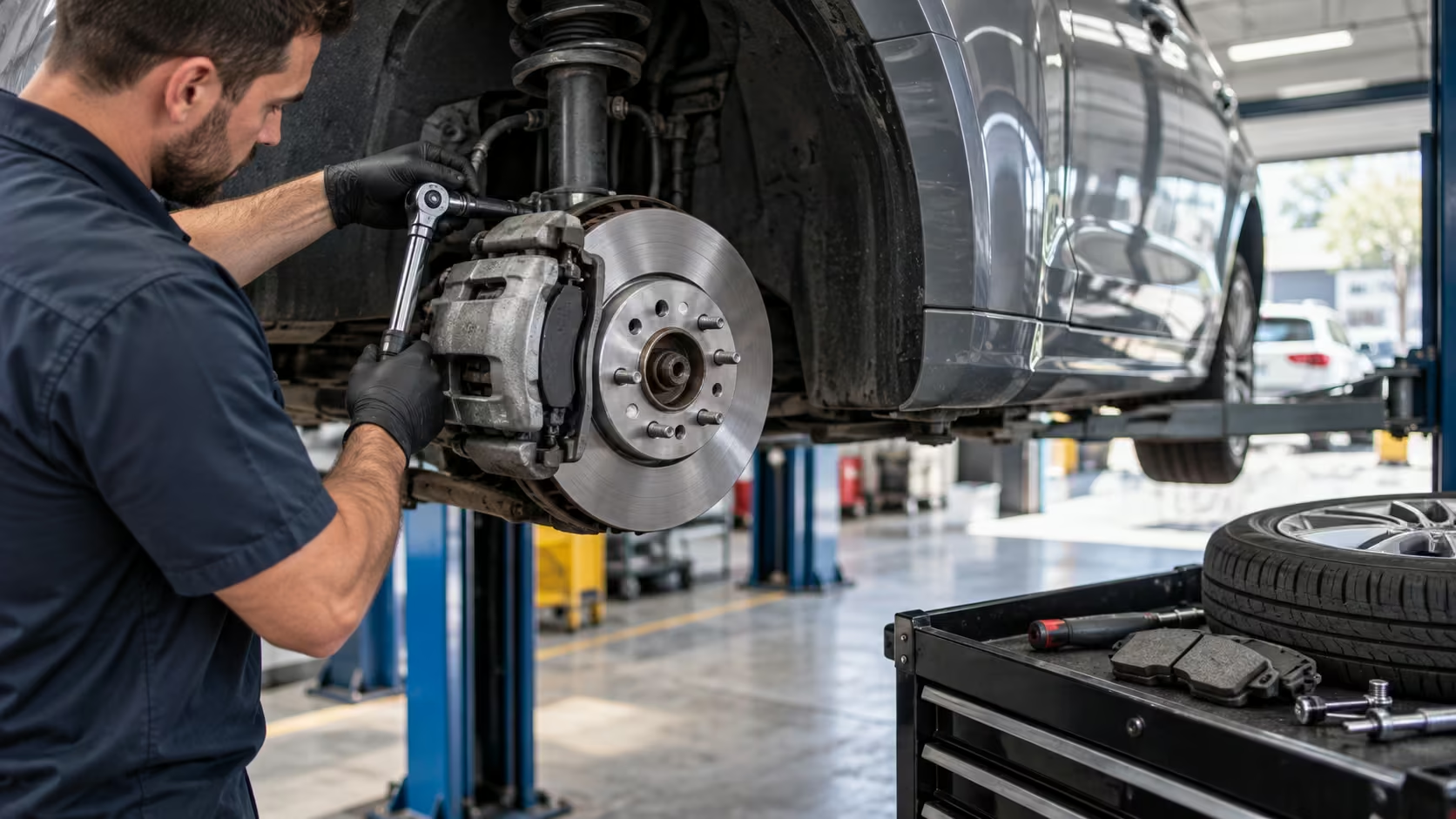
Brake pad replacement in Australia typically costs between $150 and $350 per axle for pads alone. If your rotors need replacing at the same time, expect to pay $300 to $800 or more per axle depending on what you drive. European cars like BMW, Audi, and Mercedes will always sit at the higher end.
We replace brake pads and rotors every single day at our workshop in Cardiff, Newcastle, on everything from daily-driven Hyundais to performance BMWs. Here is an honest breakdown of what this job actually costs and what goes into the price.
Call Now
How Much Does Brake Pad Replacement Cost in Australia?
The cost comes down to whether you are replacing pads only or pads and rotors together, and whether it is the front, rear, or all four corners.
Here is a general guide:
| Job | Typical Cost (AUD) |
| Front brake pads only | $150 to $350 |
| Rear brake pads only | $130 to $300 |
| Front pads + rotors | $350 to $700 |
| Rear pads + rotors | $300 to $600 |
| All four corners (pads + rotors) | $600 to $1,200+ |
Front brakes usually cost a little more than rear ones. That’s because the front brakes do about 60 to 70 percent of the stopping work, so they have bigger pads and rotors.
The main things that affect the price are the type of car you drive, the quality of parts used (budget aftermarket vs quality branded vs genuine) and the labour rates in your area. But on a Mazda 3 it’s a quick job to do a simple pad swap. Big rotors and electronic parking brake callipers on an Audi Q7 – a full brake job takes a lot longer.
Brake Pad and Rotor Replacement Cost by Car Brand
Not all brake jobs are created equal. Here is a rough guide by brand for a front pads and rotors replacement:
| Car Brand | Front Pads + Rotors (AUD) |
| Toyota / Mazda / Hyundai / Kia | $350 to $550 |
| Subaru | $400 to $600 |
| Volkswagen / Audi | $450 to $700 |
| BMW / Mercedes-Benz | $500 to $800+ |
| Porsche | $700 to $1,200+ |
Here are a few reasons why European cars tend to cost more. The rotors are often bigger and heavier. The pad compounds are a higher spec for the performance these cars are made for. And on newer European models you can’t even remove the rear pads until you wind back the electronic parking brake calliper with a diagnostic tool. This requires time and the right equipment.
That is why it is a difference to go to a specialist workshop for a European car. We have the diagnostic tools and experience to do these jobs efficiently and keeping the labour cost fair.
How Do You Know When Your Brake Pads Need Replacing?
Most brake pads last somewhere between 30,000 and 70,000 km, but that depends heavily on how you drive, where you drive, and what pads were fitted last time. City driving with lots of stop-start traffic wears pads faster than highway cruising.
Here are the signs your pads are getting low:
Squealing or high-pitched noise when braking. Most pads have a small metal wear indicator that touches the rotor when the pad is nearly worn out. That squealing sound is the warning doing its job.
Grinding or metallic scraping. If you hear grinding, the pads are completely worn and metal is contacting metal. At that point you are damaging the rotors with every stop, which turns a pad replacement into a pad and rotor replacement.
Longer stopping distances. If the car takes noticeably longer to come to a stop, worn pads are a likely cause.
Brake pedal feels soft or spongy. This can also indicate a brake fluid issue, but worn pads can contribute to a change in pedal feel.
Car pulls to one side when braking. This can mean uneven pad wear or a sticking caliper.
If you are handy, you can do a visual check. Look through the wheel spokes at the brake caliper. If the pad material is less than 3mm thick, it is time for a replacement.
Should You Replace Rotors at the Same Time as Brake Pads?
Not always, but more often than you might think.
“Rotors wear out just like pads do,” said McGowan. Every time you brake, a little bit of material is removed from the pad and rotor surface. Putting new pads on old rotors is a waste if the rotors are scored (you can see grooves), warped (you can feel a pulsation through the brake pedal), or worn below the manufacturer’s minimum thickness. The new pads won’t bed in properly and will wear unevenly.
Good mechanics will measure thickness of your rotor with a micrometre and check for runout (warping) before recommending anything. If the rotors are still within spec and the surface is smooth all you need is a simple pad replacement. If they are not then replacing both at the same time saves you money on labour as the wheel and calliper are already off.
“We’re always upfront with our customers.” We will let you know if your rotors have life left in them. We’d rather earn your trust than pad the bill.
Get Your Brakes Checked Before They Wear the Rotors
If you’re hearing squealing, feeling vibration through the brake pedal or you’re simply due for new brake pads, A to Z Automotive Services in Cardiff, Newcastle can inspect your brakes, measure rotor thickness and explain whether you need pads only or pads and rotors together. We only recommend replacing parts that are genuinely worn.
Frequently Asked Questions
How much does it cost to replace brake pads and rotors in Australia?
Replacing brake pads and rotors together typically costs $300 to $800 per axle in Australia. The exact price depends on your vehicle, with European cars sitting at the higher end due to larger components and more involved labour.
Should I replace all four brake pads at once?
Not necessarily. Brakes should be replaced in pairs, both fronts or both rears, to maintain even braking. You only need to do all four corners if both axles are worn. Your mechanic can check all four and advise which ones actually need doing.
How long do brake pads last?
Most brake pads last between 30,000 and 70,000 km. City driving with frequent braking wears pads faster than highway driving. Your driving style, vehicle weight, and the quality of the pads fitted all affect lifespan.
What are signs my brake pads need replacing?
The most common signs are a squealing or grinding noise when braking, longer stopping distances, a soft or spongy brake pedal, or the car pulling to one side under braking. If you can see the pads through the wheel and the material is thinner than 3mm, they need replacing.