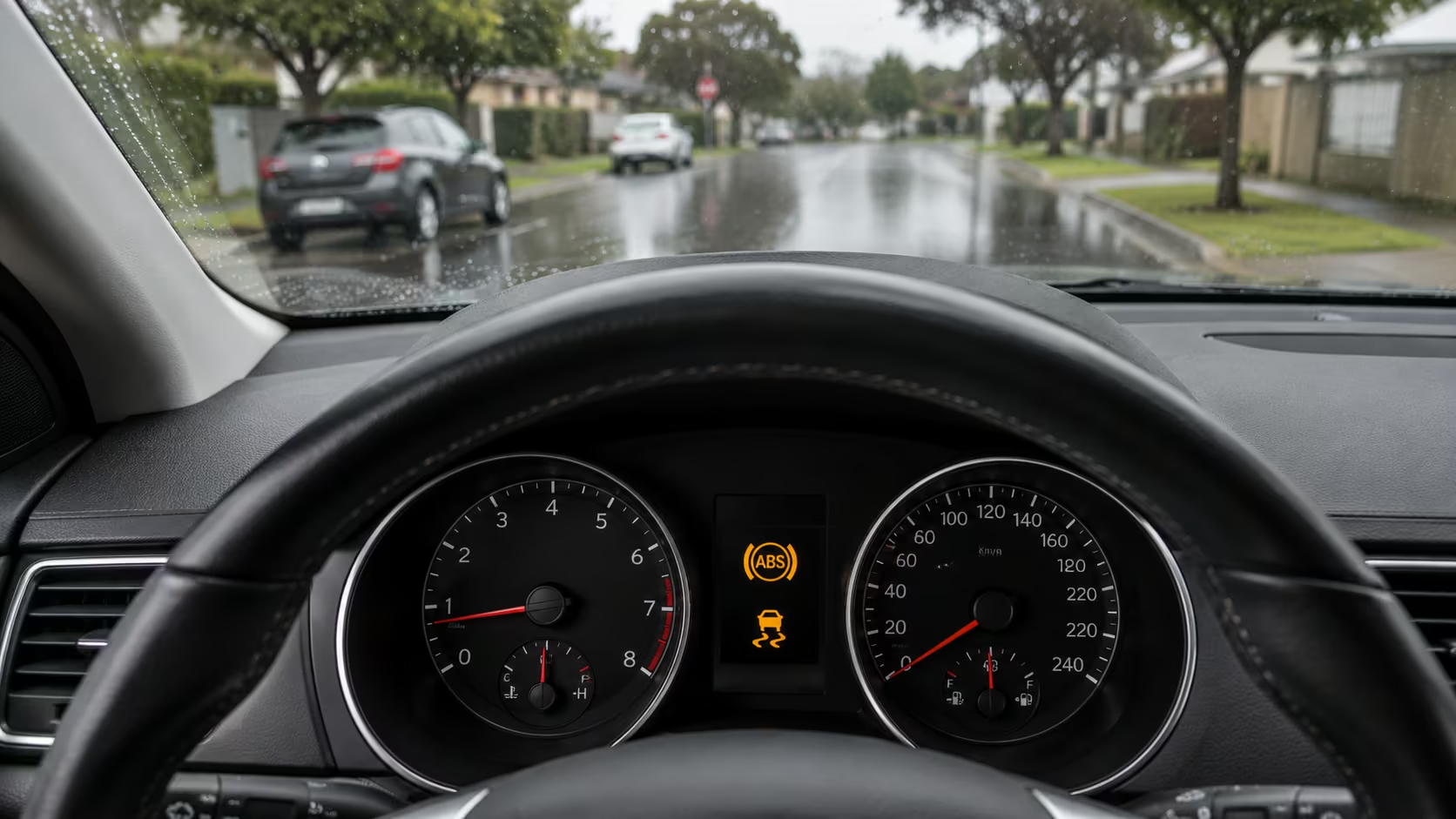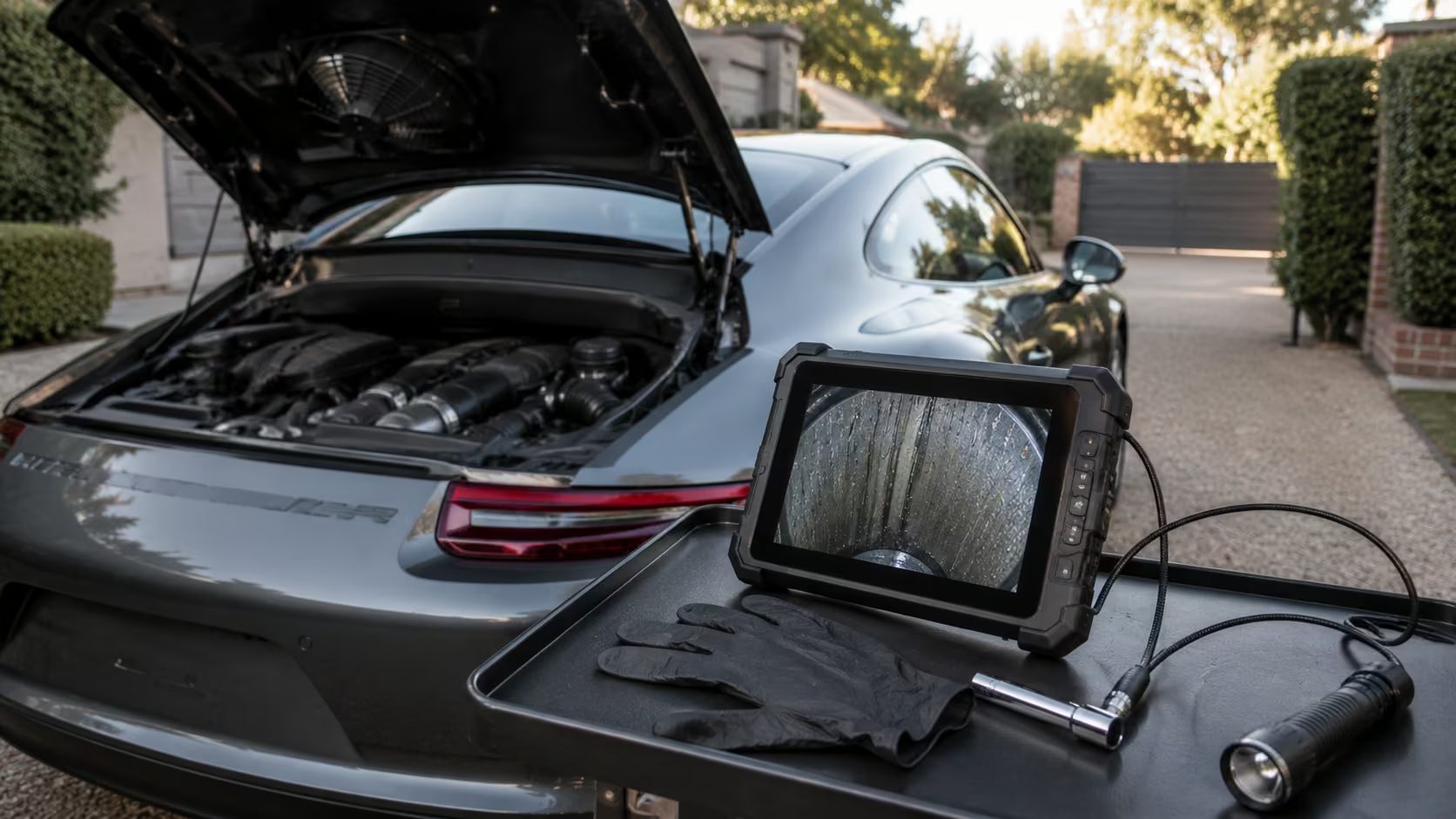
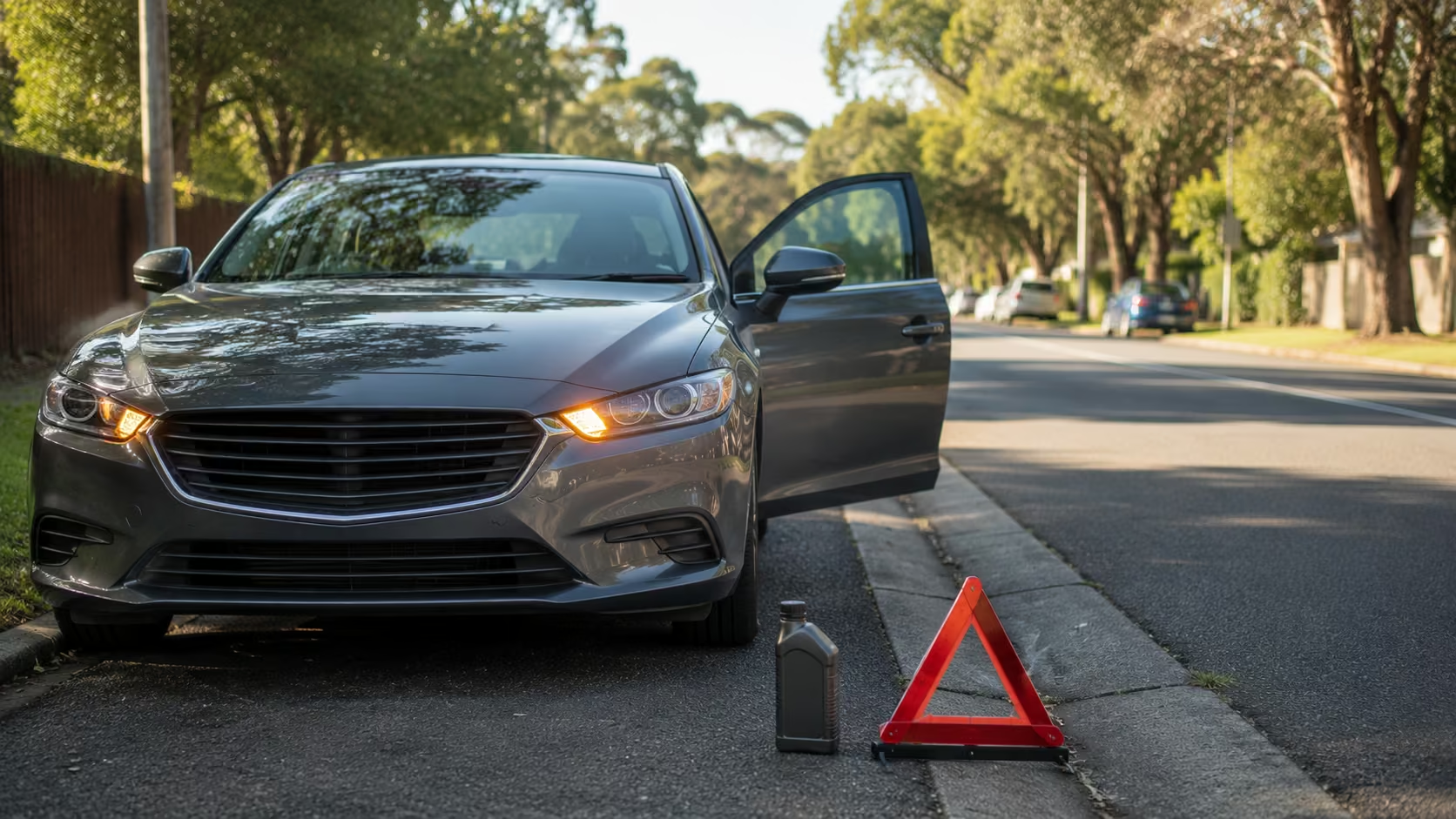
A red oil pressure light means the engine has lost oil pressure right now, and the only correct response is to pull over safely and switch off promptly. It is a pressure warning, not a level reminder. Check the oil level once stopped, and if the light returns after topping up, the car needs a tow, not a drive.
Dashboard warnings come in ranks, and this one outranks nearly everything. Most lights are the car scheduling a conversation. The red oil can is the car declaring an emergency in progress, because an engine without oil pressure is metal grinding on metal at thousands of revolutions a minute, and the damage bill grows by the second, not by the kilometre. Here is what the light actually means and exactly what to do in the minutes after it appears.
Pressure Not Level and Why the Difference Matters
The most dangerous misunderstanding in motoring might be reading this light as a gentle low oil reminder. The switch behind it does not measure how much oil the engine holds. It measures whether oil is being pushed through the engine’s passages under pressure at this moment, and it stays silent until that pressure collapses. By the time it glows, the protective film between the moving parts is failing.
Low level is certainly one way to lose pressure, which is why the dipstick features shortly, but the light itself is reporting the loss, not the cause. Modern cars muddy the water with separate amber oil level messages and service reminders, polite calendar items that owners learn to postpone. The red pressure warning is not in that family, and treating it like a reminder is how engines die on the way to somewhere convenient.
The First Five Minutes Off the Road
Signal, pull over where it is genuinely safe, and switch the engine off without hunting for a better spot. Every additional second running without pressure spends bearing material you cannot buy back cheaply, and no destination five minutes away is worth what those five minutes can cost. Hazard lights on, breathe, and let the engine sit a minute before touching anything hot.
Then the dipstick, because low level is the one cause you can act on at the roadside. Oil low or absent from the stick means the engine ran itself down to the warning, top it up if oil is available, and note the lesson for later, because that oil went somewhere. If the level reads correct and the light still comes with the restart, the problem lives deeper, and the roadside portion of this story is over.
Why an Engine Loses Pressure
Behind a genuine warning sits a short list. Low level from consumption or a leak is the everyday cause. The oil pump can wear or fail, the pickup screen that feeds it can blank off with sludge, especially in engines with a patchy service past, and a pressure relief valve can stick. At the far end sit worn bearings themselves: clearances grown too generous with age hold pressure poorly when the oil is hot and thin, which is why elderly engines often whisper their warning first as a flicker at hot idle.
That flickering deserves its own sentence, because owners love to negotiate with it. A light that blinks at hot idle and clears when revs rise is marginal pressure announcing itself early, the most valuable version of this warning you will ever receive. Investigated that week, it is often a manageable repair. Ignored until the light holds steady, it graduates into the expensive chapters of this list.
The Sensor Question and the Tow Decision
Yes, the sender unit and its wiring can fail and cry wolf, and everyone who has met this light is hoping for exactly that ending. Sometimes they get it. The trap is that a dashboard cannot distinguish a lying sensor from a dying engine, and only one of those forgives a wrong guess. The stakes are so lopsided that the rule writes itself: the light is telling the truth until a mechanical gauge screwed into the engine proves otherwise.
So the tow decision is simple. Level correct and the light persists, tow it. Level was low, topped up, and the light returns anyway, tow it. The pressure test that settles the question is quick work on a hoist, and it converts the situation from hope into a number: either a healthy engine with a cheap sensor fault, or a genuine pressure problem caught before it finished the job. Both of those endings beat the third one, which is the engine that got driven hopeful and arrived as scrap.
When the Red Light Finds You
A to Z Automotive Services treats an oil pressure light as the emergency it is: pressure measured mechanically first, verdict delivered straight, and the tow organised rather than the gamble encouraged whenever that is the honest call. And if the measurement clears the engine and convicts a twenty dollar sender, you will hear that with the relief it deserves, because the best outcome of this light is the one where stopping quickly meant nothing was harmed at all.
Frequently Asked Questions
Can I drive the five minutes home with the oil light on?
No, and this is the one light where that answer has no flexibility. Bearings can be damaged in less time than that drive takes. Stop where it is safe, switch off, and work the problem stationary. Home is not worth an engine.
The light came on, I topped up the oil, and it went out. Am I fine now?
You are out of immediate danger, not finished. The engine got low enough to lose pressure, and the missing oil went somewhere, burnt, leaked or unnoticed for too long. Finding out which is the follow up that protects the engine next month.
What is the difference between the red oil light and an oil service message?
The service message is the calendar talking, maintenance is due. The red pressure light is the engine talking, protection has been lost right now. One books a service. The other stops the car.
Could it just be a faulty sensor?
It genuinely can be, sensors and their wiring fail, and plenty of oil light dramas end as a cheap sender unit. The problem is that the dashboard cannot tell you which story you are in, and the wrong guess destroys the engine. Treat it as real until pressure has actually been measured.