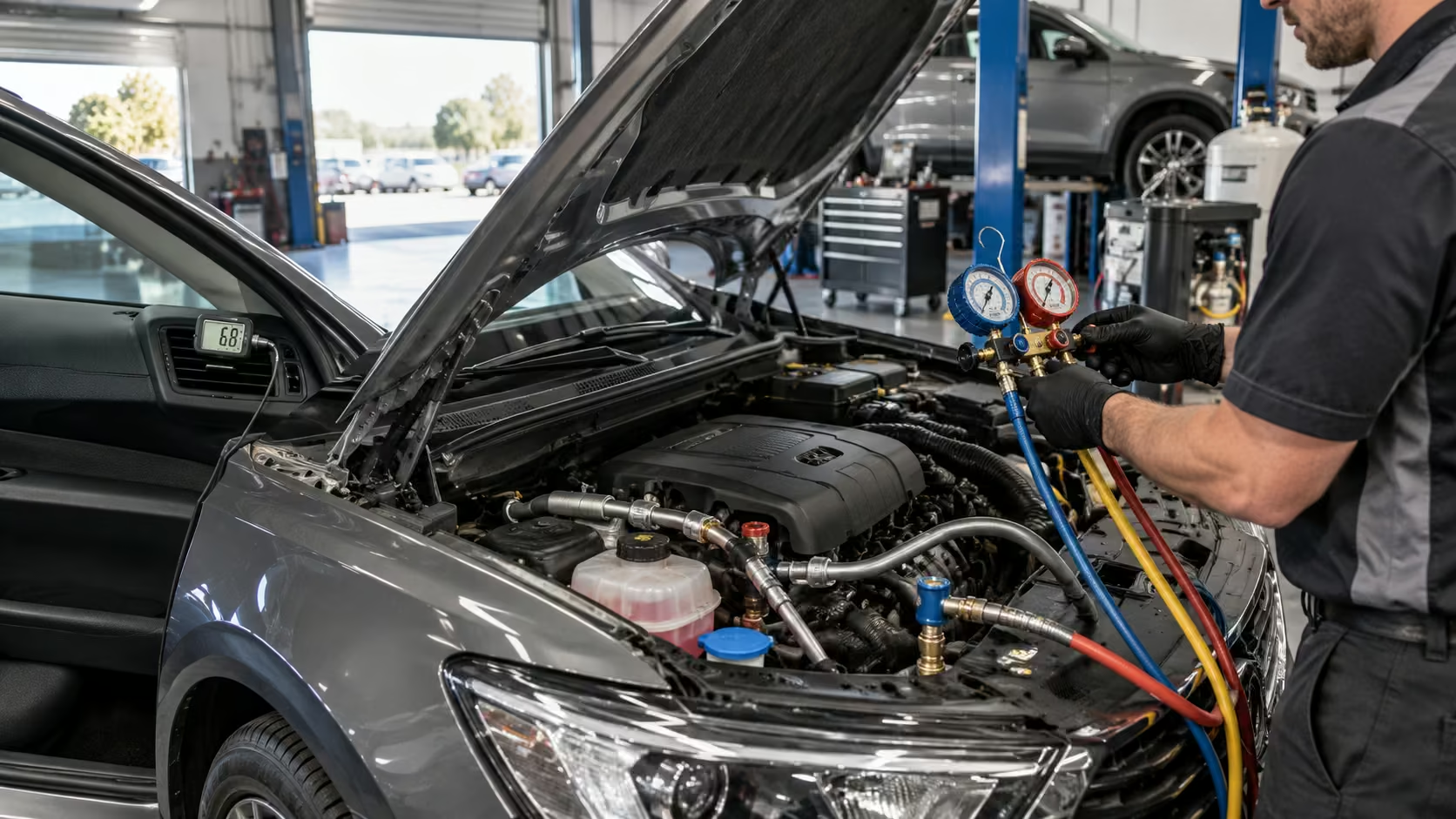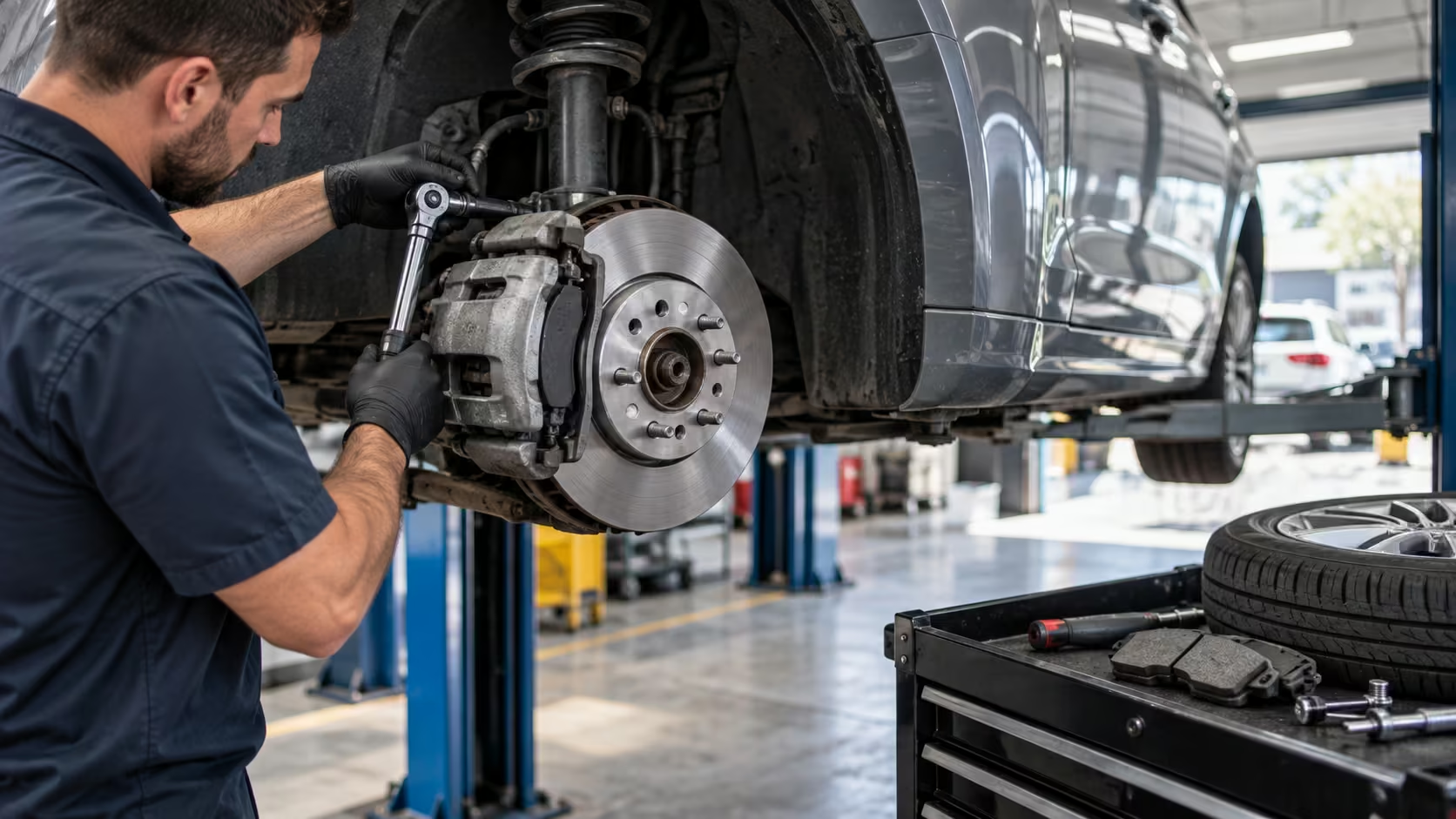

It is rare for one emergency top up of the wrong engine oil to cause lasting damage. Now, doing thousands of kilometres on the wrong oil, that’s another story. Accelerated wear at cold start, sluggish variable valve timing, a slowly blocking diesel particulate filter, and on some engines, a warranty dispute waiting to happen.
Oil is the one thing every engine gets all the time and the one thing very few people think about until something goes wrong. The problem is bad oil doesn’t announce itself. There’s no warning light for it. No noise on day one. The damage is done quietly, spread over months. And that is why it is worth understanding before the top up, not after.
Call Now
What the Numbers on an Oil Bottle Actually Mean
Take a 5W-30 as the example. The number before the W, which stands for winter, describes how easily the oil flows when cold. The lower it is, the faster the oil moves on a cold morning. The number after describes the oil’s thickness once the engine is at full operating temperature. Two numbers, two jobs: get around the engine quickly when everything is cold and tight, then hold a protective film between metal surfaces once everything is hot and expanded.
Engines are designed around those numbers with real precision. Oil passages, pump pressure, the tiny hydraulic mechanisms that adjust valve timing, the tensioner keeping the timing chain honest, all of them assume oil of a particular thickness arriving at a particular rate. Change the oil, and every one of those assumptions is quietly wrong.
Wrong Viscosity What Too Thick or Too Thin Actually Does
Thick oil hurts the engine when it starts up. The majority of engine wear doesn’t occur cruising down the highway; it occurs in the first few seconds after a cold start, while the oil is still making its way up to the top of the engine. Thicker oil rises slower. Each cold morning adds a few more seconds of metal on metal protected by the residue of yesterday, and those seconds compound over years. Thick oil can also make the hydraulics lazy, with variable valve timing responding late and chain tensioners taking longer to firm up; this is often audible as a rattle in the first seconds after start.
At the other end of the day it is too thin to fail. At full operating temperature, the protective film of a thin oil can be too fragile for the loads the engine puts through it and the safety margin between moving parts shrinks toward zero. The signs are subtle: oil consumption creeping up between services, a flickering pressure light at hot idle, and wear arriving years ahead of schedule. Neither direction shouts its identity. Both will send the bill later.
Manufacturer Approvals Matter More Than the Grade
Here’s what the oil aisle doesn’t tell you. Viscosity is just one property of an oil . Both bottles can say 5W-30 and be truly different products . The additive package, the ash content, the detergents, the friction modifiers – it’s all different and manufacturers formalise what their engines need through approval codes. VW 504.00 and 507.00, BMW Longlife-04, MB 229.51 and so on. From there, the viscosity pretty much takes care of itself. The right bottle for a modern European car is the one with the right code on the back label.
The single most common wrong oil mistake we come across isn’t someone pouring gear oil into an engine, but someone matching the viscosity and ignoring the approval. On a variable service interval car, the difference is not academic. Those long stretches are figured on the chemistry of the approved oil. A generic oil run over the same distance is being asked to do a job it was never blended for.
The Wrong Oil Quietly Blocks Diesel Particulate Filters
Diesel owners have another reason to care, and it’s in the exhaust. Modern diesel oils are low SAPS, meaning low in sulphated ash, phosphorous and sulphur that survive combustion. This is important as a little oil is always burning and the ash it produces is permanently trapped in the particulate filter. Regeneration burns off soot but ash remains in the filter forever and slowly takes up space, that is why the ash content of your oil directly determines how long that filter lives.
A DPF diesel can run on a full tank of ash oil for months without anything dramatic happening. The filter simply fills up years early, the regenerations occur more and more frequently and then the car encounters a repair bill that dates all the way back to a bottle of oil that technically had the right viscosity on the front.
Wet Belt Engines Where Oil Choice Is Critical
A newer breed of engines ups the ante even more. Several manufacturers, most famously with the PureTech petrol engines in Peugeots and Citroens, run the timing belt inside the engine, immersed in oil, rather than outside it. The belt material is designed to live in one specific oil chemistry. Feed it something else, and the oil itself starts attacking the belt. Softening it, shedding bits into the very oil passages the engine depends on.
On these engines, the wrong oil is not a slow wear story it is a countdown to a failed belt and everything a failed timing belt implies. If you have one, you don’t have to weigh up the approved specification. It’s the price of keeping the engine alive and a big part of why these cars belong in workshops who know exactly what oil goes in them.
Topped Up With the Wrong Oil Once Here Is the Honest Answer
Breathe if you got the wrong bottle at a servo because the level was low and home was a long way away. A litre of the wrong viscosity diluted into several litres of the right oil is survivable for pretty much any engine and topping up was still the better call than driving low. The internet loves to catastrophise this moment, and the catastrophising is largely wrong.
What that top up buys you is time, not a fix. Especially on a DPF diesel or a wet belt engine where chemistry really matters, don’t let the mixed oil go a full service interval. Get an oil change when the next opportunity arises, tell them what went in, and the episode ends there. The owners who are hurt aren’t the ones who filled up with the wrong oil once; they’re the ones who never knew the difference existed and ran the wrong oil for years.
Wrong Oil and Your New Car Warranty
If a car is under manufacturer warranty then the oil that goes in to it is part of the paper trail. If a service is carried out at the correct time with the correct approved oil and stamped as per your handbook your warranty position remains clean regardless of who carries it out. Doing a service with whatever was on special does the opposite, and if an engine or emissions fault develops later, the oil record is one of the first places a manufacturer looks to find a reason to argue. It’s a cheap box to tick, and an expensive one to have unticked.
The Right Oil Is a Detail Worth Getting Right
There are plenty of shops that have one bulk drum and put it in anything that walks through the door. A to Z Automotive Services carries the approval your engine was actually built around and matches it, a VW spec oil for one car, a low ash formulation for the diesel after that, a wet belt safe oil for the Peugeot after that, because the difference between those bottles is the difference between an engine ageing gracefully and an engine ageing fast. If you’re not sure what’s been going into yours, ask us to take a look at the next service. It’s a two-minute conversation that can add years to an engine.
Frequently Asked Questions
Can I mix different brands of engine oil?
Brand matters far less than people think. Two oils meeting the same specification can be mixed without drama, and in a top up situation the specification match is the thing to check, not the label. What you should not mix is oils built to different specifications, particularly full ash and low ash types in a diesel.
Is thicker oil better for an older engine?
Sometimes, and deliberately. On a high kilometre engine with widened clearances and a thirst for oil, stepping up slightly in viscosity is a legitimate judgement call. The key word is deliberate. It should be a decision made knowing the engine’s condition, not a default because thicker sounds tougher.
How do I find out which oil my car actually needs?
The owner’s handbook lists both the viscosity and the approval code, and some cars print it on the oil filler cap. The approval code is the part people skip and the part that matters most, especially on European vehicles and anything with a particulate filter.
Does more expensive oil mean better protection?
Not by itself. A premium oil with the wrong approval protects your engine worse than a mid priced oil with the right one. Price tells you about the marketing budget. The approval code on the back label tells you whether it belongs in your engine.