
A steady check engine light means the car has logged a fault and needs diagnosis soon. A flashing light signals an active misfire that can destroy the catalytic converter, so pull over and stop driving. An engine light check reads the fault codes and finds the cause behind them.
Call Now
What does the check engine light mean?
Your engine control unit watches dozens of sensors every second you drive. When one of them reports something outside the expected range for long enough, the ECU stores a fault code and switches on the amber engine outline on your dash. That is all the light means: a code has been stored. It does not tell you what the code is, how serious it is, or whether the sensor itself is the problem.
That last point trips up a lot of people. The light is a messenger, and sometimes the messenger is the fault. A failing sensor can report a phantom problem with a perfectly healthy engine, which is exactly why the code needs interpreting rather than just reading.
What is the difference between a solid and a flashing engine light?
This is the single most useful thing to know about the light, and it is the distinction most drivers have never been told.
A solid, steady light means a fault has been logged but the car considers itself safe to drive for now. You have time to book it in. Do not have unlimited time, but you are not in an emergency.
A flashing light is different. It means the engine is misfiring right now, and unburnt fuel is passing into the exhaust where it can overheat and destroy the catalytic converter within minutes. A cat is among the priciest single components on the car. If the light is blinking, reduce speed, avoid load, and stop driving as soon as it is safe to do so. That fifteen minute decision regularly makes a thousand dollar difference.
Why does the check engine light come on?
Across the cars that come through our doors, the usual suspects are oxygen sensor failures, ignition coil and spark plug problems causing misfires, evaporative system leaks including that famous loose fuel cap, airflow sensor faults and catalytic converter efficiency codes. On diesels, add particulate filter and exhaust treatment faults to the top of the list.
Notice how varied that list is. It runs from a two minute fix to a major exhaust component, and the dashboard light looks identical for every one of them. This is why guessing is expensive.
Can you keep driving with the engine light on?
With a steady light and no other symptoms, driving to work while you arrange a booking is generally fine. The rule of thumb we give customers: the light plus anything else means stop sooner. Anything else being rough running, loss of power, strange noises, smells, smoke, or a temperature gauge climbing. And a flashing light, as above, means stop now.
What you should not do is drive with the light on for months. Faults cascade. A misfire kills a cat. A lazy oxygen sensor ruins fuel economy week after week. The car will often feel normal right up until the secondary damage arrives.
Does clearing the code turn the light off for good?
Anyone with a cheap scanner can erase codes, and the light will go out. If the fault is still present, the light returns once the ECU sees the same condition again, sometimes within kilometres. Worse, clearing codes wipes the freeze frame data that recorded what the engine was doing when the fault occurred, which is often the most valuable diagnostic evidence available.
If you have had the light cleared two or three times and it keeps coming back, the code has never been the problem. The cause has.
What happens during a proper engine light check?
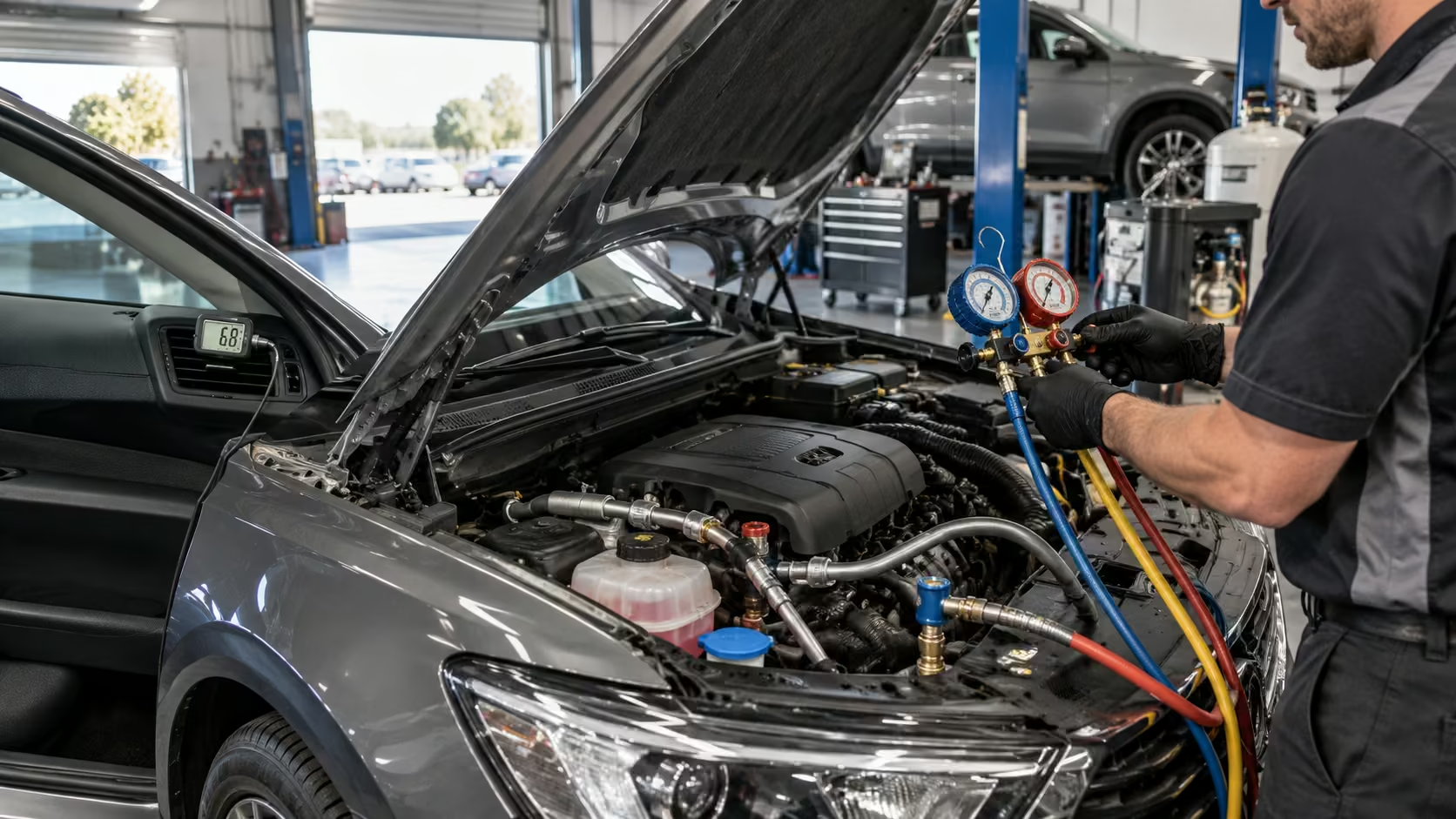
A worthwhile check reads the codes and the freeze frame data, then tests the suspect circuit rather than replacing parts on faith. Live sensor readings, wiring checks and a road test confirm the actual cause before anything is fitted. That process is what separates a proper scan and inspection from a parts cannon approach that swaps components until the light gives up.
Prevention earns a mention too. A lot of engine light visits trace back to worn plugs, dirty airflow sensors and old fuel filters, which is precisely the stuff that routine scheduled servicing exists to stay ahead of.
If your dash is glowing amber, the crew at A to Z Automotive Services will pull the codes, show you the evidence and quote the real fix, not the guess. We look after drivers right across the Newcastle area, and a scan takes less time than you think. Call 0432 553 905 to get it booked.
FAQ
Can a loose fuel cap really trigger the check engine light?
Yes. The cap seals the evaporative emissions system, and a poor seal registers as a leak fault. Tighten the cap until it clicks and the light will usually clear itself over the next few drive cycles if that was the only issue.
Will my car pass a pink slip inspection with the engine light on?
An illuminated warning light can be flagged during a safety inspection and may need to be resolved before the vehicle passes. Getting the fault diagnosed before the inspection is due avoids doing everything twice.
Does the check engine light cover low oil?
Not usually. Oil pressure and oil level have their own dedicated warning lights on most vehicles. The check engine light relates to the engine management and emissions systems, though severe mechanical problems can trigger both.
Does the engine light always mean an expensive repair?
No. Common causes include failed oxygen sensors, ignition coils and evaporative leaks, which are modest repairs. The expensive outcomes usually come from driving long distances with a flashing light or ignoring a steady light for months.