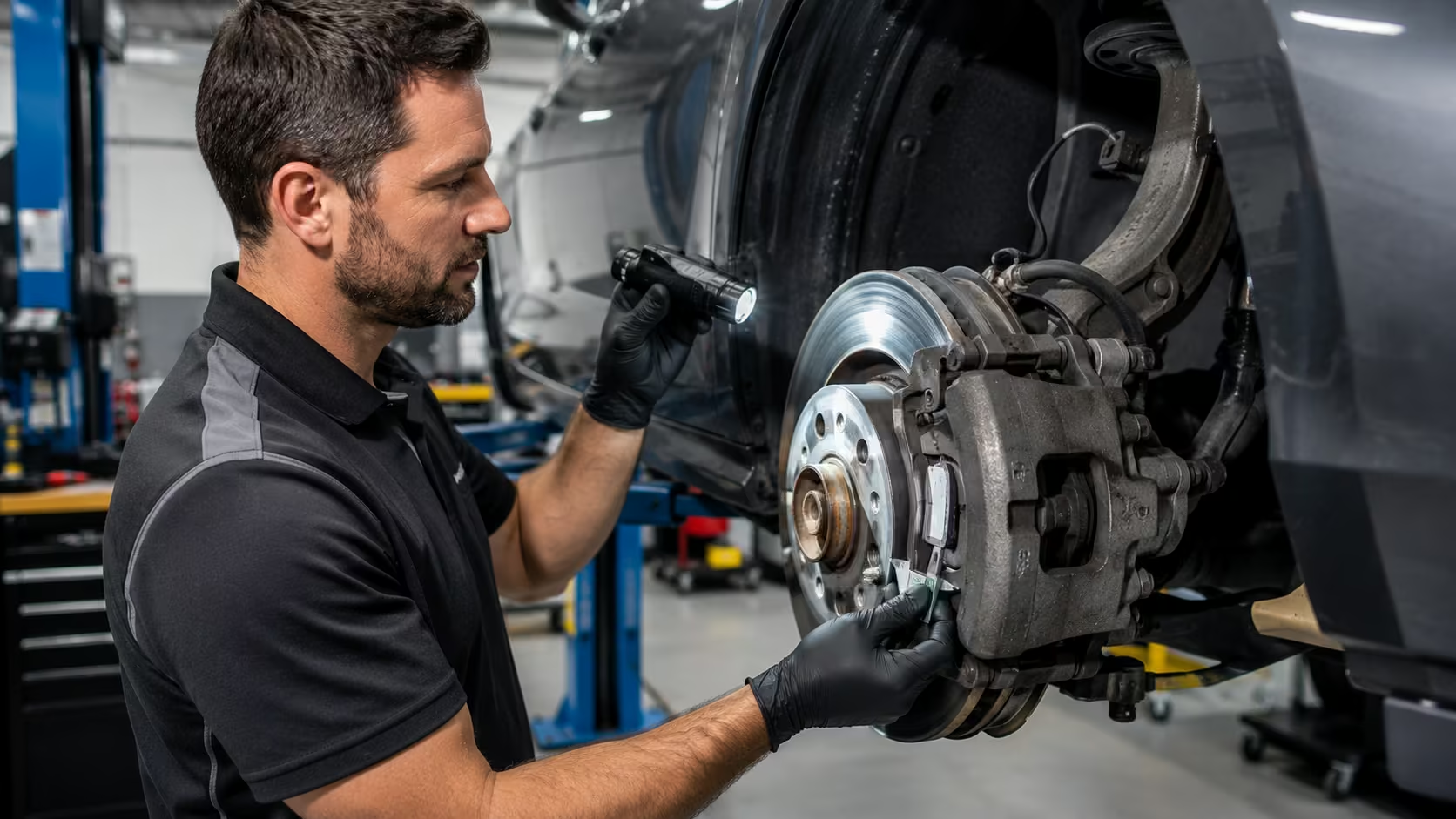
Not all brake noises are the same and not all of them mean the same thing. The squeal is a high-pitched whine that tells you worn pad indicators. If you hear grinding, that is metal to metal contact. A clicking noise indicates that a part is loose. Each sound gives you a specific piece of information as to which part of the braking system needs attention. Regular servicing of your vehicle will also help you detect brake wear before you start hearing odd noises.
At A to Z Automotive Services we frequently encounter drivers who expect to have worn brake pads due to a squealing noise, only to discover the real problem is a sticking calliper slide pin or loose brake hardware. You can avoid unnecessary repairs by finding out what is causing the noise before replacing parts.
Call Now
High-Pitched Squeal or Squeak When Braking
If you hear a high-pitched squeal every time you apply the brakes, particularly at moderate speed, it’s usually the brake pad wear indicator doing exactly what it was designed to do. A small metal tab is built into the pad material in most modern brake pads. When the pad wears to a certain thickness this tab will contact the rotor and create a high pitched squeal to warn you that the pad needs to be replaced.
A wear indicator squeal is always predictable and consistent. It happens every time you hit the brakes, it’s high pitched and metallic rather than rough or grinding, and it goes away when you release the brake pedal as the rotor isn’t spinning up against the tab anymore. If you see this pattern, the pads are getting to the end of their serviceable life. The vehicle is still safe to drive in the short term but service should be booked as soon as possible. Don’t ignore the squeal from the wear indicator until it becomes a grind, or you’ll face a bigger repair and a bigger bill.
Another thing is a squeal that only occurs when braking lightly or when you are very slow in the wet. Overnight or after rain, surface corrosion builds up on the rotor and causes a light scraping or squeal on the first one or two brake applications. This is normal on vehicles that are not driven every day. This rapidly disappears as the pads clean the rotor surface, and is not an indication of brake wear.
Grinding or Scraping Sound When You Brake
If you hear a grinding or scraping noise when you brake, it’s the next step in the progression from the squeal you ignored. If the brake pad material wears down completely, the metal backing plate of the pad will contact the rotor directly. The metal on metal grinding at the speeds and pressures involved in braking creates a distinct harsh rough grinding sound that is not subtle and does not go away between applications.
Here two things are happening at the same time. The vehicle’s braking performance is compromised because metal-on-metal contact does not provide the friction coefficient that brake pad material does . And every time you touch the brakes the rotor is getting damaged. If a rotor has been ground against a bare metal backing plate, it will have grooves and gouges on the surface that will not allow a new set of pads to bed in properly, which means the rotor needs to be replaced or machined as well. Cost of repair at grinding stage is always more expensive than if done at squeal stage.
If you hear any grinding when you brake, get it checked out right away. In this condition, driving with a brake system is a safety hazard, not just a mechanical problem.
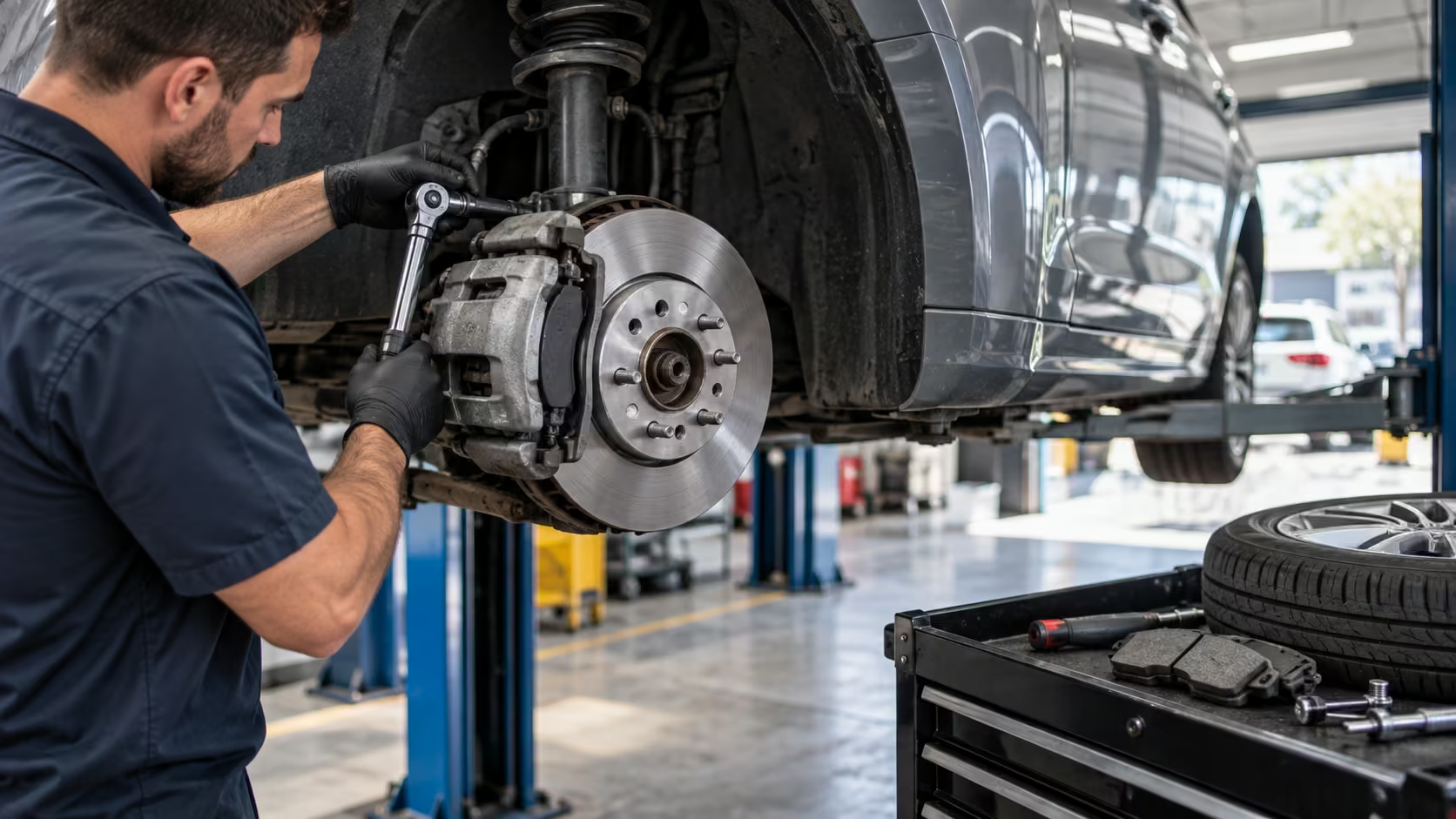
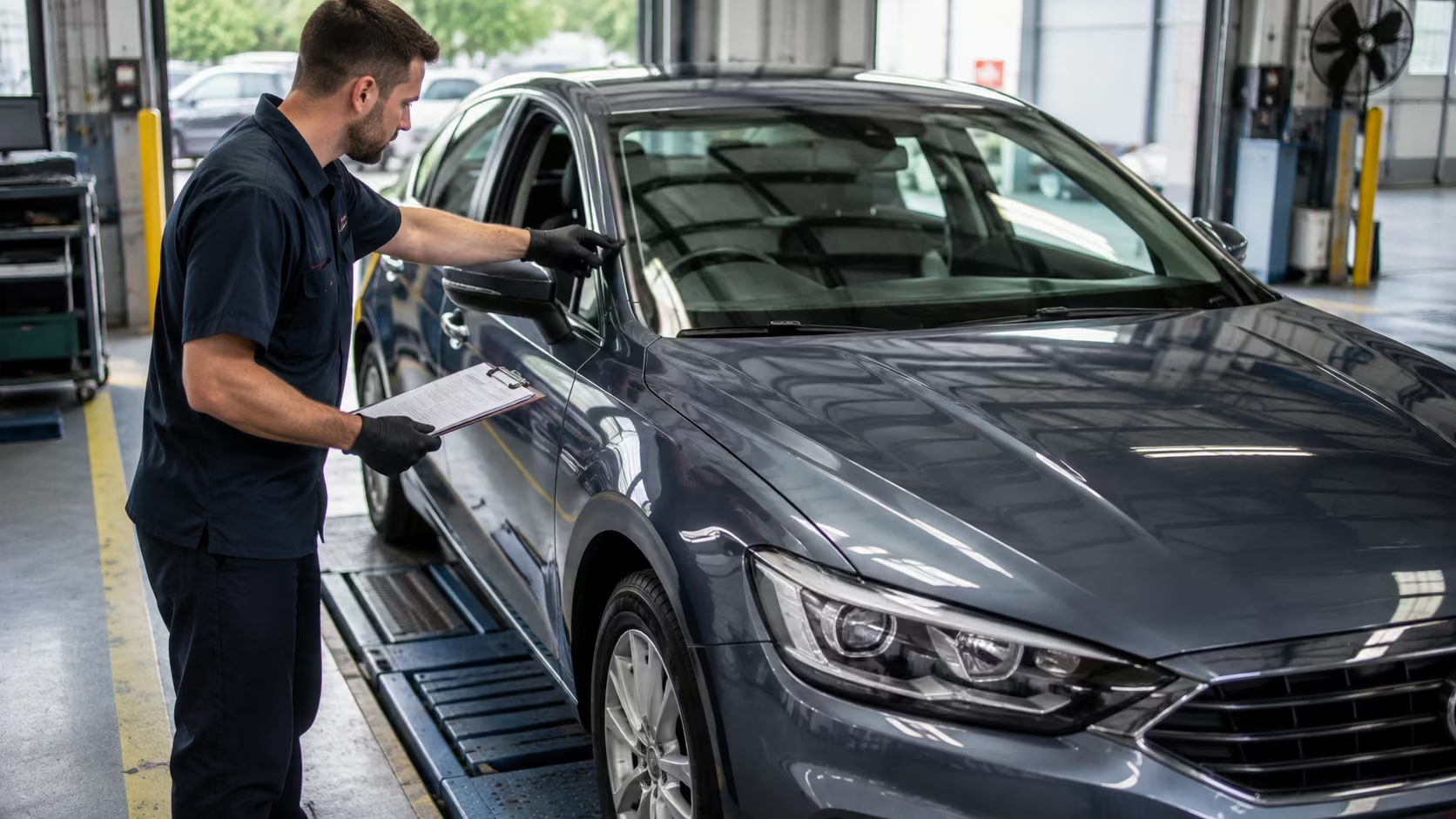
Learn more about the full scope of what a brake inspection involves on our brake service page where we cover how we inspect and repair the full braking system at our workshop.
Clicking or Knocking Sound When Braking
If you hear a clicking or knocking noise that occurs only when you apply the brakes and goes away when you release the brake, you may have a loose part rather than worn friction material. The most common causes are a loose brake pad in the calliper, a worn or unlubricated calliper slide pin, a loose calliper mounting bolt or a brake pad anti-rattle clip that has corroded or come loose.
Knocking and clicking are significant things, so these sounds can sound alarming. In most cases, they are not as urgent as a grind but they are also not something to ignore. A loose part that is rattling today can be a loose part causing uneven brake application, calliper seizure, or pad seizure tomorrow. If the calliper slide pins are not properly lubricated the calliper can stick in a partially applied position. This can cause the pad on that side to wear much faster than the other side and can cause uneven braking performance.
If you hear a clicking sound when you go over bumps but not when you brake, it could be a loose wheel bearing or a worn suspension part rather than the brakes themselves. This distinction is important for diagnosis.
Pulsating Pedal or Vibration Through the Steering Wheel When Braking
If you feel a pulsing when you press the brake pedal, or a vibration through the steering wheel when braking from higher speeds, your brake rotors are distorted. Rotors can develop uneven thickness or lateral runout (a slight warp) from heat cycling, especially after a long downhill run or repeated hard braking without enough time for the brakes to cool between applications.
If the rotor is not completely flat , or has a thickness variation around the circumference , the brake pad will make unequal contact with the rotor as it spins . This difference is transmitted through the calliper, the brake line, and the pedal as a pulsation you feel through your foot. The vibration can also be felt through the steering column at higher speeds when the rotor is spinning faster.
In some cases, rotor distortion can be corrected by machining the rotor flat, providing there is sufficient material thickness remaining to do so safely. If the rotor has been machined before or is near the minimum thickness spec, replacement is the way to go. Trying to live with rotor distortion by pumping the brakes or not braking hard doesn’t fix the problem and the pulsation gets worse and worse.
Grinding Only on the First Brake of the Day: When Surface Rust Is the Cause
If you only hear grinding or scraping on the first brake application after the car sits overnight or after a period of rain and it goes away completely after one or two stops the cause is almost certainly surface rust on the rotor.
When cast iron rotors are cool and get damp in the air they acquire a thin layer of surface rust overnight. This is normal and to be expected. This layer is scraped off by the first brake application when the pad contacts the rotor . This is a short rough sound . After the surface is clean , braking is normal and the sound is gone.
If the noise truly disappears completely after the first stop or two, that’s nothing to worry about. If it continues on after this or the brake pedal feels different or the car pulls to one side, it is not surface rust and should be checked out.
Brake Noise on European Vehicles and Why It Needs Careful Diagnosis
There are some braking system characteristics of European vehicles, especially BMW, Mercedes, Audi, Land Rover and Porsche that must be considered when interpreting brake noise and deciding how to repair brakes.
In many European cars, the brake pads have electronic wear sensors instead of mechanical ones. This makes a squealing noise as the metal tab rubs against the rotor . Some pads use a wire embedded in the pad to trip off a warning light on the dashboard when the pad reaches the replacement point . This gives the driver a brake warning light before any audible sounds. It also means that some drivers with European vehicles do not hear the pad-wear squeal that would tell them on a vehicle with a mechanical wear indicator.
The brake pad compounds used on European performance cars are also often harder than on standard road cars and can produce a light squeal or hiss under very gentle braking even when the pads are new and properly bedded in. This is a property of the compound, not a sign of wear and tear.
Also the European brake systems have another design of callipers and pad holding systems than standard vehicles. A BMW or Mercedes with a wrong conclusion from a noise diagnosis means an incorrect repair. Calliper slide pin noise on a European vehicle can be confused with a pad wear issue A binding calliper can be confused with a rotor issue Familiarity with the architecture of the specific brand braking system and access to the ABS and brake system fault codes in the vehicle’s diagnostic modules are both helpful for accurate diagnosis.
Our diagnostic service includes all modules for a full diagnostic check reading ABS and brake system fault codes. Our European specialist guide explains why some brake warning patterns on BMW and Mercedes need a brand-specific diagnosis, and the difference in approach.
When Should You Stop Driving Immediately?
Some brake noises are only a warning that the brake pads are nearing the end of their life, while others need to be addressed immediately. Do not continue to drive the vehicle until it has been inspected if: there is a grinding noise when the vehicle is moving, the brake warning light is on, the brake pedal feels soft, the braking performance is reduced or the vehicle pulls hard to one side when braking. Continued driving in such situations may increase repair costs and impair braking safety.
Key Takeaways
- Squeal on every brake application: wear indicator, book a service promptly
- Grinding or scraping: metal on metal, immediate attention required
- Clicking or knocking specific to braking: loose component, inspect soon
- Pulsating pedal or steering wheel vibration: rotor distortion, inspection needed
- Brief scraping on first stop only: surface rust, normal if it disappears quickly
- European vehicles: electronic wear sensors mean the warning light may precede any sound
A to Z Automotive Services carries out brake inspections, pad and rotor replacements, caliper servicing, and electronic brake system diagnosis at our Cardiff workshop. Whether you’re looking for routine brake maintenance or a trusted workshop for ongoing vehicle care, choosing the right mechanic makes all the difference.
Frequently Asked Questions
Is it safe to drive with a brake squeal?
A brake squeal usually means the brake pads are nearing the end of their service life. The vehicle is generally safe to drive for a short time, but the brakes should be inspected promptly. If the noise changes to grinding, stop driving and arrange repairs immediately.
Can brake noise come from just one wheel?
Yes. Noise from one wheel often indicates a sticking caliper, uneven brake pad wear, or loose brake hardware on that corner of the vehicle. A brake inspection will identify the exact cause.
How much does a brake inspection cost?
The cost depends on the vehicle and the workshop. Most inspections include checking brake pads, rotors, calipers, brake fluid and related components before recommending any repairs.
Can I fix brake noise myself?
Minor squeaks caused by dry brake hardware may be resolved during maintenance, but grinding, clicking or persistent brake noise should always be professionally diagnosed to ensure safe braking performance.
Why do new brake pads sometimes squeal?
New brake pads may produce a light squeal while bedding into the brake rotors. This usually disappears after normal driving. Persistent squealing after the bedding period should be inspected.