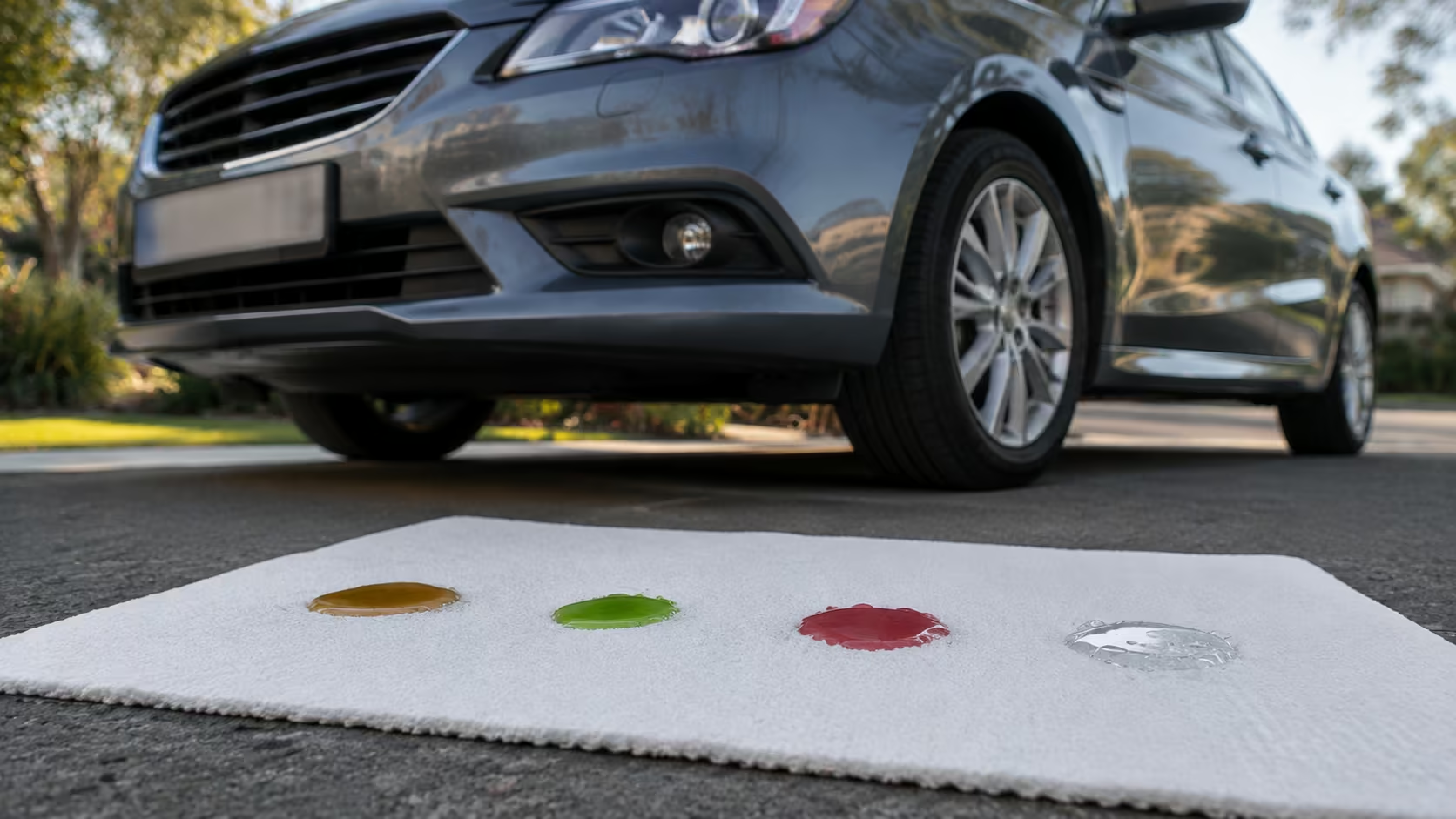
Clear water under a car is almost always air conditioning condensation and harmless. Amber to dark brown usually means engine oil, red or pink points to transmission or power steering fluid, green orange or pink coolant smells sweet, and a clear to yellow oily fluid near a wheel may be brake fluid, which is the one that means stop driving.
A patch on the driveway is one of the few car problems you can start diagnosing yourself before anyone opens a bonnet, and the three things worth noting take about a minute: what colour it is, whereabouts under the car it sits, and how it feels between your fingers. Get those three and you have narrowed a vague worry down to a system. What follows is how to read a driveway, beginning with the puddle that alarms people and means nothing at all.
Call Now
Clear Water Is Usually the Air Conditioner
Run the air conditioning on a warm day and it pulls moisture out of the cabin air, exactly the way a cold drink sweats in summer. That water collects and drains out through a small tube behind the engine bay, which is why a clear, odourless puddle appears under the middle of the car after a drive and dries up without leaving a stain. It is the system working properly, and no other harmless puddle sends more people looking for a mechanic.
Two things distinguish it from anything worth investigating. It is genuinely water, no colour, no oily feel, no smell, and it evaporates cleanly off concrete. And it only happens after the air conditioning has been running. If a clear puddle appears in cool weather with the air conditioning off, or the water is appearing inside the car on the floor rather than beneath it, that is a blocked drain rather than a working one, and it is worth mentioning at your next service.
Amber to Dark Brown Usually Means Engine Oil
Fresh engine oil is a light amber, and it darkens through to near black as it ages, so the colour tells you as much about when the oil was last changed as what it is. The reliable identifier is feel: engine oil is slippery, it does not evaporate, and it leaves a stain on concrete that stays long after the puddle is gone. The usual sources are a sump plug or filter that has not sealed properly, a valve cover gasket hardening with age, or a crankshaft seal weeping at either end of the engine.
A slow oil weep is one of the more forgiving leaks, provided you actually watch the level rather than assuming it will hold. What earns urgency is either a rate fast enough to see the dipstick move between fills, or oil landing on hot exhaust components, which produces a burning smell and, at the far end, smoke from under the bonnet. Worth knowing too that oil can disappear without ever reaching your driveway, since an engine burning oil internally loses it out of the exhaust instead, which is why a dropping level with a clean driveway still means something.
Red or Pink Fluid Points at Transmission or Steering
Automatic transmission fluid is dyed red or pinkish red when new, and power steering fluid on many cars is a similar shade, which is why these two get confused constantly. Both feel oily, both are thinner than engine oil, and transmission fluid has a distinctive slightly sweet, faintly petroleum smell that becomes acrid and burnt if the transmission has been overheating.
Position separates them better than colour does. Transmission fluid lands under the middle to front of the car around the gearbox, while power steering fluid tends to appear further forward, nearer the steering rack or the pump. Symptoms help too: a transmission low on fluid slips, shifts harshly or hesitates, while a power steering system losing fluid groans when you turn and the wheel goes heavy at parking speeds. Either one dropping is worth acting on quickly, because both systems are hydraulic and both fail badly when the fluid runs short.
Green Orange or Pink Coolant Smells Sweet
Coolant is where colour advice on the internet goes most wrong, so treat it carefully. Manufacturers use green, orange, pink, blue, yellow and purple, and the colour indicates the chemistry rather than telling you it is coolant at all. What identifies it consistently is the sweet smell and a slightly slimy feel that is quite different to the slipperiness of oil, usually appearing under the front of the car around the radiator and hoses. That same sweet smell arriving inside the cabin points at a different and more awkward leak behind the dashboard, so where you notice the smell matters as much as the puddle itself.
Coolant leaks earn attention because the consequence is overheating rather than mess. There is also a practical warning worth passing on: coolant tastes sweet and is highly toxic to pets and wildlife, so a puddle on a driveway is worth hosing away rather than leaving for a curious dog to investigate.
Clear to Yellow Brown Near a Wheel Is Brake Fluid
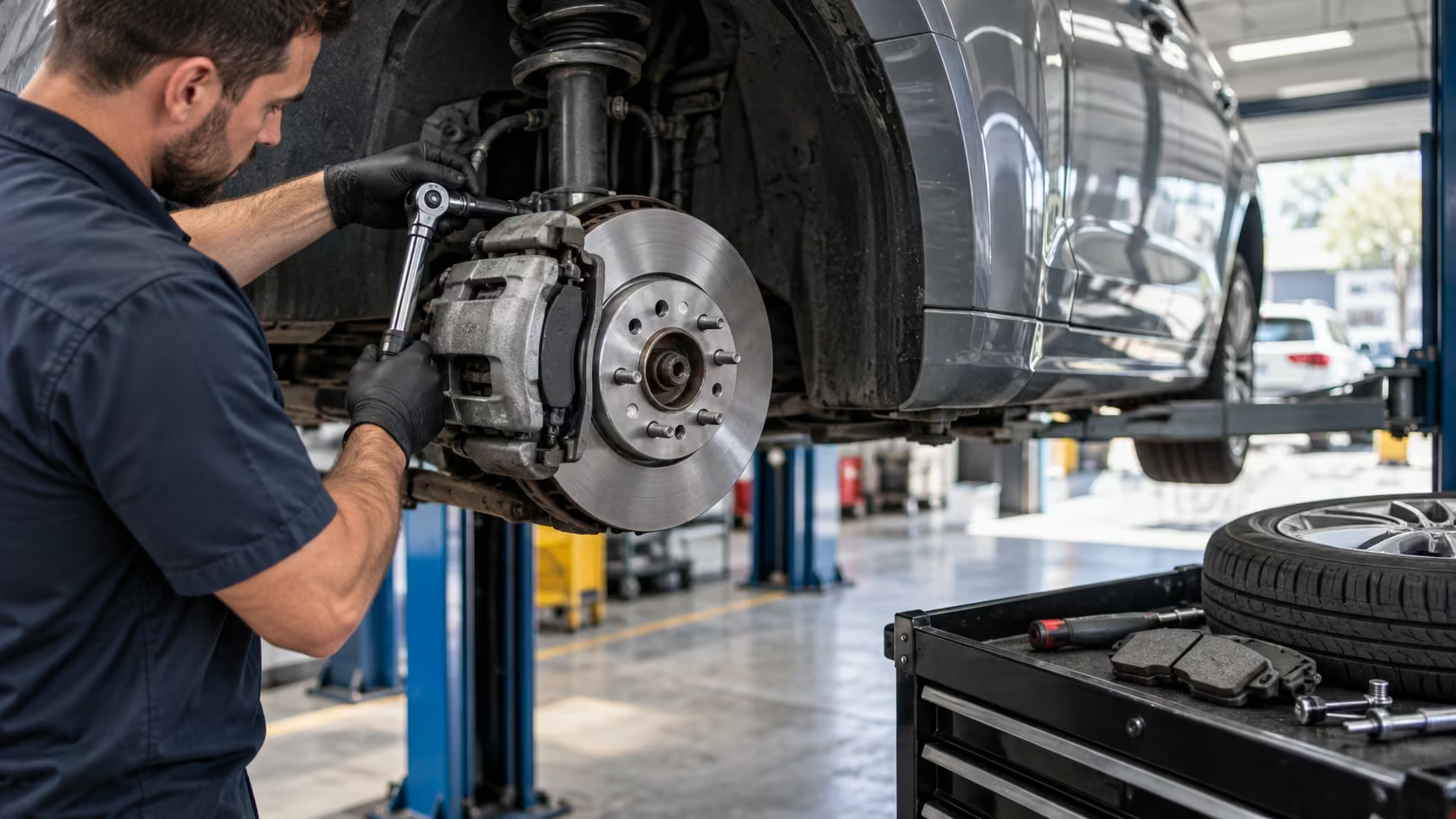
This is the leak that changes your plans for the day. Brake fluid is clear to light yellow when fresh, darkening to brown with age and moisture, and the giveaway is that it feels slippery like oil but noticeably thinner, almost watery, with a faint chemical smell. Position is the strongest clue of all: brake fluid appears near a wheel, behind the front of a wheel arch, or in a small patch under the pedal area inside the car where a master cylinder is weeping.
Treat any suspected brake fluid leak as a reason not to drive the car. Braking is hydraulic, meaning it works by pushing fluid through sealed lines, and a system losing fluid is a system losing the pressure that stops the car. A pedal that has gone soft or travels further than it used to, in combination with a leak near a wheel, is not a book it in next week situation. It is a have it collected situation, and it is the one leak on this list where waiting has no upside at all.
Dark Thick Oil With a Strong Smell
A very dark, thick, notably sticky oil with a powerful smell that most people reach for the word sulphurous to describe is gear oil, from a manual gearbox or a differential. Its additive package is what produces that unmistakable odour, and once you have met it you never confuse it with anything else on this list. Look for it under the gearbox or, on rear wheel drive vehicles, beneath the differential at the back.
These leaks are usually slow, from a hardened seal or a weeping housing gasket, and they get ignored because nothing seems to change day to day. The risk is quiet: gearboxes and differentials hold modest amounts of oil, and running one low destroys expensive gears rather than producing a warning first. A dark patch that keeps returning under the driveline is worth a look before it turns into a rebuild.
Position Under the Car Narrows It Further
Colour gets you halfway and position gets you most of the rest. Front centre points at the engine and cooling system, so oil, coolant, and on many cars the air conditioning drain. Front corner near a wheel points at brakes or, further in, the steering rack. Middle of the car under the gearbox points at transmission fluid or gear oil. Rear of the car points at the differential on rear wheel drive vehicles, or the fuel tank and its lines.
That last one deserves its own note. Fuel rarely leaves a lasting puddle because it evaporates quickly, so it identifies itself by smell rather than by sight, and a fuel smell with or without a visible patch belongs in the same urgent category as brake fluid rather than the wait and see one.
Why Colour Alone Can Mislead You
Here is the caveat that most colour charts leave out, and it saves a lot of wrong conclusions. Every fluid in a car darkens as it ages. Transmission fluid that started bright red goes brown after enough heat and kilometres, at which point it looks remarkably like engine oil on grey concrete. Coolant that was orange turns muddy brown once rust has entered a neglected system. Brake fluid darkens the same way.
So an old car with old fluids can present a brown puddle that could be any of four things, which is exactly when feel and position become the deciding evidence rather than colour. Rub a little between finger and thumb: engine oil is thick and slippery, transmission fluid is thinner and oilier, coolant is slimy rather than slick, brake fluid is thin with a chemical edge. Then check where it fell. Two pieces of evidence beat one every time.
The Cardboard Test and What to Bring Us
If you want to arrive with something genuinely useful, do this the night before. Slide a large flattened sheet of cardboard under the car, note which end was facing the front, and leave it overnight. In the morning you have the colour on a clean pale background instead of on dark concrete, a clear position that maps to a specific area of the car, and a sense of the rate from how much has collected. That is three of the four questions answered before anyone lifts the bonnet.
Photograph it, note whether the car had been driven hard or was sitting cold, and check the levels you can reach safely: engine oil on the dipstick, coolant in the expansion tank, brake fluid in its reservoir under the bonnet. A level that has visibly dropped confirms which system is losing fluid and turns a guess into a fact.
Finding a Leak Properly Takes More Than Looking
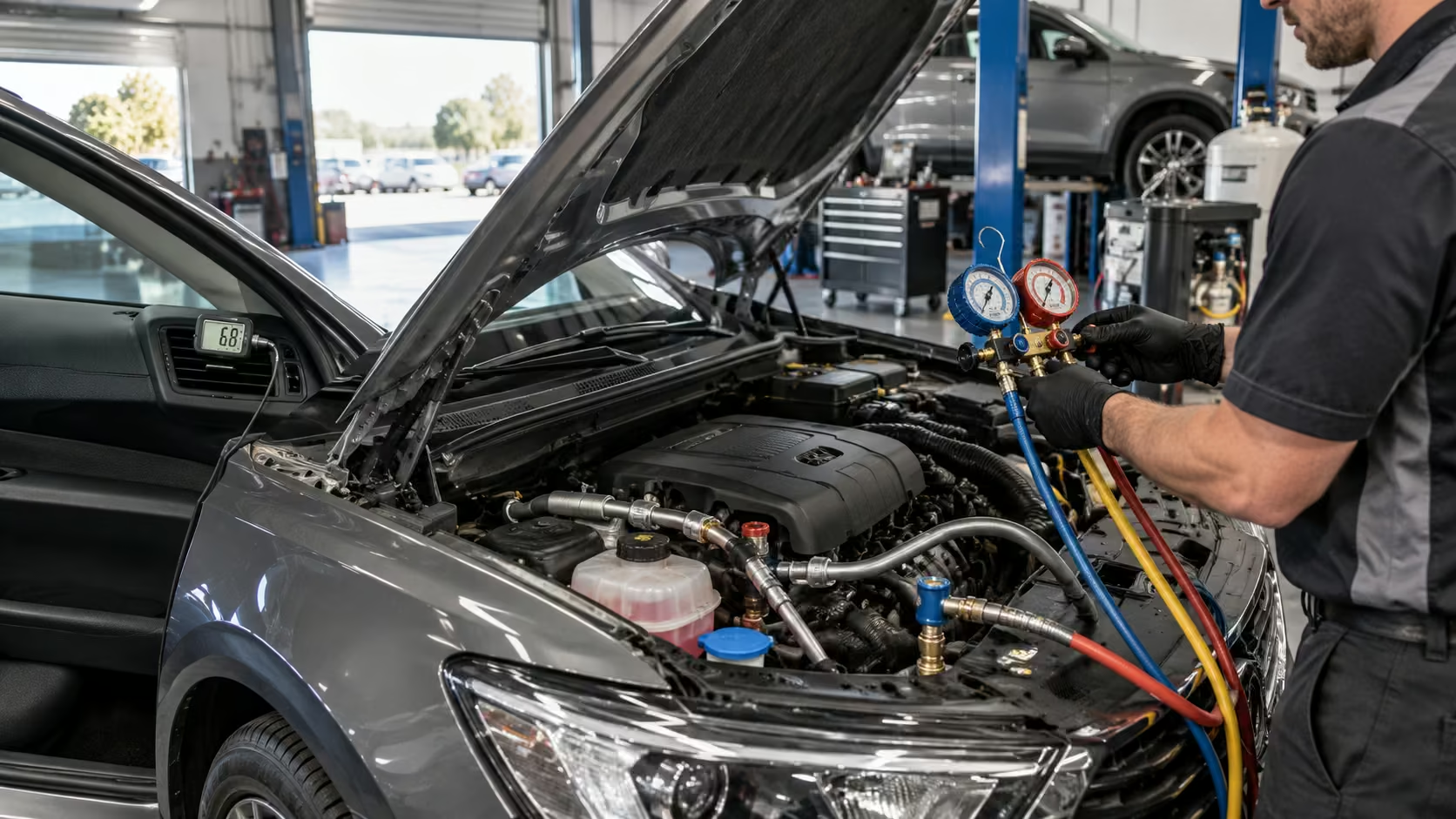
Some leaks announce their source immediately and plenty do not, because fluid runs along the underside of a car and drips from somewhere well away from where it escaped. This is where workshop methods earn their keep: cleaning the area and running the car to see where fresh fluid appears, pressure testing a cooling system to force a slow leak into showing itself, and using ultraviolet dye that makes the trail glow under a lamp. A proper inspection finds the origin rather than the destination, which matters when the fix is a ten dollar seal in a place nobody would have thought to look.
Before the Patch Becomes a Problem
A to Z Automotive Services dye tests and pressure tests leaks rather than guessing at gaskets, so bring the cardboard, the photo, and whatever you noticed about the smell. Get it looked at while it is still a patch, and if the verdict is that your air conditioner has been doing its job on hot afternoons and there is nothing wrong with the car at all, that is a perfectly good result and you will not be talked into anything else.
Frequently Asked Questions
Is a puddle of water under my car something to worry about?
Almost never. Air conditioning produces condensation whenever it runs, and that water drains out through a tube near the front of the cabin, so a clear puddle after a hot drive is the system working exactly as intended. It only becomes interesting if the water is inside the car rather than under it.
Does the colour alone tell you what the fluid is?
Not reliably, and this is where a lot of internet advice goes wrong. Coolant is sold in green, pink, orange, blue, yellow and purple depending on the manufacturer, and every fluid darkens with age, so old transmission fluid can look almost identical to engine oil. Colour is the starting point, not the verdict.
How can I tell where the leak is coming from?
Slide a large sheet of cardboard under the car overnight and mark which way it was facing. The position of the stain on the cardboard maps directly to the area of the car it fell from, which turns a vague puddle on a driveway into a specific place to look.
Can I keep topping up a fluid instead of fixing the leak?
For a slow weep of engine oil, monitoring and topping up while you arrange a repair is reasonable. For brake fluid it is not, because a hydraulic system that is losing fluid is losing pressure, and the whole point of that system is that it works the one time you truly need it.