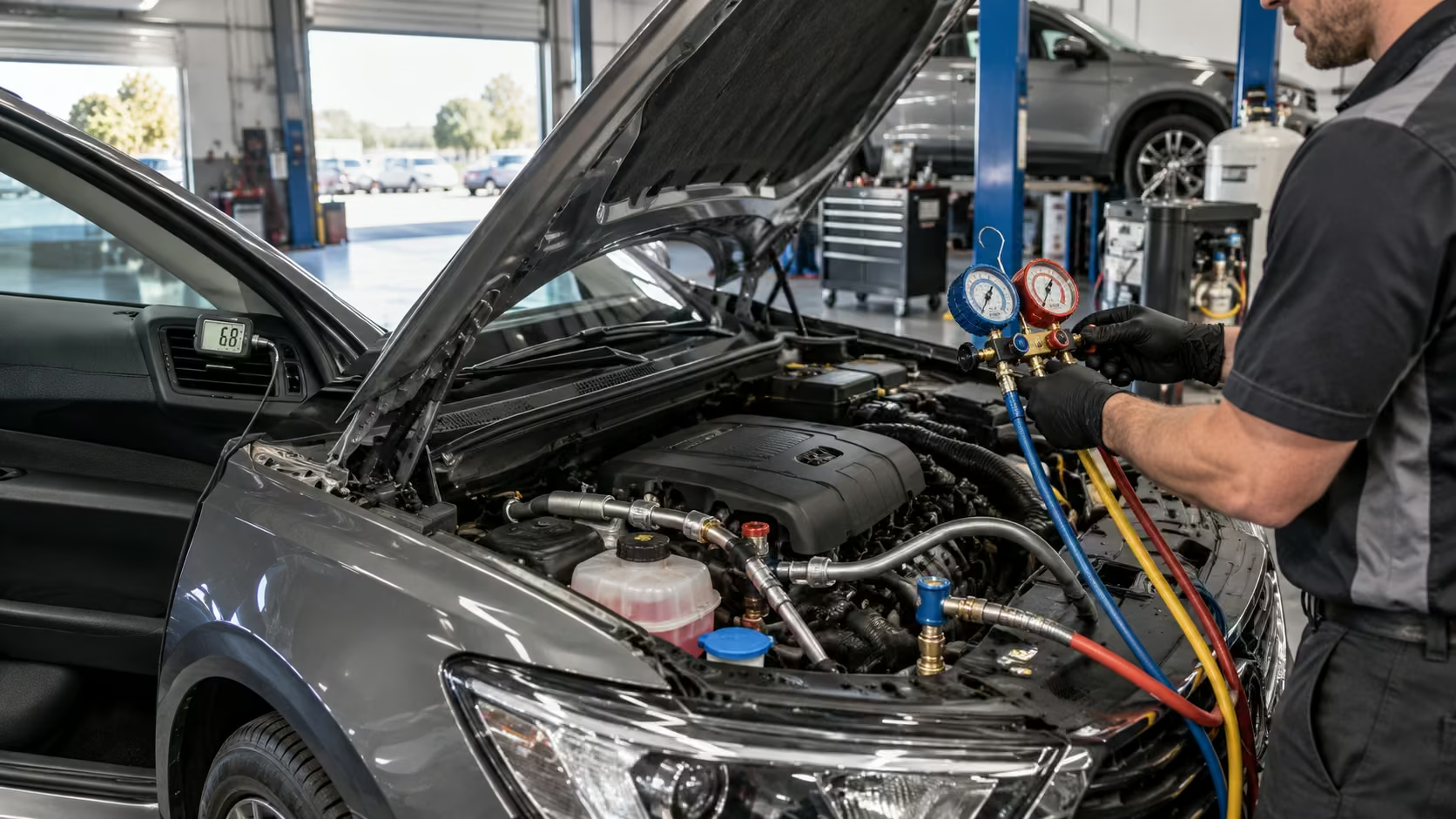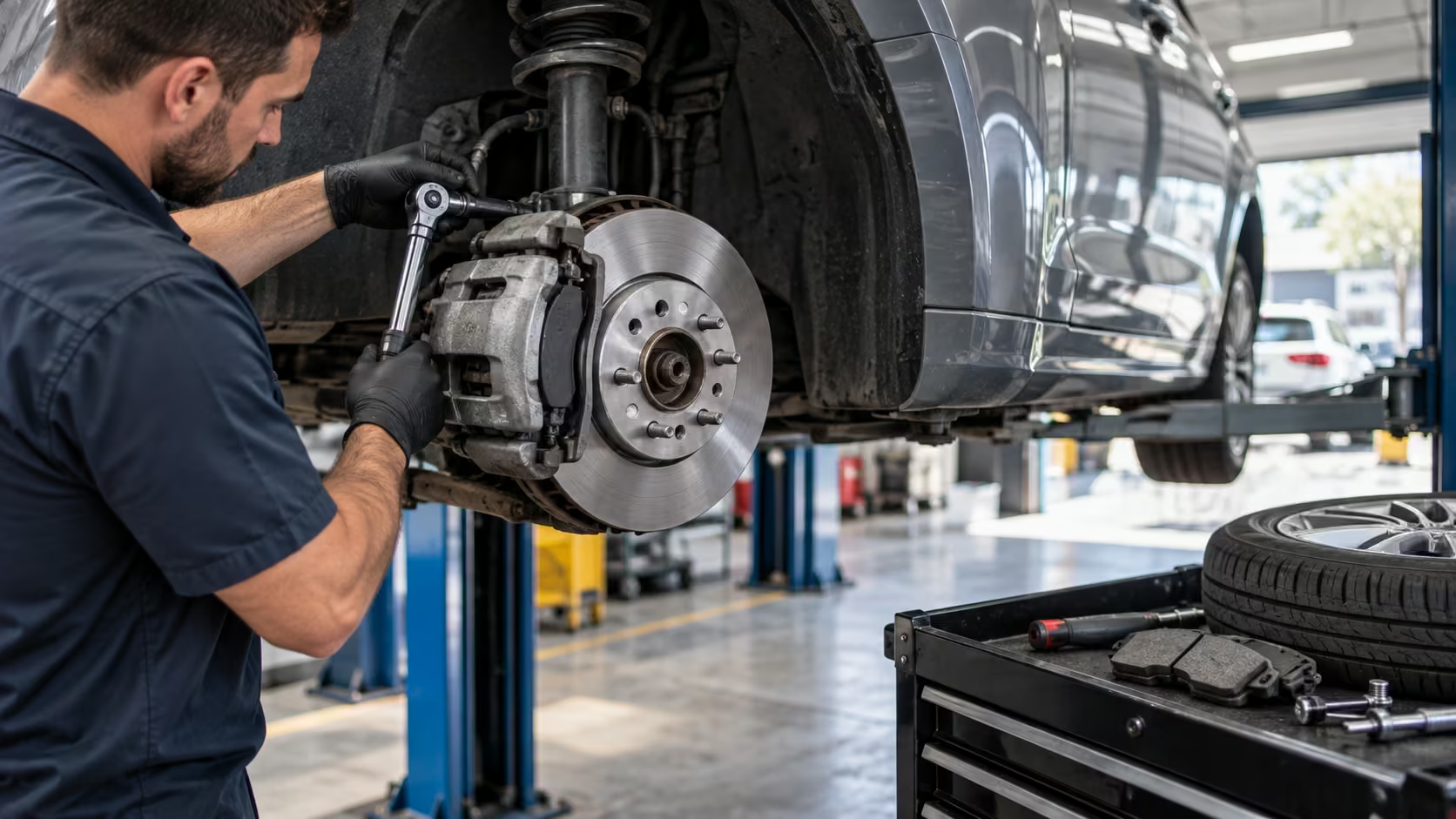
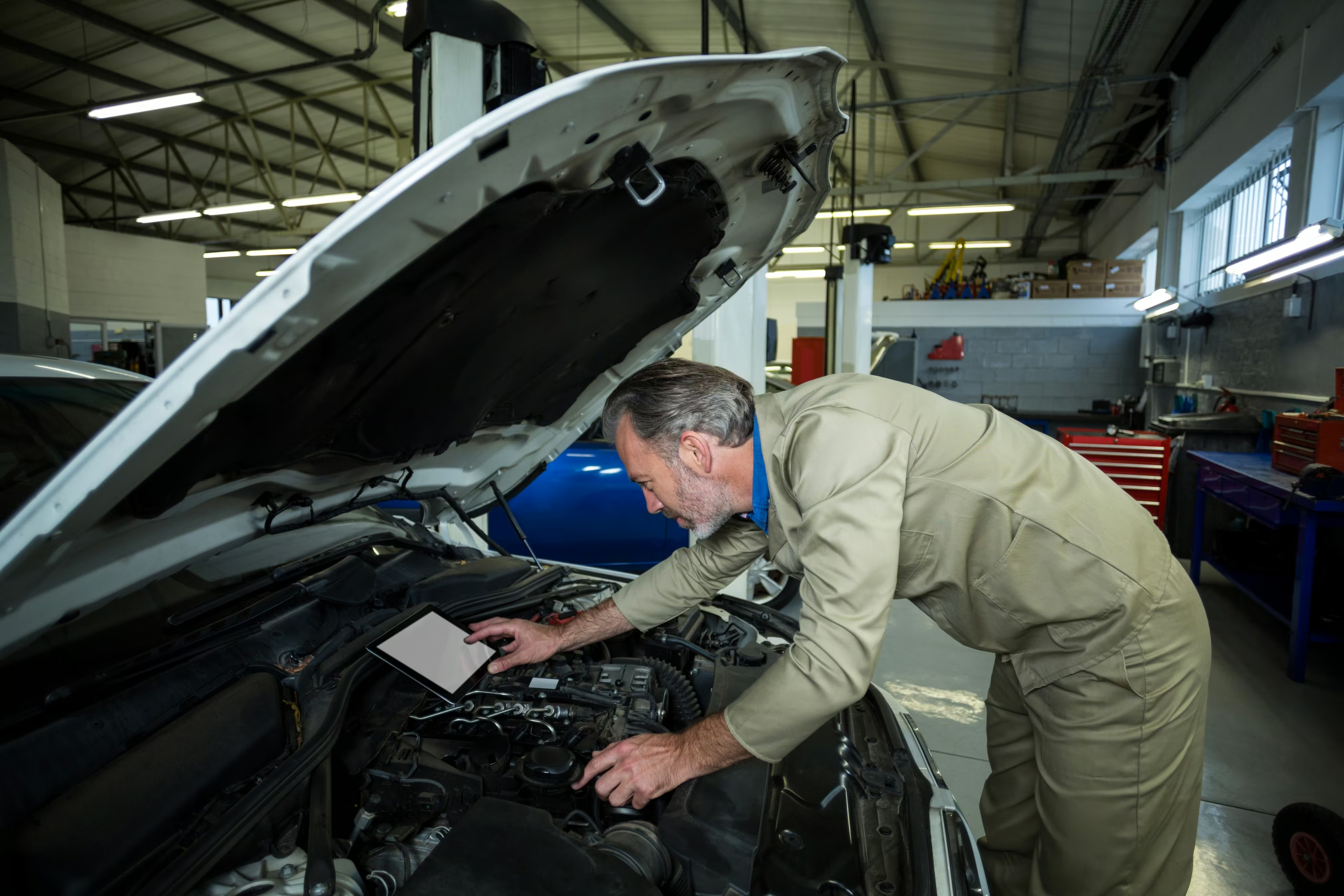
A DPF check is a diagnostic inspection that analyses soot load, differential pressure and regeneration history to tell you just how blocked your diesel particulate filter is. Most diesels should be checked annually (or sooner if a warning light comes on, power drops off or fuel consumption increases).
Call Now
What is a DPF check?
The diesel particulate filter is located in your exhaust pipe and traps the soot before it exits the tailpipe. It burns that soot off at high temperature , called regeneration , to clean itself . The problem is that regeneration only works properly when the exhaust gets hot enough for long enough, which isn’t something you get on short urban trips.
A DPF check tells you where the filter sits on that curve. No guess work based on a warning light, real numbers: how full the filter is, how hard the engine is working to push exhaust through it, and if the self cleaning cycles have been completing or getting cut short.
What does a DPF check involve?
The part of the check that is useful is on a scan tool reading live data from the engine control unit. A technician will usually look at four things.
Soot loading. The ECU calculates the filter fullness as a percentage. If anything is sitting high all the time when driving normally, it means the regenerations are failing.
Pressure difference. The pressure drop across the filter is sensed by a sensor. Readings are taken at idle and under revs, because a filter that looks fine at idle can be really restricted when the exhaust flow increases.
History of regeneration The log displays the last successful regeneration run and how far the vehicle has travelled since then. One of the most common findings that we see is a pattern of interrupted cycles, particularly on diesels doing school runs and short commutes.
Condition of pipework and sensor(s). This step is more important than most people realise. A cracked or blocked pressure line can mimic a clogged filter perfectly, and plenty of DPFs get condemned when the actual fault was a $40 hose. The physical inspection rules that out before anyone gets to talking bigger jobs.
What are the signs your DPF needs a check?
The obvious one is the DPF light itself, but the filter usually telegraphes trouble before the dash says anything. Slow acceleration, the fuel gauge dropping faster than normal, a hot smell from the exhaust after short trips or the engine fan running hard after you turn off the engine are all indicators that the system is stuck in mid-regeneration.
If the vehicle is already in limp mode, the soot load has exceeded the point where the car will attempt to regenerate on its own. At that stage a check is not optional, it is the first stage in working out whether the filter can still be recovered.
How often should a DPF be checked?
Most diesels require it once a year with a regular service. More attention needs to be paid to vehicles in traffic. Newcastle stop start driving is the exact duty cycle that starves a DPF of the sustained heat it needs. So if your diesel rarely sees the highway, a six monthly look at the soot and regeneration data is cheap insurance.
Also worth checking before you buy a used diesel are: A scan tool takes ten minutes to tell if the previous owner drove it in a way the filter could live with. It pairs well with a comprehensive vehicle scan across the rest of the car at the same time
Can a DPF check tell if the filter needs replacing?
Usually yes and this is the real value of testing before touching anything. Soot burns away. Ash doesn’t. Ash is the residue of thousands of regenerations. It builds up slowly, over the life of the filter. A moderate amount of soot on a low ash filter means the unit can be recovered as a check. A high ash on a high kilometre vehicle is a different story.
If the readings do point to a heavily loaded filter there is a range of fixes from a supervised regeneration to off vehicle cleaning and we have covered the options for restoring a blocked filter in a separate guide. TL;DR: replacement is a last resort, not the first quote you should accept.
What happens after the check?
You should leave knowing three things: how loaded is the filter, why did it get that way, and what will it take to fix it? If a workshop won’t show you the readings behind their recommendation, get another opinion. If you want the filter properly looked at you can book an inspection and see the live data yourself.
If you catch it early, keeping a filter is a maintenance job. Caught late it is a 4 figure repair. At A to Z Automotive Services we’d rather run the numbers with you now than quote the big job later. So if your diesel has been feeling flat call 0432 553 905 and we’ll put it on the scanner.
FAQ
How long does a DPF check take?
A scan based check with a short road test usually takes under an hour. If the readings point to a heavily loaded filter, a forced regeneration or physical inspection adds time, and the workshop should tell you that before going ahead.
Can I check my DPF myself with an OBD reader?
A basic OBD reader will show fault codes and sometimes soot load, which is a useful starting point. What it will not show reliably is differential pressure behaviour under load or regeneration history, and those are the readings that separate a blocked filter from a faulty sensor.
Will a DPF check turn the warning light off?
Only if the underlying condition is resolved. Clearing the light without addressing high soot load just delays the problem, and on most vehicles the light returns within days. A proper check identifies why the light came on so the fix actually holds.
Does a DPF check damage the filter?
No. The check itself is non invasive. It reads sensor data, inspects the pipework and pressure lines, and observes the system on a road test. Nothing is removed or forced unless you approve further work afterwards.