The PureTech engine in many Peugeot and Citroen models runs its timing belt inside the engine, immersed in oil. Over time the belt can degrade and shed rubber into the oil system, blocking the oil pickup and vacuum pump. Warning signs include rough running, an oil pressure light, and a hard brake pedal.
The 1.2 litre PureTech three cylinder has won awards, powers an enormous range of small European cars, and carries one engineering decision that has defined its reputation: the timing belt runs wet, buried in the crankcase and immersed in oil for its whole life. When that idea works, it is quiet and efficient. When it goes wrong, it goes wrong in a way every owner of one of these cars should understand.
Call Now
What a Wet Belt Is and Why Peugeot Used One
A conventional timing belt lives outside the engine, dry, behind a cover. A wet belt design moves it inside the crankcase where it runs through engine oil, which reduces friction, noise and, on paper, wear. Several manufacturers adopted the idea in pursuit of efficiency figures, with the PureTech family and certain small Ford engines being the best known examples.
The design’s weakness is chemical rather than mechanical. The belt spends its life immersed in hot oil, and the belt material can only tolerate the oil chemistry it was engineered for. Degraded oil, the wrong specification of oil, or simply extended time and heat attack the belt itself, and unlike a dry belt, a deteriorating wet belt does not just risk snapping, it sheds into the very oil the engine depends on.
How the Belt Fails and Where the Debris Goes
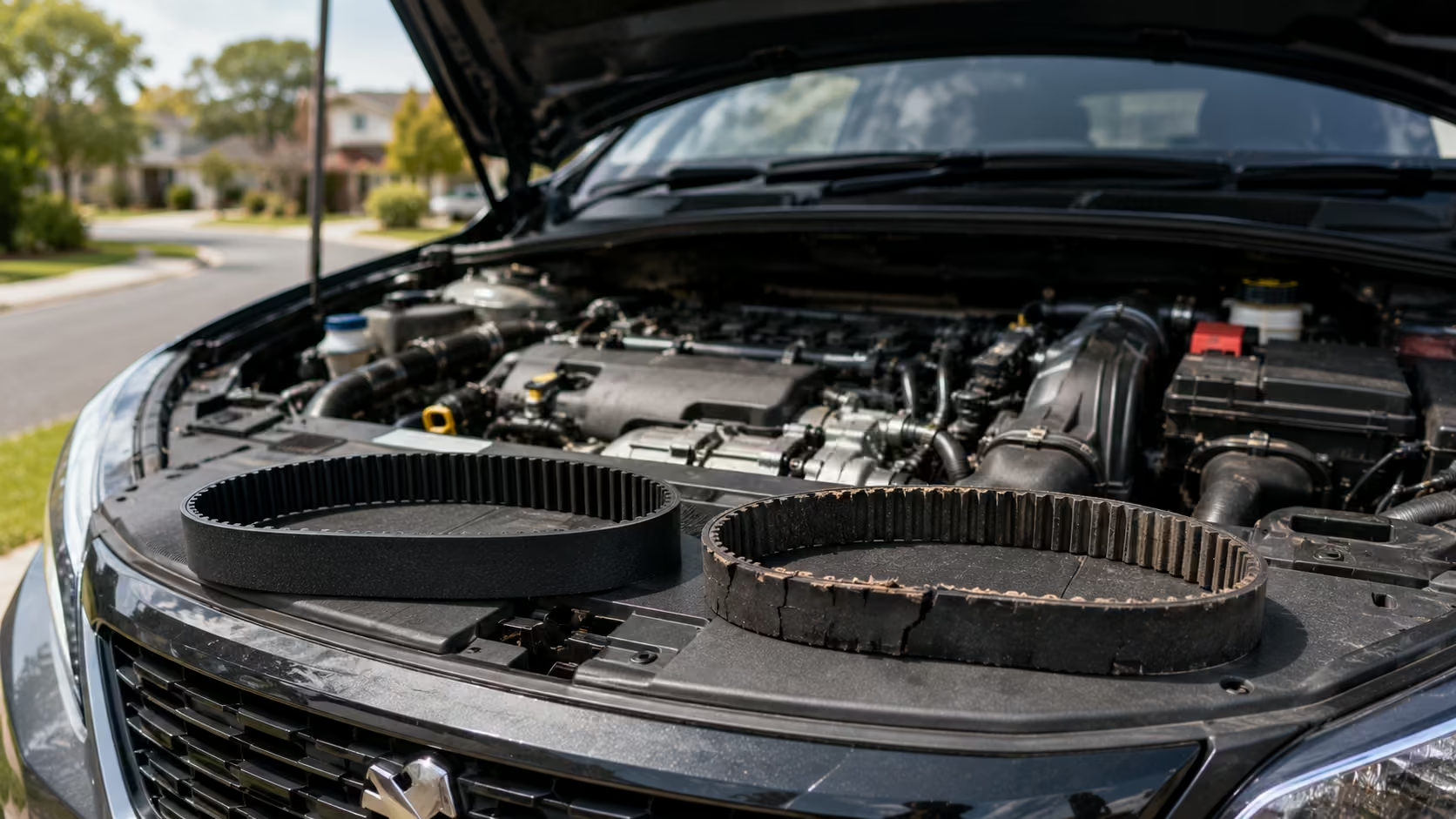
As the belt degrades it swells, frays at the edges, and releases particles of rubber into the oil. Those particles migrate to the two worst possible destinations. The first is the oil pickup strainer, where accumulating debris restricts oil flow to the whole engine, and an engine slowly starved of oil pressure wears its bearings toward failure. The second is the vacuum pump that provides brake assistance, which on these engines is oil fed and vulnerable to blockage.
That second path produces the fault that makes this issue famous: a brake pedal that goes hard and loses its assistance because shredded belt has choked the vacuum pump. A timing belt problem announcing itself through the brake pedal is deeply counterintuitive, and it is exactly why this engine rewards owners who know its story.
Symptoms of Wet Belt Trouble on a PureTech
The signs worth acting on are rough running or misfires as belt wear alters valve timing, an oil pressure warning light especially at idle, an engine management light with timing or pressure related faults, a hard brake pedal or reduced brake assistance, and any visible rubber debris under the oil filler cap or reported in the oil filter at a service. A rattling note from the engine on start can also point to a belt that has begun stretching.
None of these should be watched to see if they develop. On most engines an oil pressure light is urgent, and on this one it carries the extra possibility that the belt is dissolving into the lubrication system, which is a stop and investigate situation rather than a book it in next month one.
Replacement Intervals Were Cut and the Handbook May Be Wrong
The manufacturer’s original belt replacement intervals for these engines were long, and real world failures arrived well inside them. The schedule has since been revised sharply downward, in many markets to around six years or one hundred thousand kilometres, sometimes less depending on the engine version. That creates a trap: the printed handbook in the glovebox of an older car can state the original, optimistic interval. The current schedule for the specific VIN is the one that matters, and what a snapped or slipped belt does to an engine is the same catastrophic story here as on any interference engine, with the added twist that this belt can wreck the engine slowly through the oil system without ever snapping at all.
Which Cars Carry the PureTech Engine
The engine family spans a large slice of the small European car market: Peugeot 208, 2008, 308 and 3008, Citroen C3, C4 and their siblings, and various Opel models after the brands merged, across most years of the last decade. Small Ford EcoBoost engines of the same era use their own wet belt design with a closely related set of problems, so the lesson generalises beyond one badge.
If you own one, none of this is a reason to sell in a panic. It is a reason to know three numbers: what oil specification the engine takes, when the belt was last replaced, and what the current revised interval for your exact engine is. Those three answers separate the owners who have PureTech horror stories from the majority who quietly do not.
What Keeps These Engines Alive
The pattern across wet belt failures is consistent: wrong oil, old oil, or low oil. The belt tolerates the exact approved specification and very little else, oil changes on time are non negotiable because aged oil chemistry attacks the belt, and running low concentrates everything bad about both. Disciplined servicing done to the letter of the schedule, with the belt inspected along the way and replaced at the revised interval, is the entire ownership strategy, and it genuinely works.
If You Drive One of These
PureTech engines that come through A to Z Automotive Services get treated with the respect this design demands: the exact approved oil every time, the belt checked with a borescope during servicing rather than assumed fine, and the revised interval tracked for the specific engine, not the optimistic number in the glovebox. If yours is due, overdue, or showing any sign above, getting ahead of this belt is the cheapest this problem will ever be.
Frequently Asked Questions
Can the wet belt be inspected without pulling the engine apart?
Partially, and usefully. A workshop can inspect the visible run of the belt through the oil filler with a borescope, checking for swelling, fraying and shed teeth, and can look for rubber debris in the oil filter and pickup. It is not a full picture, but it catches deterioration before it becomes failure.
Is every PureTech engine doomed to belt failure?
No. Engines run on the correct approved oil, serviced on time, and inspected at the revised intervals routinely live normal lives. The failures cluster heavily around wrong oil, stretched intervals, and low oil levels. The engine punishes neglect harder than most, which is different from being doomed.
Why did the newest versions switch to a timing chain?
Because the manufacturer reached the same conclusion the industry did. The latest generations of this engine family moved away from the wet belt design, which says plainly what the long term verdict on it was. Existing wet belt engines, though, remain on the road in large numbers and need managing as they are.
What oil does a PureTech engine actually need?
The exact specification listed for the engine, which for these cars is a specific manufacturer approval, not just a viscosity. The belt lives immersed in that oil and its chemistry is part of what keeps the belt material intact. This is one engine where the approval code on the bottle is genuinely critical.