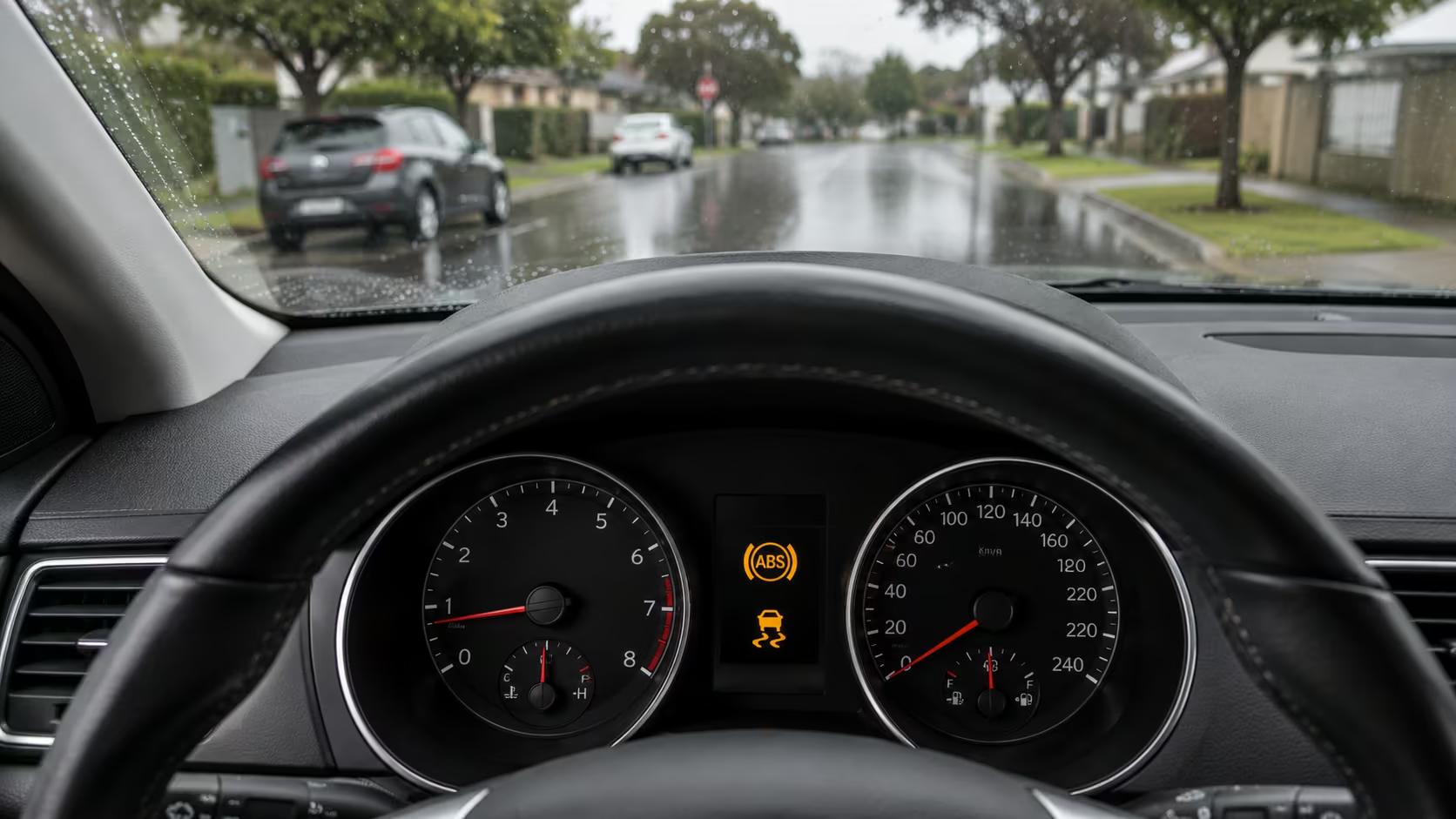
If the ABS light and traction control light illuminate together it is almost always a single fault – because the traction control system uses the ABS wheel speed sensors to operate. Both are disabled at the same time if a sensor fails , the sensor ring is damaged or the system voltage is low . Your normal brakes still work, but the electronic safety aids are disabled.
This pairing rattles people because two warning lights at once sound like two problems. The reassuring truth is more nearly the opposite: these two systems are housemates with the same eyes, and when the eyes fail, both housemates go dark together. knowing that relationship turns a scary looking dashboard into a fairly short suspect list.
Why the Two Lights Are a Package Deal
The ABS computer monitors a speed sensor at each wheel, comparing them many times a second to detect a wheel locking under brakes. Traction control and stability control are based on the same sensor data . They use this data to detect a wheel that is spinning rather than locking up . Multiple systems run off one set of sensors.
So when a sensor stops reporting, the car cannot trust its wheel speed picture, and it does the safe thing: it switches off every system that depends on that picture and tells you with both lights. That is why the pairing is actually useful information. Two lights together points away from the brakes themselves and straight toward the sensing and control side of the system.
The Wheel Speed Sensor Is the Usual Offender
These sensors are in the most brutal environment a car can offer, inches from the road, bolted next to spinning hubs, subjected to years of water, mud, brake dust and heat. They fail more than any other part of the system, sometimes electrically, sometimes because the magnetic tip has grown a beard of metallic debris, sometimes because the wiring to them has chafed or corroded at a connector.
The failure has a familiar personality. Initially the lights may come and go, often on damp mornings or after highway speed, then clear on a restart, then return. They stay eventually. Because each sensor reports separately, a scan can find which corner has gone quiet in minutes, which is why this fault is far cheaper to diagnose properly than guess at.
The Sensor Ring and the Wiring Come Next
Each sensor reads a toothed or magnetic ring that turns with the wheel, and those rings get old as well. A ring can be cracked by rust jacking, debris can fill its teeth, and a damaged ring sends a stuttering signal to the sensor that the computer rejects. It mimics the symptoms of a failing sensor, and that’s the very reason that sometimes replacing sensors on speculation fixes nothing; the new sensor is dutifully reporting the same damaged ring.
The mechanical suspects shut with wiring. The loom to each sensor flexes with the suspension every metre the car travels and years of that results in broken conductors and green connectors, faults that come and go with bumps and steering angle. Weather leans this way but the intermittent lights that follow rough roads and the stored fault data again separates the possibilities faster than any amount of parts swapping.
Low Voltage the Cause Nobody Suspects
The ABS module is one of the most voltage sensitive computers in the car and will complain about electrical weakness early on. A struggling alternator or the aftermath of a flat battery and jump start can light both warnings, even if the braking system is fine. It can also be a battery on its last season. It’s a pattern that workshops see throughout winter.
Time is the tell. And lights that came on with a slow crank, jump start or battery warning belong to the electrical system until proven otherwise. Testing the battery and charging output takes minutes. And this is the cheapest possible solution to this pair of lights. And it’s amazing how often it is the actual solution.
What Still Works and How Urgent This Is
Now the part that matters on the drive home: your brake pedal, hydraulics, pads and discs are all fully functional. The car stops normally. What you have lost is the electronic layer above them, anti lock intervention in a panic stop and traction and stability assistance on slippery surfaces, safety nets you will not miss until the exact moment you need them. So the honest urgency is this: not an emergency at suburban pace in the dry, and not something to carry into wet weather or a highway trip either. Since the sensors get inspected as part of any proper brake check, a car due for brake attention anyway can have both handled in one visit.
Getting Both Lights Off for Good
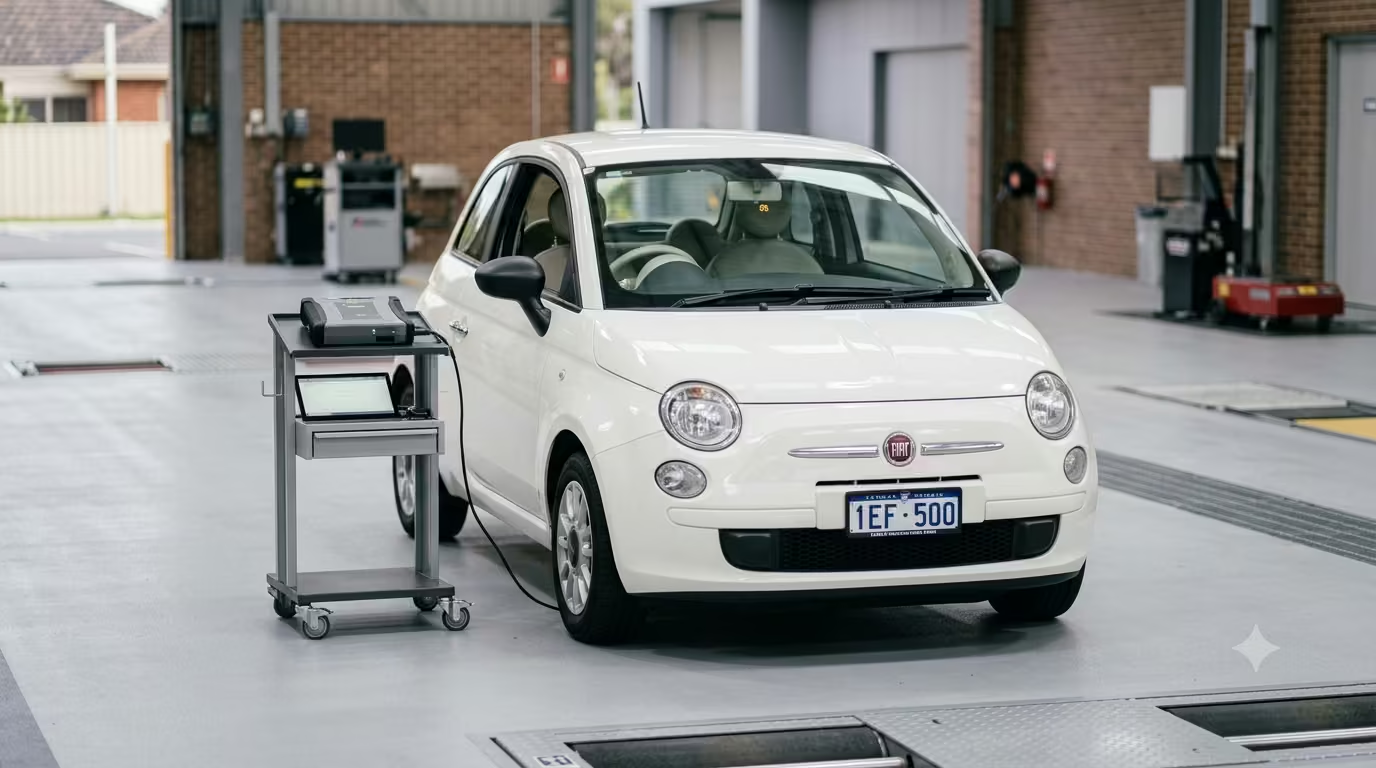
A to Z Automotive Services reads the ABS system’s own fault records first, which turns this whole subject from speculation into a short factual answer: which corner, which component, sensor, ring, wiring or voltage. Book the scan before buying any parts, because if the finding is a five minute connector or a tired battery, that small finding is the entire repair, and you will be told so.
Frequently Asked Questions
Can a flat or weak battery really turn these lights on?
Yes, and it happens constantly. The ABS module is fussy about voltage, and a tired battery or a jump start can light up both systems on a car with nothing mechanically wrong. Any ABS warning that appears right after battery trouble should have the battery checked before anything else.
Will the lights turn themselves off?
Sometimes a restart clears them, particularly after a voltage dip, but a fault caused by a failing sensor will keep returning, and the fault codes stay stored either way. Lights that come and go are still lights with a cause worth finding.
Can I just clean the wheel speed sensor myself?
On some cars the sensors are accessible and a build up of metallic debris or rust can genuinely be cleaned away. The catch is knowing which sensor and whether the sensor is even the fault, which is what the scan establishes. Cleaning blind is optimism, not repair.
Will these lights fail a pink slip inspection?
Warning lights on the dash are exactly the kind of thing a safety inspection is entitled to fail, and ABS is a safety system. If rego time is approaching with these lights on, getting the fault fixed first saves the double handling.