The most common reasons for an automatic gearbox to slip or jerk are low or degraded gearbox fluid, worn clutch packs, a failing solenoid or software faults in the gearbox control unit. First check the level and condition of fluid. If slipping persists, avoid hard driving and schedule a professional assessment as soon as possible.
The automatic gearbox is the most expensive single component in most cars after the engine and rarely breaks down without some warning. Those warnings are jarring and jerky. If caught early, the fix is usually a fluid service or a solenoid. If ignored, the same fault will grind its way towards a rebuild that can cost more than the car is worth. Here’s how to read what your gearbox is telling you.
Call Now
What Transmission Slipping Feels Like
Slipping is when the engine revs up but the car does not speed up to match. You press the accelerator and the tacho jumps 500 or 1,000rpm and the road speed lags. Drivers often say it’s like the car has just slipped into neutral for a moment, or the engine sounds busier than it should on the motorway. Jerking is the counter sensation: gear changes that hit with a thump or a shunt rather than slide through, sometimes with a delay when shifting from park to drive.
Both symptoms are symptoms of the same underlying system. Each gear is held by an automatic, hydraulic pressure clamps friction clutch pack. When that clamping pressure is reduced slip is possible. Anything that applies it suddenly causes jerking.
Low Transmission Fluid and Slipping Gears
The gearbox fluid does 3 things at once. It transmits hydraulic pressure, it lubricates, and it carries away heat. If the level drops or the fluid goes bad, all three suffer. Bright red and almost odourless is fresh fluid. The cooked liquid is brown and smells burnt, like toast that’s been burnt.
Most modern cars are sold with sealed for life gearboxes, meaning no dip stick and no service interval in the log book. That claim doesn’t survive contact with reality in Australian conditions, with our summer heat and stop-start traffic. Most gearbox specialists recommend a fluid service every 60,000 to 80,000 kilometres, no matter what the marketing says. It’s the cheapest insurance the gearbox will ever have.
Worn Clutch Packs and Torque Converter Problems
If a gearbox has been run on degraded fluid or worked hard for years, the clutch packs get thin on the friction material, much like a manual clutch wears out. Once that stuff is gone, fresh fluid will not bring it back. Slip gets worse and worse under load, especially up hills and when towing.
The torque converter, which couples the engine to the gearbox, has a failure mode of its own. Inside the converter is a lock-up clutch that can wear out and cause a shudder at cruising speed, usually between 60 and 80 km/h, which feels like you’re driving on a smooth road but going over corrugations. The Converter shudder is often mistaken for engine misfire, which is why guesswork is expensive.
Transmission Jerking Between Gears: Solenoid and Valve Body Faults
Modern automatics shift gears by using electronic solenoids to move fluid through a maze of passages, called the valve body. A sticky or slow solenoid can cause harsh, delayed or missed shifts, and will usually throw a fault code even if the dash warning light is not on.
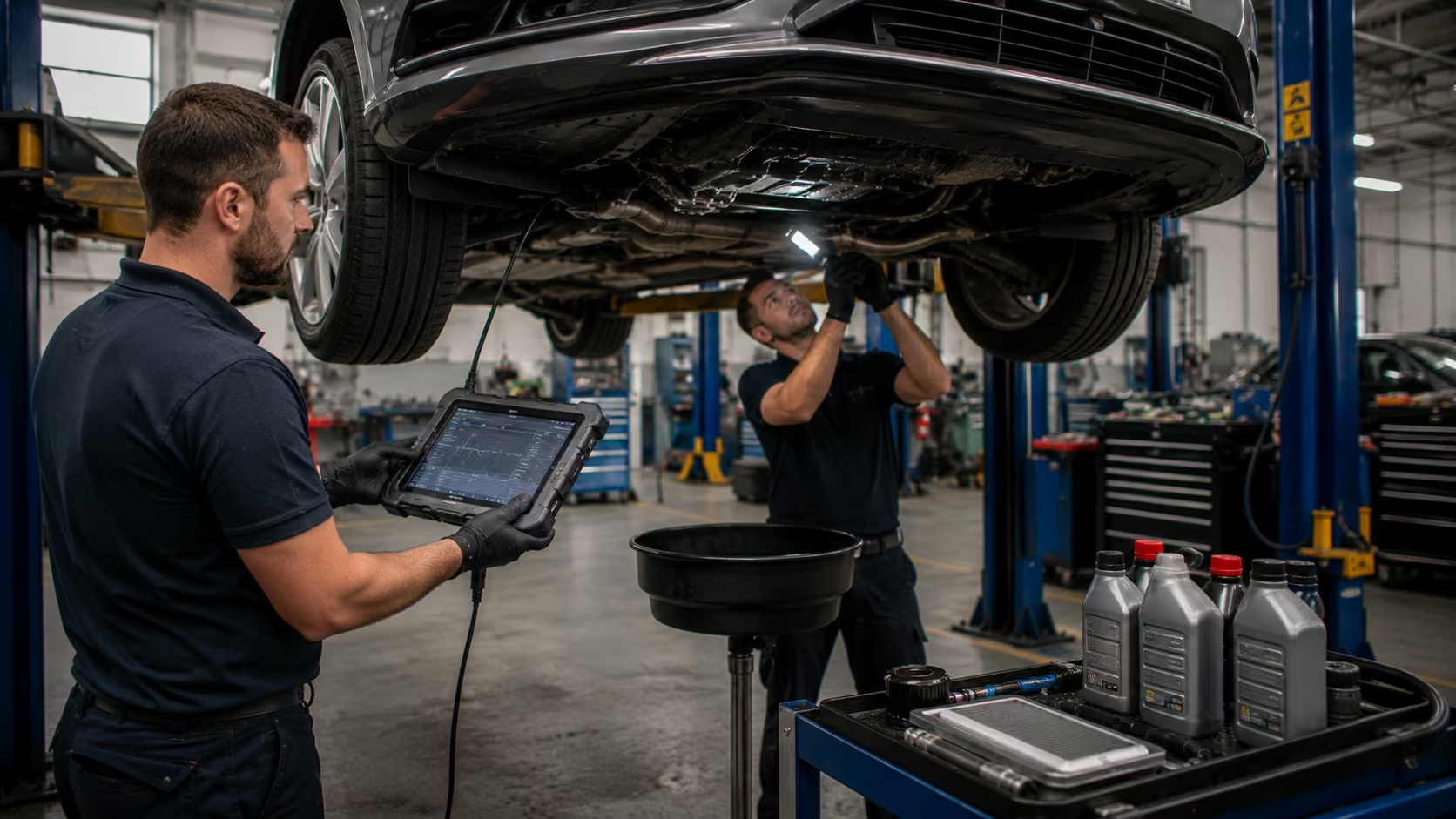
This is the most common cause of jerking in cars under fifteen years old, and it’s often very repairable. A single solenoid replacement is much cheaper than internal gearbox work. First, the fault codes must be read with diagnostic equipment capable of accessing the gearbox. Many generic code readers cannot access the gearbox control modules.
DSG and Dual Clutch Gearbox Jerking
The DSG gearboxes from Volkswagen, Audi and Skoda, and dual-clutch transmissions from other European manufacturers, are worth a separate discussion because they behave differently from conventional automatics. A dual-clutch gearbox is mechanically more similar to two automated manual gearboxes than a conventional automatic transmission .
A slow speed shudder, hesitation pulling away and clunky first-to-second gear changes are often more indicative of worn clutch packs or an aged mechatronic unit than a fluid pressure issue.
Software matters a lot, too. A factory software update and adaptation reset, using manufacturer-level diagnostic equipment, fixes many DSG problems. Proper recalibration is often far more effective than just clearing the fault codes.
Transmission Slipping Repair Costs in Australia
The cost of repairing a slipping automatic gearbox depends on the underlying cause, the type of gearbox in the vehicle and the extent of any internal damage. In general:
Transmission fluid and filter service:Usually one of the least expensive repairs when the problem is caught early.
Solenoid replacement: Usually cheaper than internal gearbox repairs but the price varies by make, model and accessibility.
Valve body repair or replacement: More complex than a fluid service and normally costs more due to additional labour and parts required.
Transmission rebuild or replacement: Often the most expensive option, particularly for European cars or specialist transmissions.
The most important thing is that gearbox issues don’t get cheaper over time. If the car is driven on with slipping or hard shifting, it can cause a lot of internal damage from a minor issue that could be fixed with a routine service or a relatively simple repair. Checking the gearbox at the first sign of symptoms will usually give you more options for repair and help you avoid unnecessary costs.
Transmission Diagnosis and Repair at A to Z Automotive Services
Our Cardiff workshop has been diagnosing and repairing gearbox faults for drivers in Newcastle since 2009, working on everything from Toyota and Mazda conventional automatics to CVTs and European dual-clutch boxes.
Before even thinking about major repairs, every diagnosis starts with gearbox fluid condition check, live diagnostic data review and road test. Not every time a slipping and jerking gearbox is diagnosed early, a complete rebuild is necessary.
If your automatic gearbox is slipping, jerking or shifting irregularly, book an appointment for an inspection before the problem gets worse. Ph: 0432 553 905
FAQs About Automatic Transmission
Can a transmission fluid change fix slipping?
A slipping condition can be caused by a degraded or low fluid but if caught early often a fluid and filter service will restore normal shifting. If the clutch packs are already worn from running on bad fluid then a service will not reverse that damage and can sometimes make an old neglected transmission shift worse.
How long do automatic transmissions last in Australia?
A regular serviced conventional automatic will generally last from 250,000 to 300,000 kilometres. Dual-clutch transmissions and CVTs generally need attention earlier, usually somewhere in the 150,000 to 200,000 kilometre range. These lifespans can be considerably reduced by frequent towing, heavy city traffic, and neglected servicing.
Does jerky shifting always mean the transmission needs a rebuild?
No. Jerky shifting is usually caused by a bad solenoid, old gearbox software or bad gearbox fluid. Fixing these problems is usually much cheaper than a complete rebuild. A rebuild is only necessary when the internal clutch packs or planetary gearsets are worn so badly they cannot be rebuilt. A correct diagnosis is essential before authorising major repairs.
Why does my automatic jerk only when it is cold?
Transmission fluid is thicker when cold , so hydraulic pressures in the valve body are higher until the transmission reaches normal operating temperature . Shifting a little more firmly in the first few minutes of driving is normal . But, hard clunks or continuous jerking after 10 minutes of driving may indicate worn fluid, a sticking solenoid or valve body wear.