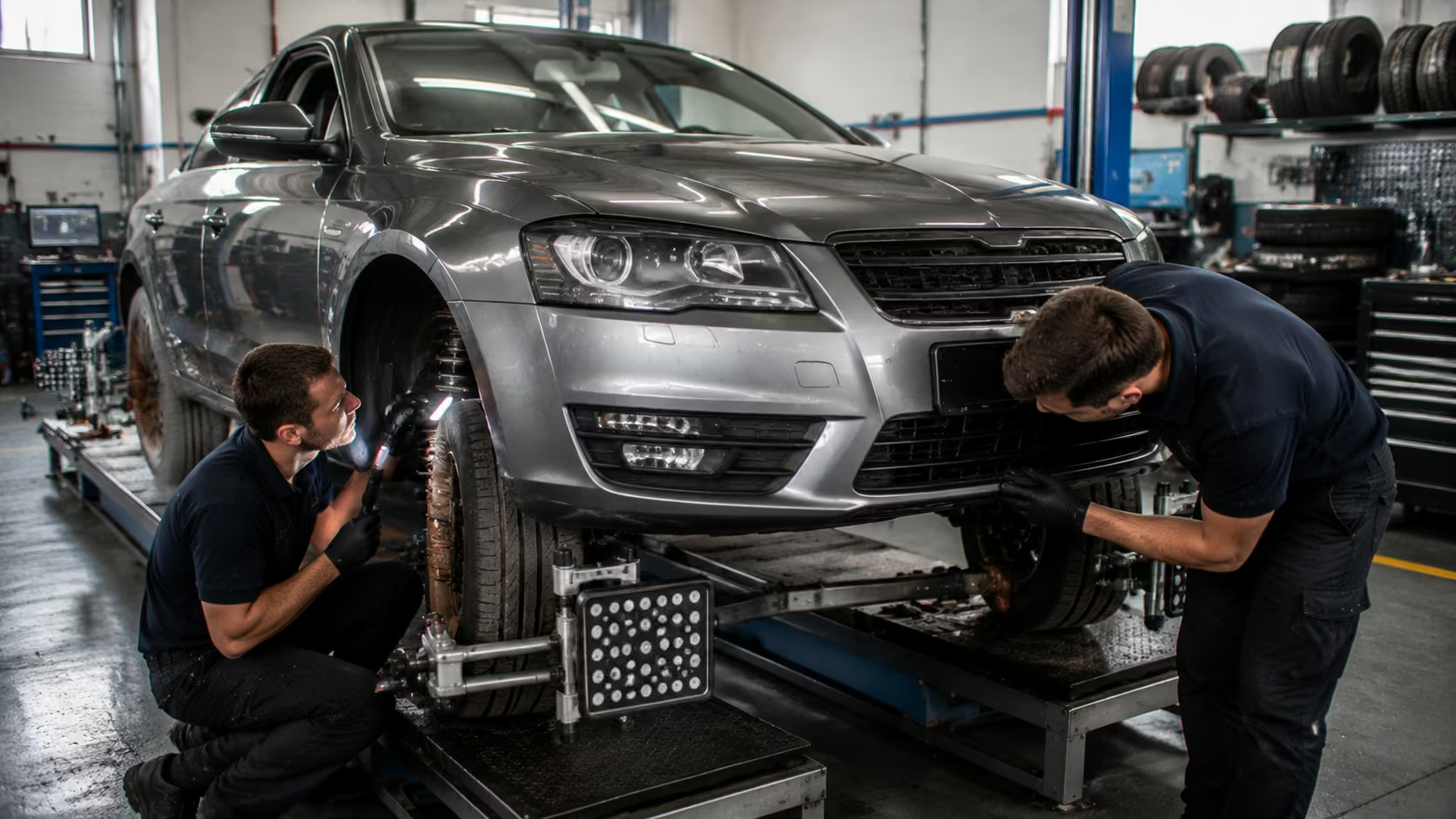
When a car pulls to one side when driving it’s usually due to uneven tyre pressures, bad wheel alignment, a sticking brake calliper, uneven tyre wear or worn suspension and steering components. Start with checking your tyre pressures as they are one of the most common causes. If the pull continues, have the steering, suspension, brakes and wheel alignment checked to determine the source of the problem.
A car that slowly drifts to the left or right is easy to ignore. The change is gradual most of the time. Many drivers make small steering corrections without realising the vehicle is no longer tracking straight. It can be something as simple as incorrect tyre pressure, or it can indicate problems with the braking, steering or suspension systems. Often the fastest way to narrow down the cause is to pay attention to when the vehicle is pulling.
Call Now
Uneven Tyre Pressure and Tyre Wear
Begin with the easiest test , as it is also the most common causes . Even a difference of 8-10 kPa between the two tyres on the same axle increases rolling resistance and makes the vehicle drift to the lower pressure side.
Inspect all four tires and adjust the tire pressure to the amount shown on the driver’s doorjamb—not the maximum pressure shown on the sidewall of the tire. Once the pressures are reset, drive the car again on the same stretch of road to see if the pull has improved.
When checking the tyres, check the tread carefully. Feathering, excessive wear on one shoulder or a saw-tooth pattern are all signs that the tyres have not been running correctly. If the tyre pressures are corrected and the vehicle still pulls then the tyres may be worn unevenly, indicating a problem that has been around for some time.
Wheel Alignment Problems After Hitting a Pothole
If your car started pulling to one side soon after you hit a pothole, drove up on a curb or went over a large speed bump, chances are good that the alignment of the wheels has been disturbed. Even a minor impact can change the wheel angles enough to affect how the vehicle tracks along the road.
Common signs include the steering wheel being off-centre when driving straight, the vehicle constantly drifting in the same direction and uneven tyre wear developing over time. Alignment problems won’t fix themselves, and driving with incorrect wheel angles will significantly reduce tyre life.
Wheel alignment is one of the most common causes of pulling, but not the only cause. If the alignment measurements are in specification and the vehicle still exhibits a drift then further inspection of the tyres, steering, suspension and braking system may be necessary.
Sticking Brake Caliper Pulling the Car to One Side
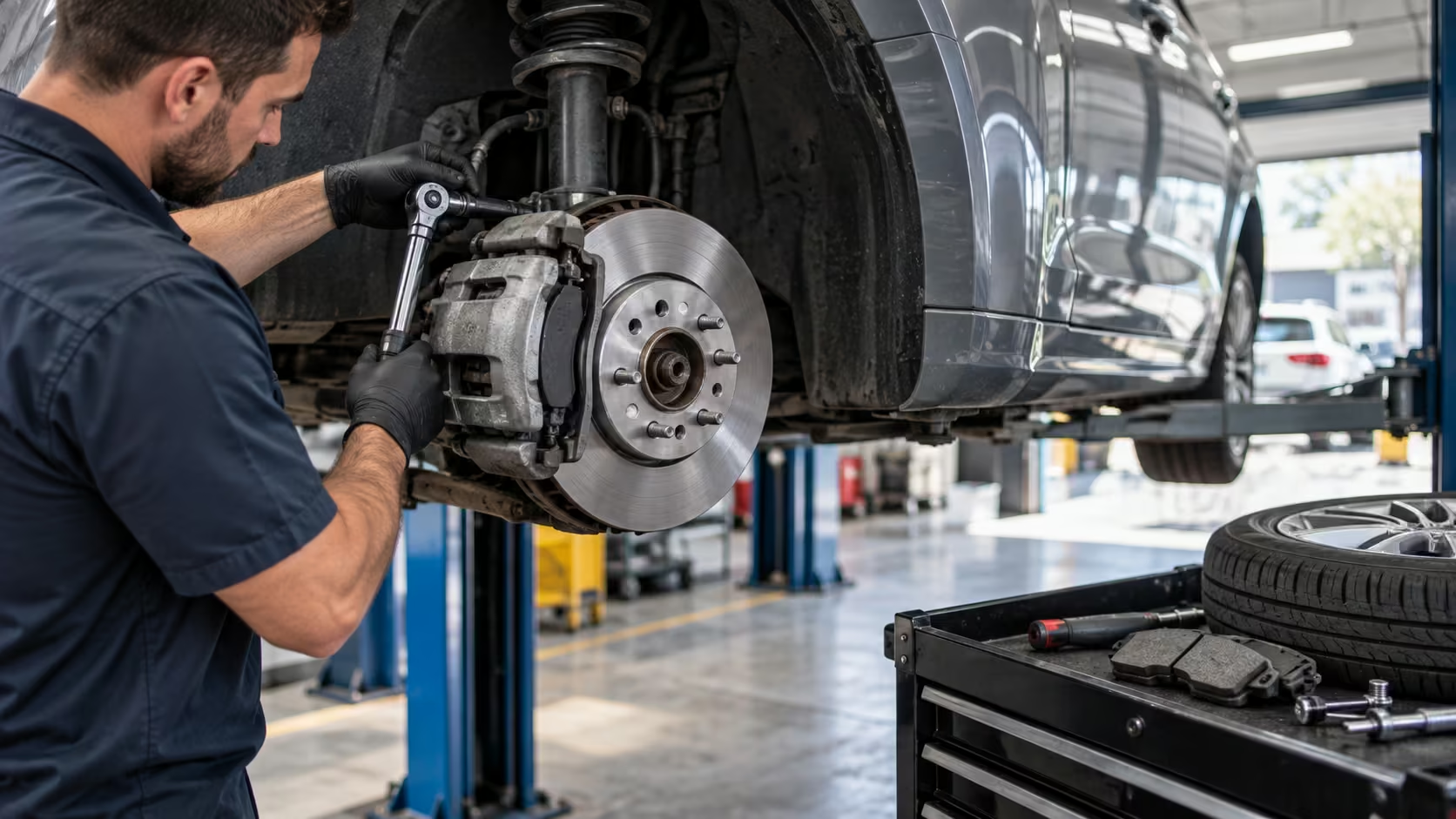
Have the braking system checked if you feel a pull, smell a burning smell, one wheel is much hotter than the others after a normal drive, or your fuel consumption has unexpectedly increased. A stuck brake calliper can cause the brake pad to lightly touch the disc, creating a constant drag that pulls the vehicle to the side of the affected calliper.
But the symptoms are importantly different. A brake that is constantly dragging could cause the vehicle to pull to one side while driving. If the pull happens only when you press the brake pedal, it can be an indication of uneven brake action or some other problem with your braking system.
Because brake-related pulling can affect stopping performance, it is important to get the braking system inspected soon. According to the results, the repair needed can be calliper servicing or replacement, brake pads replacement, brake discs or other related parts replacements.
When the Pull Changes While Driving
A useful clue is if the vehicle always pulls to the same side, or only under certain driving conditions.
If the pull is worse when accelerating, braking, or driving over uneven roads, the problem could be with the steering or suspension system and not just the wheel alignment. As the suspension and steering parts wear, the wheel angles can change slightly as the weight of the vehicle shifts while driving, causing a pull that seems to occur only under certain conditions.
Common signs are wandering steering at highway speeds, clunking sounds over bumps or a pull that shifts depending if you are accelerating or decelerating. Since there are several different parts that can cause similar symptoms, the best way to determine the actual cause, before replacing parts unnecessarily, is usually a thorough inspection.
Is It the Road or the Car?
Think about the road surface before you blame the vehicle. In Australia, roads are deliberately given a slight slope. This is known as road camber and it assists in directing rainwater towards the side of the road. Many vehicles drift slightly toward the shoulder as a result.
A simple comparison is possible. Drive on a different road where it is safe to do so, such as another lane on a divided road or a flat car park. If the direction or amount of drift changes with the road surface, road camber may be the reason. If the vehicle consistently pulls in the same direction regardless of where it is driven, the cause is more likely to be mechanical.
Is It Safe to Drive a Car That Pulls to One Side?
A mild pull caused by wheel alignment is generally more of a tyre wear issue than an immediate safety concern. However, continuing to drive for long periods can significantly reduce tyre life and make the vehicle more tiring to control.
A pull related to the braking system is more serious. If the vehicle moves sharply to one side while braking, particularly during harder braking, it can affect stability and increase stopping distances. Likewise, if the pull is accompanied by a burning smell, unusual noises or excessive heat from one wheel, the vehicle should be inspected as soon as possible.
Steering and Alignment Inspections at A to Z Automotive Services
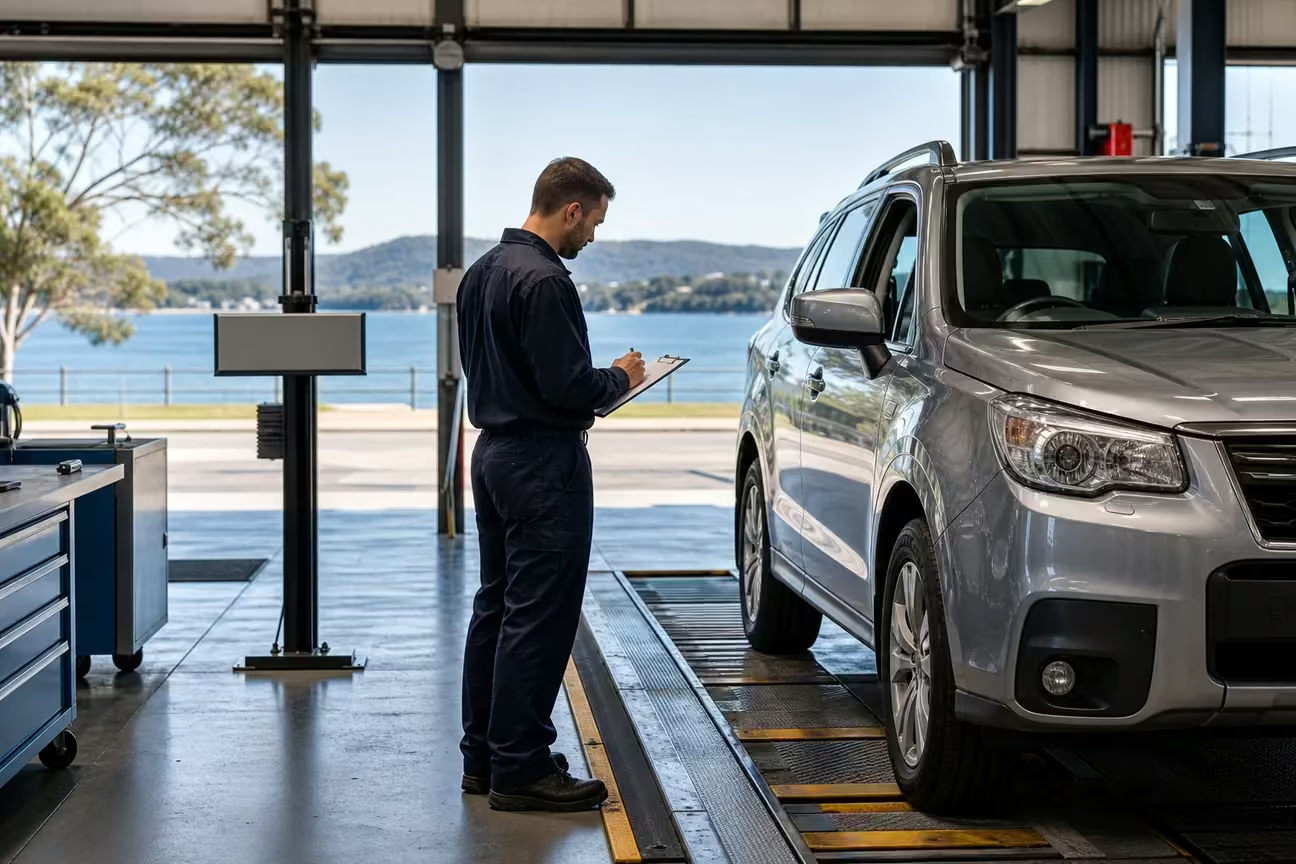
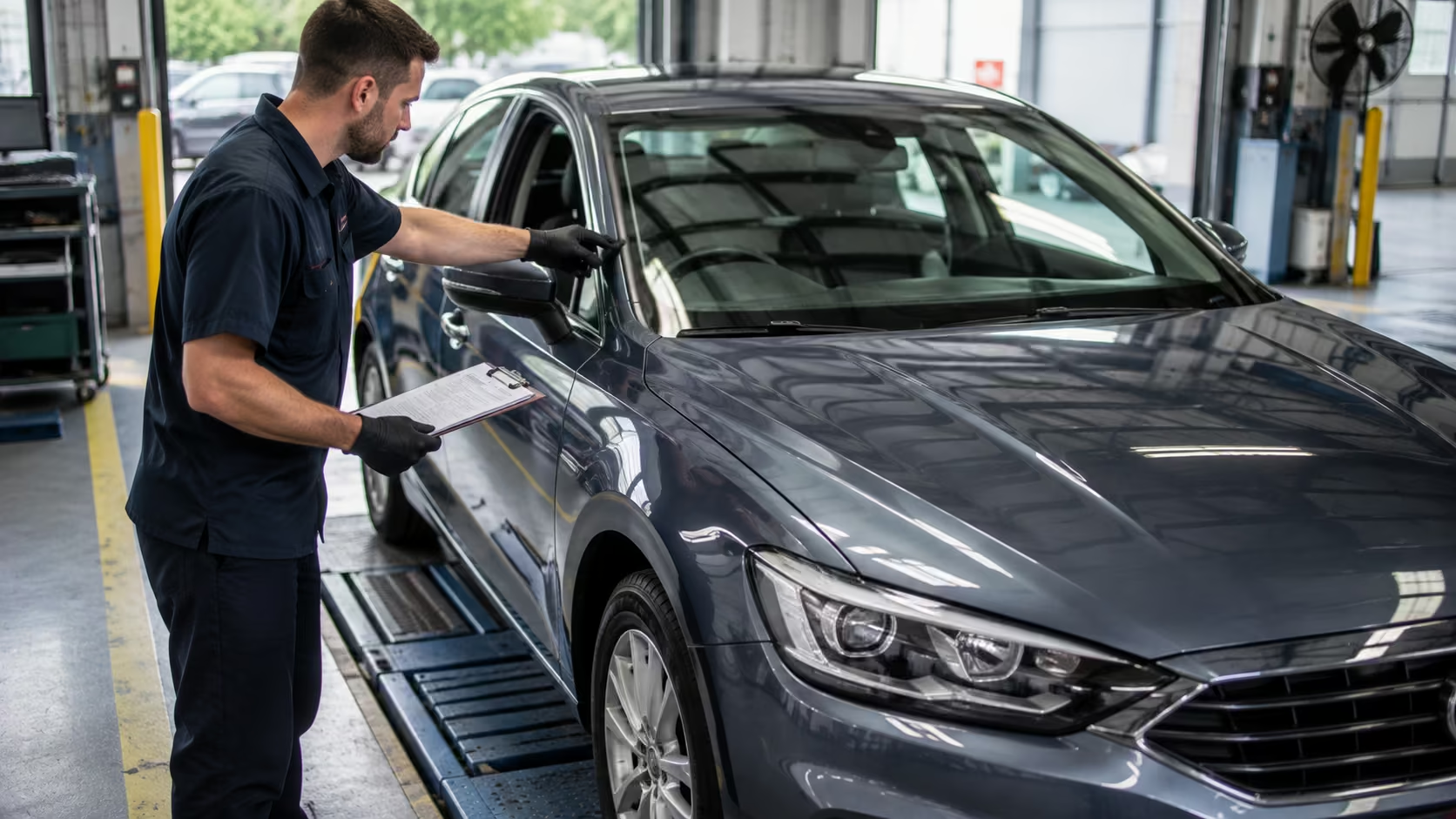
A vehicle can pull to one side for several different reasons, which is why an accurate diagnosis is important before replacing parts or performing a wheel alignment. At A to Z Automotive Services, we begin by confirming the symptom during a road test before checking tyre pressures, tyre condition, wheel alignment, brake performance and suspension components. This systematic approach helps identify the underlying cause rather than simply treating the symptom.
If your vehicle no longer tracks straight or you’ve noticed yourself constantly correcting the steering wheel, book an inspection with our team. Identifying the cause early can help reduce unnecessary tyre wear and prevent further damage to related components.
FAQs About a Car Pulling to One Side
Why does my car pull to one side after fitting new tyres?
New tyres can reveal an alignment problem that worn tyres were previously masking. In some cases, tyres can also have slightly different rolling characteristics from side to side, known as tyre conicity. Swapping the front tyres from left to right can help determine whether the tyre itself is contributing to the pull.
Can a car that pulls to one side fail a pink slip inspection?
Yes. NSW safety inspections include checks of the steering and braking systems. If the pull is caused by a braking fault, steering problem or excessive tyre wear, it may result in a failed inspection. Even if a mild alignment issue initially passes, continued tyre wear may eventually lead to defects.
Why is my steering wheel off-centre when driving straight?
An off-centre steering wheel usually indicates that the wheel alignment has changed, often after striking a pothole, mounting a kerb or following suspension repairs. A professional wheel alignment can normally restore the steering wheel to its correct position. If the steering wheel is off-centre and the vehicle also pulls to one side, the issue should be inspected promptly to prevent excessive tyre wear.
Can the wrong tyre size or mismatched tyres cause pulling?
Yes. Different tyre brands, tread patterns or wear levels across the same axle can create differences in grip and rolling resistance, causing the vehicle to drift to one side. Matching tyres across each axle is recommended, and on all-wheel-drive vehicles, incorrect tyre sizes can also place additional stress on the drivetrain.