One of the most overlooked but critical components in your vehicle is your engine’s timing system. Timing belt, timing chain, same difference. They both do the same thing. Keep your engine’s valves and pistons perfectly in sync. If either one fails, the consequences can be catastrophic.
Here’s what every driver needs to know about timing belts vs chains, the warning signs that something is wrong and what it will cost you if you wait too long.
Timing Belt vs Timing Chain: What’s the Difference?
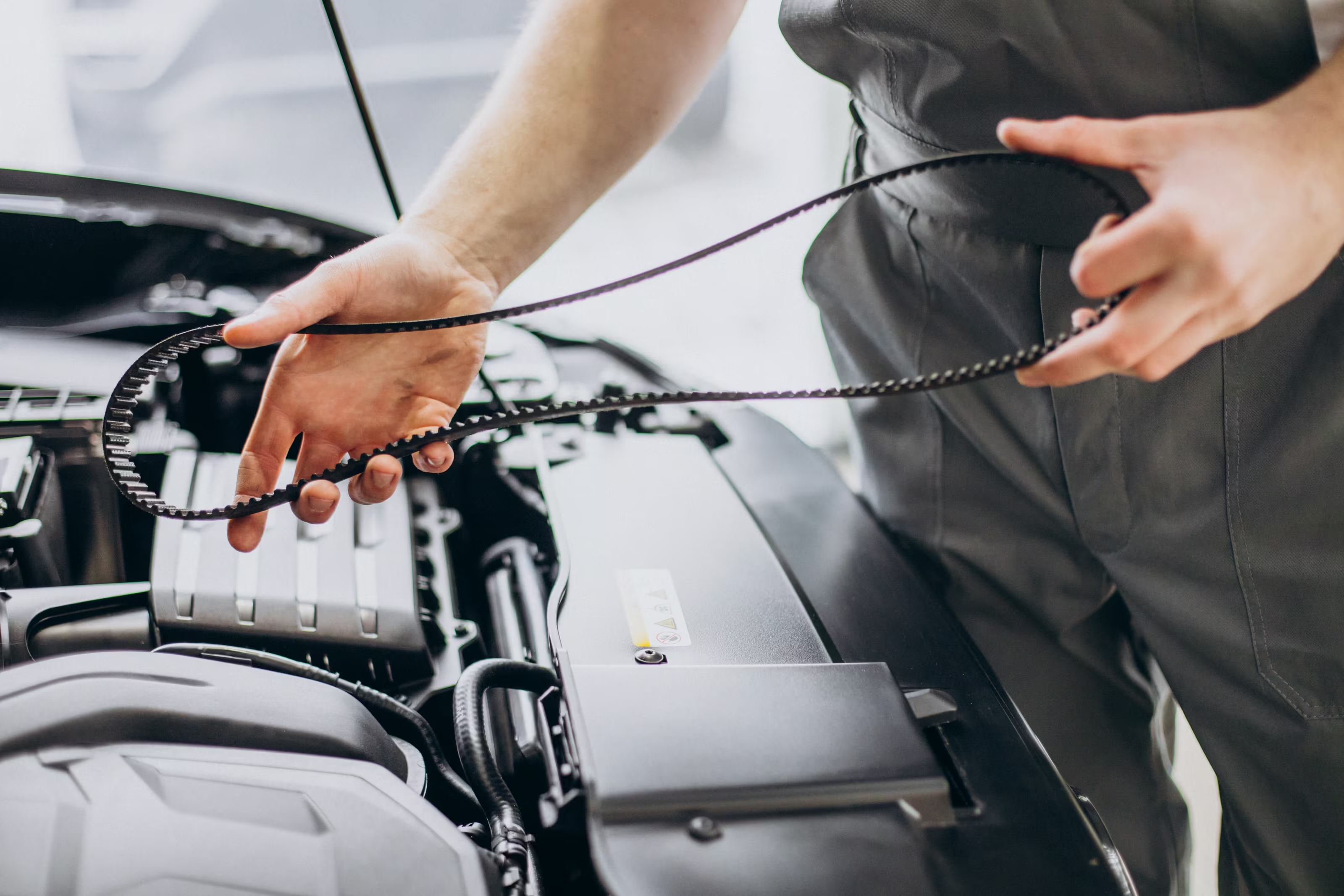
Both parts synchronise the rotation of the crankshaft and camshaft, but they are built differently and require different maintenance procedures.
Timing belts are quieter because of the reinforced rubber material. It is usually replaced every 60,000 to 100,000 km or 5 years, whichever comes first, and it needs proactive replacement, because it gives very little warning before it snaps.
A timing chain is made of metal and is meant to last the life of the engine with regular oil changes. But chains can stretch over time, especially in engines low on oil and a stretched chain leads to its own serious problems.
Not sure what your car has? Refer to the owner’s manual or ask your mechanic. Some European vehicles like BMW, Audi, and Mercedes use timing chains, but other vehicles such as Toyota, Honda, and Subaru use timing belts.
Warning Signs You Shouldn’t Ignore
Whether it’s a belt or a chain, your engine will often give you signals that something isn’t right. Watch for:
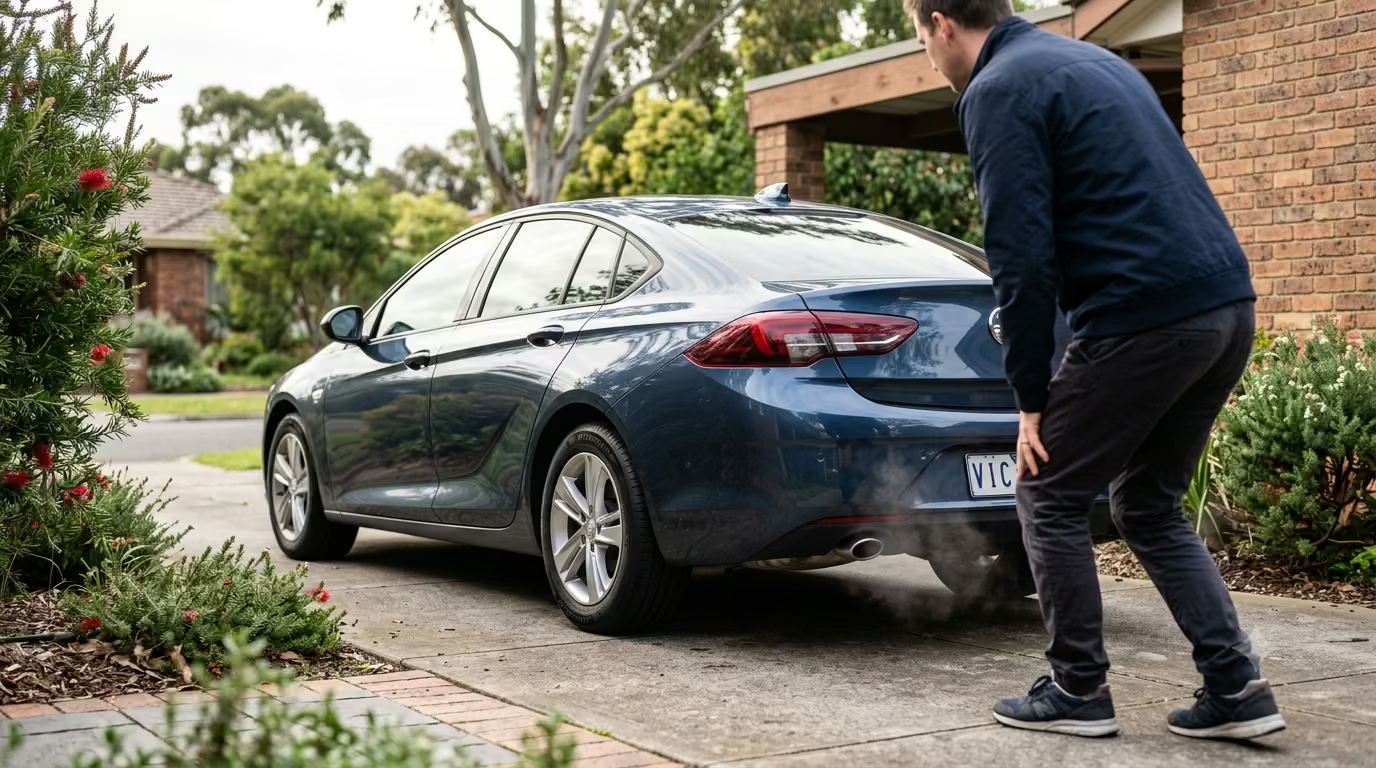
- Ticking or rattling noise at startup – A stretched chain or worn belt tensioner will often cause this, especially when the engine is cold.
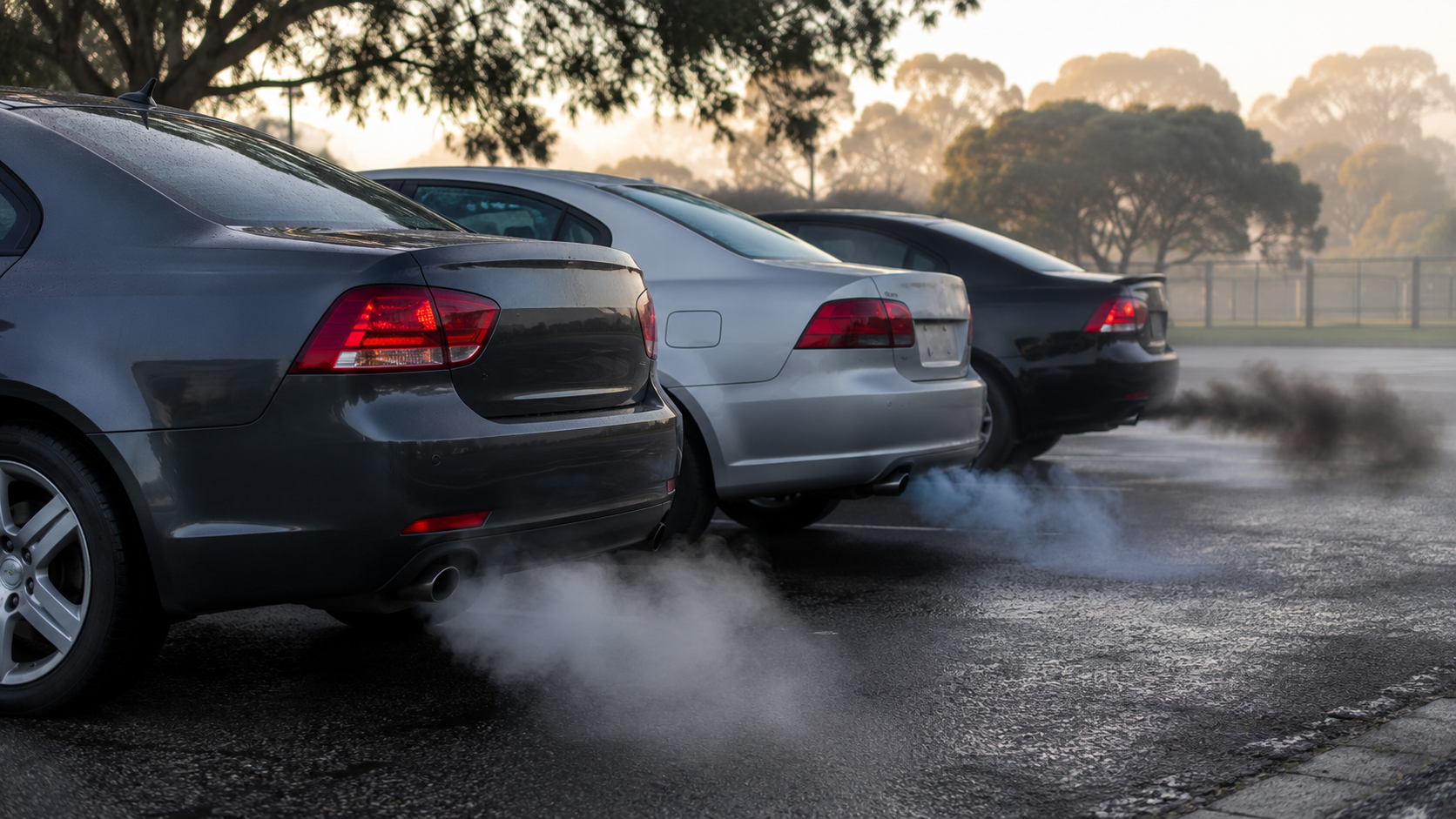
- Engine misfire or rough running – improper timing causes cylinders to fire at the wrong time causing loss of power and rough idle.
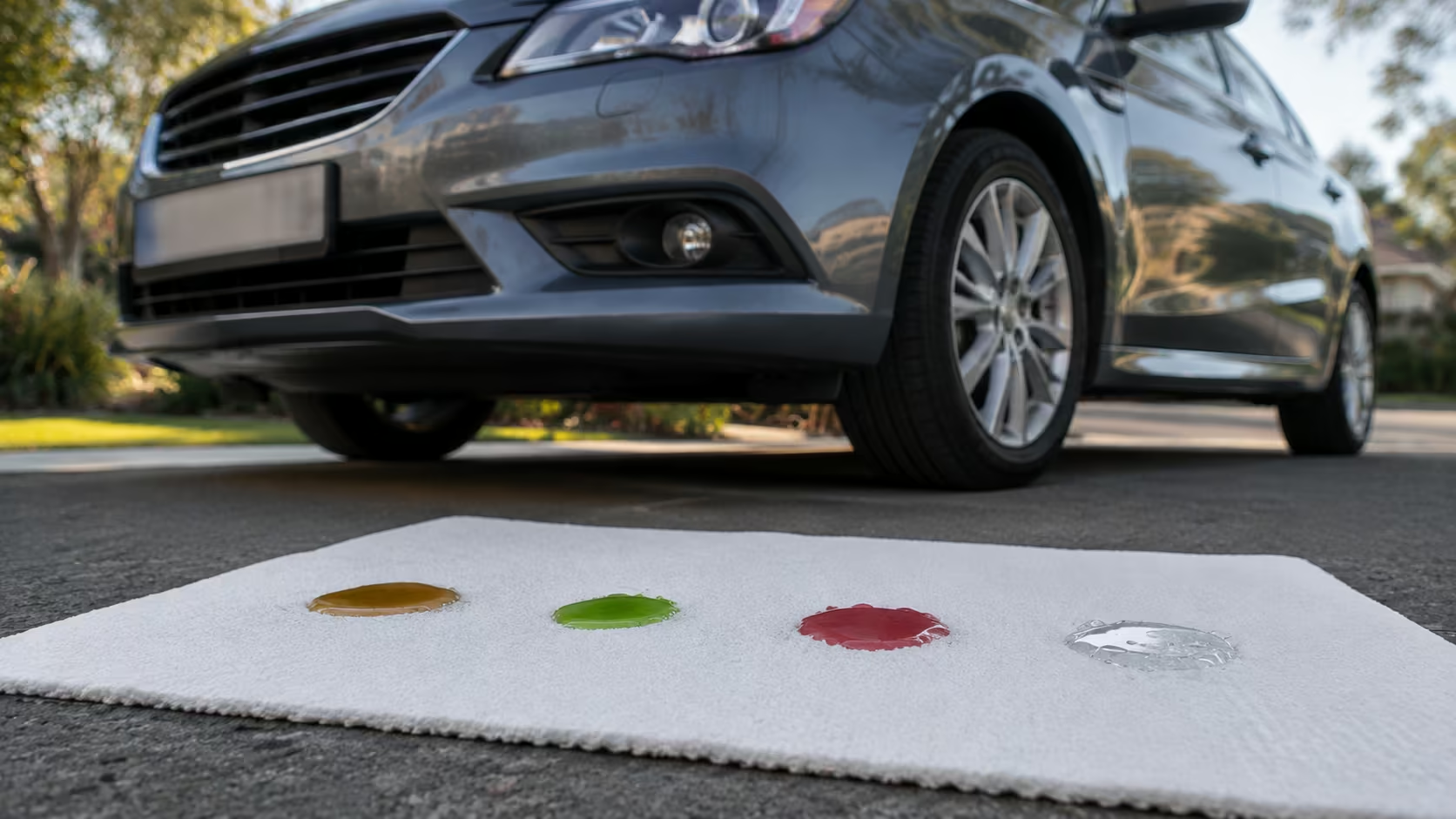
- Oil leaking around the timing cover – Seals around the timing system can wear out and allow oil to contaminate a rubber belt, drastically reducing its life.
- The engine won’t start – If the timing belt has already snapped, the engine will turn over, but not start.
- Check engine light – Most of the time, this warning is due to timing-related fault codes (camshaft position error, etc.).
If you notice any of these, don’t wait. A timing issue that’s caught early is a relatively simple repair. The very expensive one is the one left too long.
What Happens If You Ignore It?
This is where it gets serious. If a timing belt snaps while the engine is running particularly in an interference engine the pistons and valves collide. The result is typically:
- Bent or broken valves
- Damaged pistons
- Scored cylinder walls
- Complete engine failure requiring a full rebuild or replacement
Timing chains that are left to stretch too far can jump a tooth on the sprocket causing the same catastrophic valve-to-piston contact, or leaving you stranded with a seized engine.
Timing Belt & Chain Replacement Costs
The cost will depend on the make and model of your vehicle and what other parts, in addition to the belt or chain, are being replaced. At A to Z Automotive Services, we give you a complete written estimate before any work is done. If we do recommend replacing other parts such as the water pump or tensioner we will explain exactly why so you can make an informed decision.
Frequently Asked Questions
How do I know if my car has a timing belt or a timing chain?
The best way is to check your owner’s manual or logbook, it will specify the timing system and any replacement intervals. Alternatively, call your mechanic with your car’s make, model, and year and they can tell you within seconds. As a general guide: if your vehicle has a scheduled timing belt replacement in the service book, it has a belt. If there’s no such interval listed, it likely has a chain.
How long does a timing belt last in Australia?
Most manufacturers recommend replacing a timing belt every 60,000 to 100,000 km or every 5 years, whichever comes first. In Australia’s climate, age matters as much as kilometres, because heat and UV exposure degrade rubber faster. Even a low-kilometre car can have a brittle, cracked belt if it’s been sitting for years.
Can I drive with a timing chain rattle?
No, not safely. A rattling timing chain is a sign that the tensioner is worn or the chain has stretched, and continued driving risks the chain jumping a tooth or breaking entirely. If you hear a rattle at startup that goes away after a few seconds, get it inspected immediately. The sooner it’s caught, the less expensive the repair.
Should I replace the water pump at the same time as the timing belt?
Yes, and almost every mechanic will recommend this. The water pump sits in the same area as the timing belt and is driven by it on many engines. Since most of the labour cost is already spent accessing that area, replacing the water pump at the same time adds minimal extra cost, and avoids paying for the same labour job twice if the pump fails shortly after. It’s one of the smartest cost-saving decisions you can make.
Timing Belt or Chain Concerns? Talk to A to Z Automotive Services
Don’t wait for a rattle to turn into a repair bill that runs into the thousands. Whether you’re due for a scheduled timing belt replacement, hearing unusual engine noises, or simply want to know the condition of your timing system, the team at A to Z Automotive Services is here to help.
RELATED READS YOU WILL SURELY LIKE:
- A to Z Auto: Top Rated Mechanic in Newcastle
- What Sets the Best Mechanics Apart From the Rest?
- How to Find the Best Mechanic in Newcastle (Without Overpaying)
- Hybrid Experts: What Makes a Good Toyota Prius Mechanic?
- The Best Toyota Mechanic in Newcastle: What to Look For in a Reliable Service Provider
- Do I Really Need a Mercedes-Benz Specialist Mechanic? Here’s the Truth
- Best European Car Mechanic in Newcastle: How to Choose the Right Workshop
- Top 5 Signs Your European Car Needs a Specialist Mechanic (Before It Gets Expensive)
- Why You Should Choose a Specialist European Mechanic for Your BMW, Audi or Volkswagen