braking should be smooth and controlled. If your vehicle starts to vibrate every time you hit the brakes, it usually means that something is wrong.
A few drivers have slight shake in steering wheel. Others feel a vibration through the brake pedal or even the whole vehicle. It could only happen when slowing down from higher speeds or it could be felt every time you brake.
For now, the car may still stop safely, but failure to deal with the vibration can lead to increased wear and tear on the braking system and in some cases affect the way the vehicle handles.
This article describes why a car vibrates when brakes are applied, common causes, and how a professional inspection can help identify the real problem.
Call Now
Why Does My Car Vibrate Only When I Brake?
If the vehicle runs smoothly but shakes as soon as you hit the brakes, it is usually an issue with the braking system rather than the engine or gearbox.
When you press the brake pedal, several parts work together to slow the vehicle down. If any of these parts are worn, damaged or not working properly, the braking force may no longer be distributed uniformly. It is this uneven force that creates the vibration that you can feel.
Vibration is just a symptom. The key is to determine the component that is causing it.
Where Do You Feel the Vibration?
The location of the vibration often provides useful clues.
The Steering Wheel Shakes
A vibrating steering wheel under braking is often an indication of a problem with the front wheels. This condition can be caused by brake rotors, suspension parts or steering components.
The Brake Pedal Pulses
If the brake pedal kicks back into your foot over and over, your brake rotors might be unevenly worn or have thickness variations.
The Entire Vehicle Vibrates
If you feel the whole car shaking when you hit the brakes, it may be a problem with the rear brakes, some suspension component, or multiple worn parts working together.
Different faults can cause similar symptoms so it is important not to assume the brakes are always the only cause.
The Most Common Causes of Brake Vibration
Brake Rotors with Uneven Wear
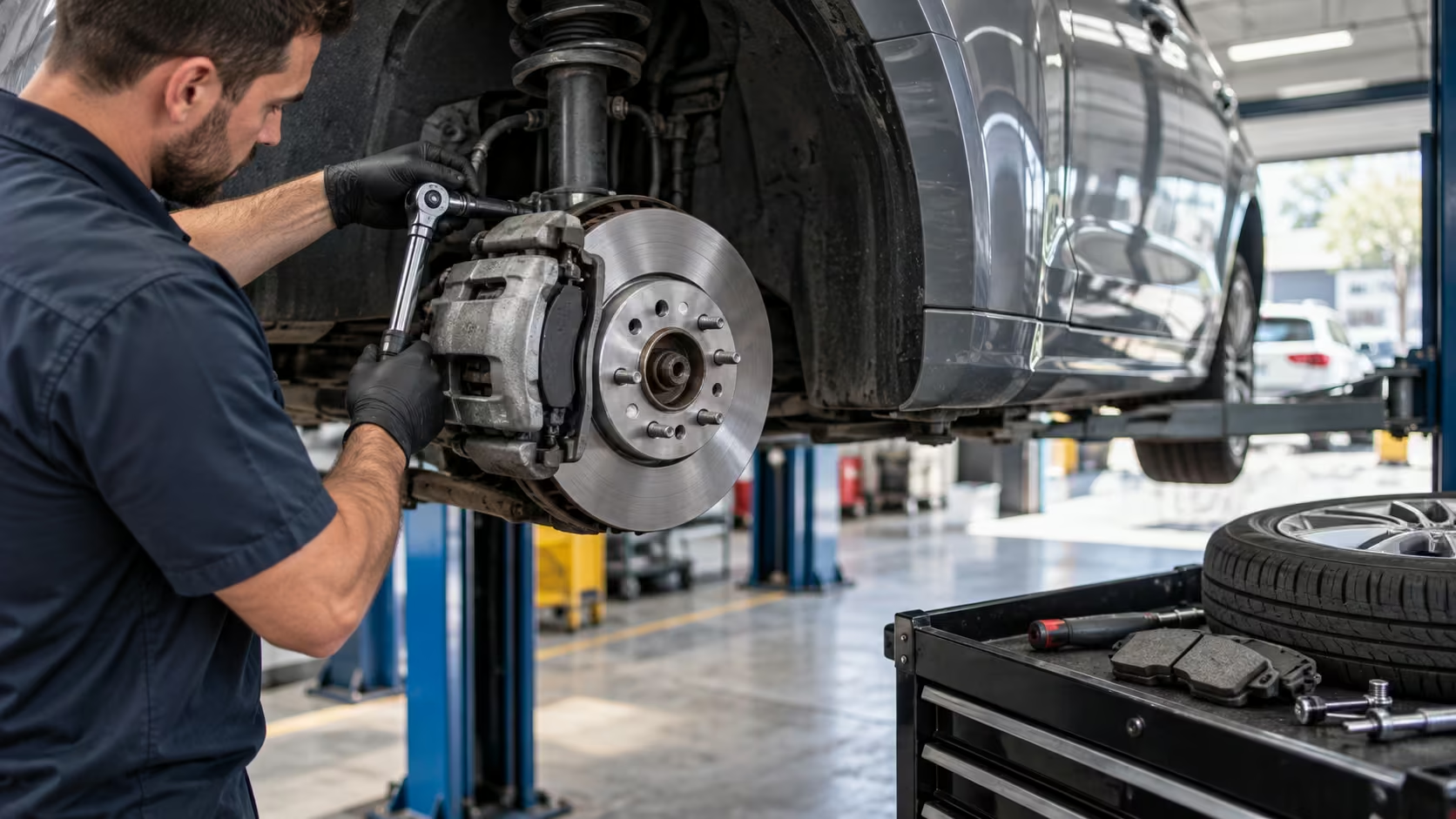
One of the most common causes of brake vibration is the brake rotors.
Repeated heating and cooling can cause the rotor surface to wear unevenly over time. Sometimes the brake pad material is deposited unevenly over the rotor face. In these areas, the braking force varies slightly with each revolution of the wheel as the pads pass over them.
That’s why the steering wheel or brake pedal can begin to shake, especially when braking at highway speeds.
Signs often include:
- Vibration increases with speed
- Brake pedal vibrating
- Shaking that is only when braking
If the rotors are out of manufacture’s specifications, they may need to be machined or replaced.
Brake Pads That Have Worn Unevenly
Brake pads do wear out naturally over thousands of kilometres but not always evenly.
Pads that are too worn, contaminated or damaged may not make full contact with the rotor. This can lead to uneven braking performance and cause vibrations.
Replacing worn brake pads early could also help avoid unnecessary rotor wear.
A Brake Caliper That Doesn’t Release Properly
As you decelerate, each brake calliper clamps down on the brake pads.
If one calliper sticks or does not release properly, then one wheel may be braking harder than the others. This causes additional heat, uneven wear and a noticeable vibration.
- The car has a slight pull when braking
- Smell of burning after driving
- One wheel running much hotter than the other wheels.
If a calliper sticks, repair it before it does any more damage to the braking system.
Suspension Components Showing Their Wear
When you brake, the weight of the vehicle shifts forward to the front wheels.
That extra load can make the movement all the more obvious if suspension parts such as control arm bushes, ball joints or tie rod ends have worn over time.
Drivers replace brake parts only to find out the vibration is still there because the suspension was part of the problem.
Wheel Bearings Beginning to Wear
Vibration, noise and steering instability are all possible results of a worn wheel bearing.
These symptoms can be felt while driving normally, but braking often places more strain on the bearing and makes the vibration easier to feel.
If left unchecked, a worn bearing can eventually affect vehicle safety. Get it checked as soon as possible.
Damaged Wheels or Tyres
Brake components are the most likely culprits, but tires and wheels should not be ruled out.
As the vehicle slows down, a damaged wheel, uneven tyre wear or internal tyre damage can sometimes be more apparent.
A full inspection will look at these parts as well as the braking system, not just one possible cause.
Why the Problem Usually Gets Worse
Brake vibration won’t go away on its own.
As parts wear out, the vibration usually gets worse and more noticeable. This increases wear on other components of the braking system and also reduces the overall comfort of driving.
It’s usually cheaper to diagnose it early rather than waiting until there are multiple components that need to be replaced.
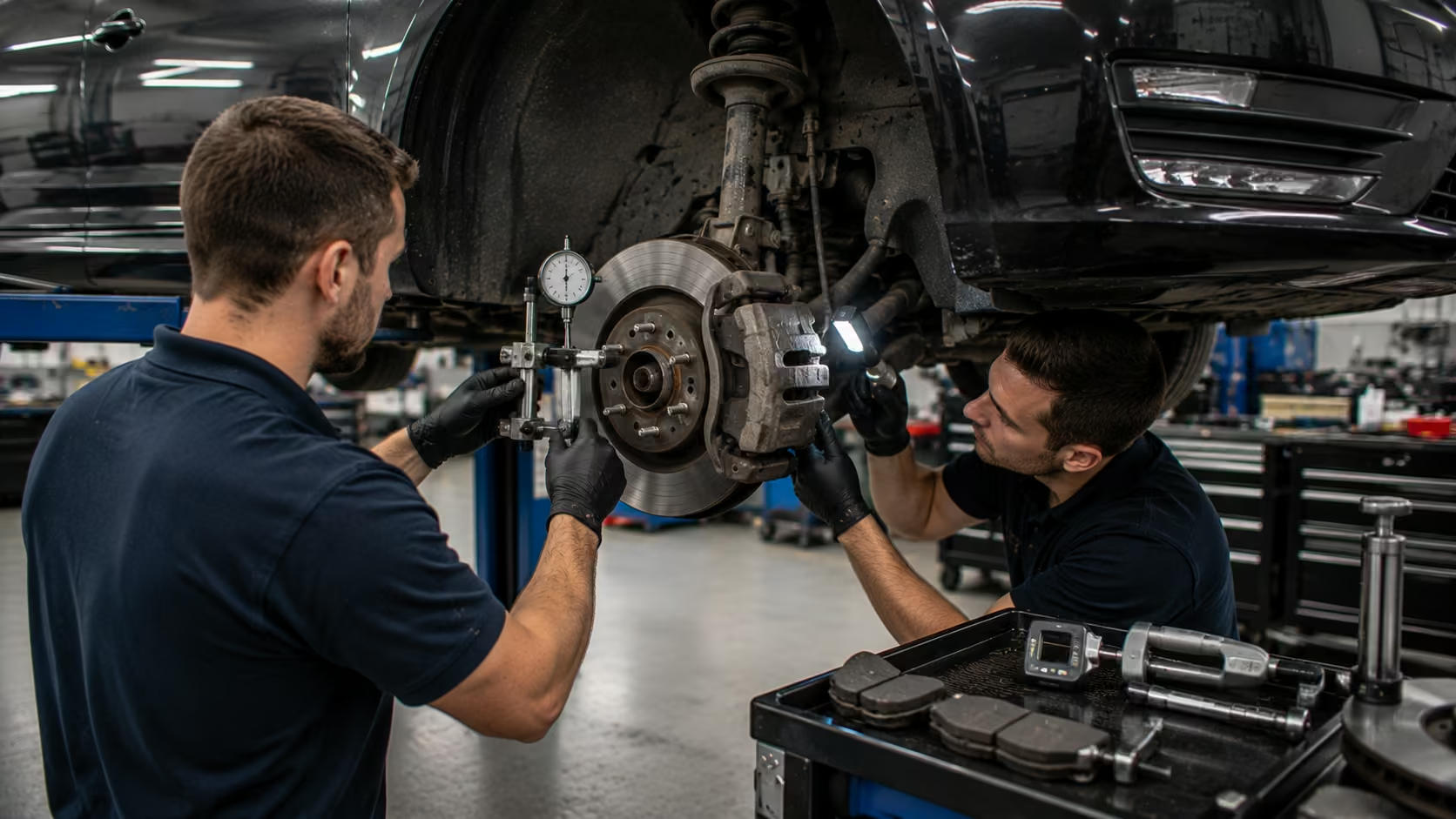
How a Workshop Finds the Cause
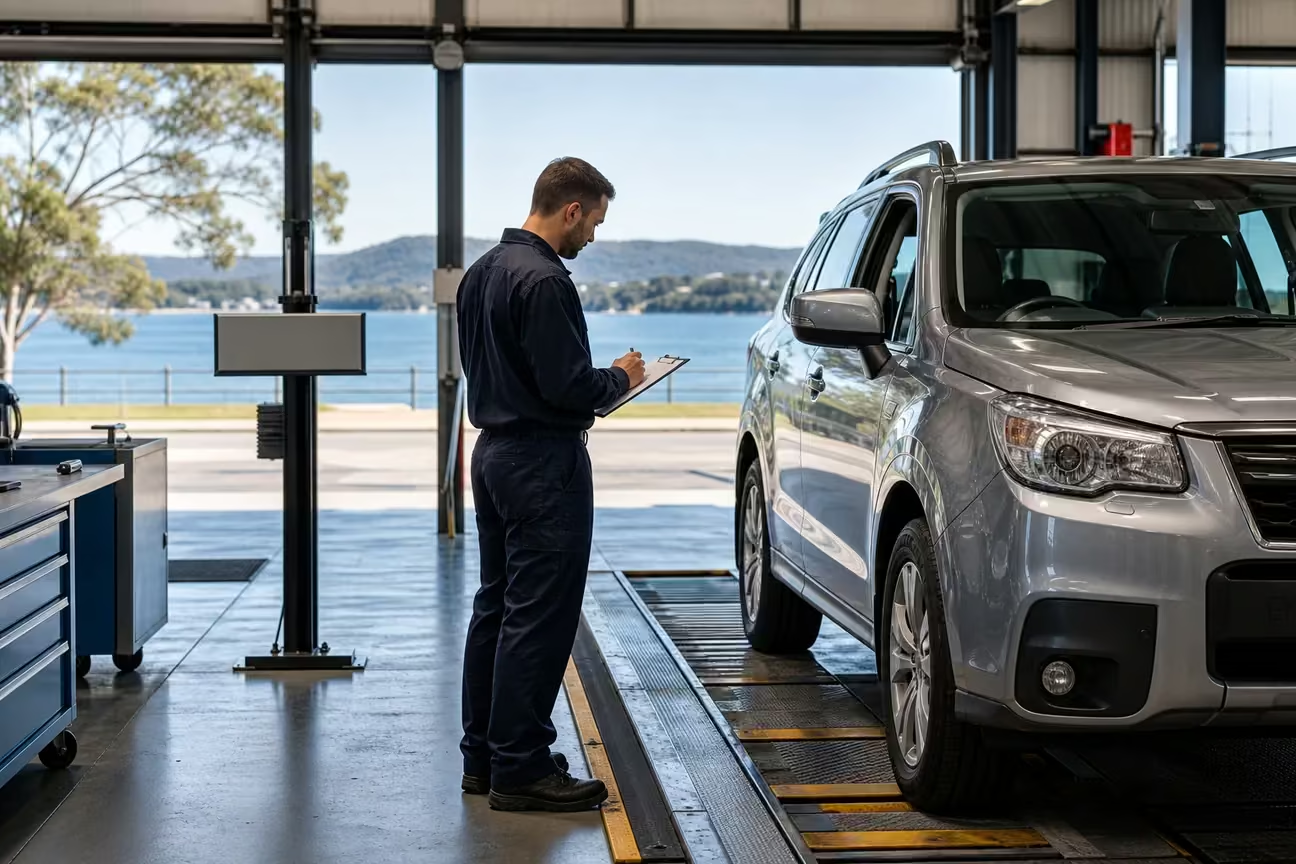
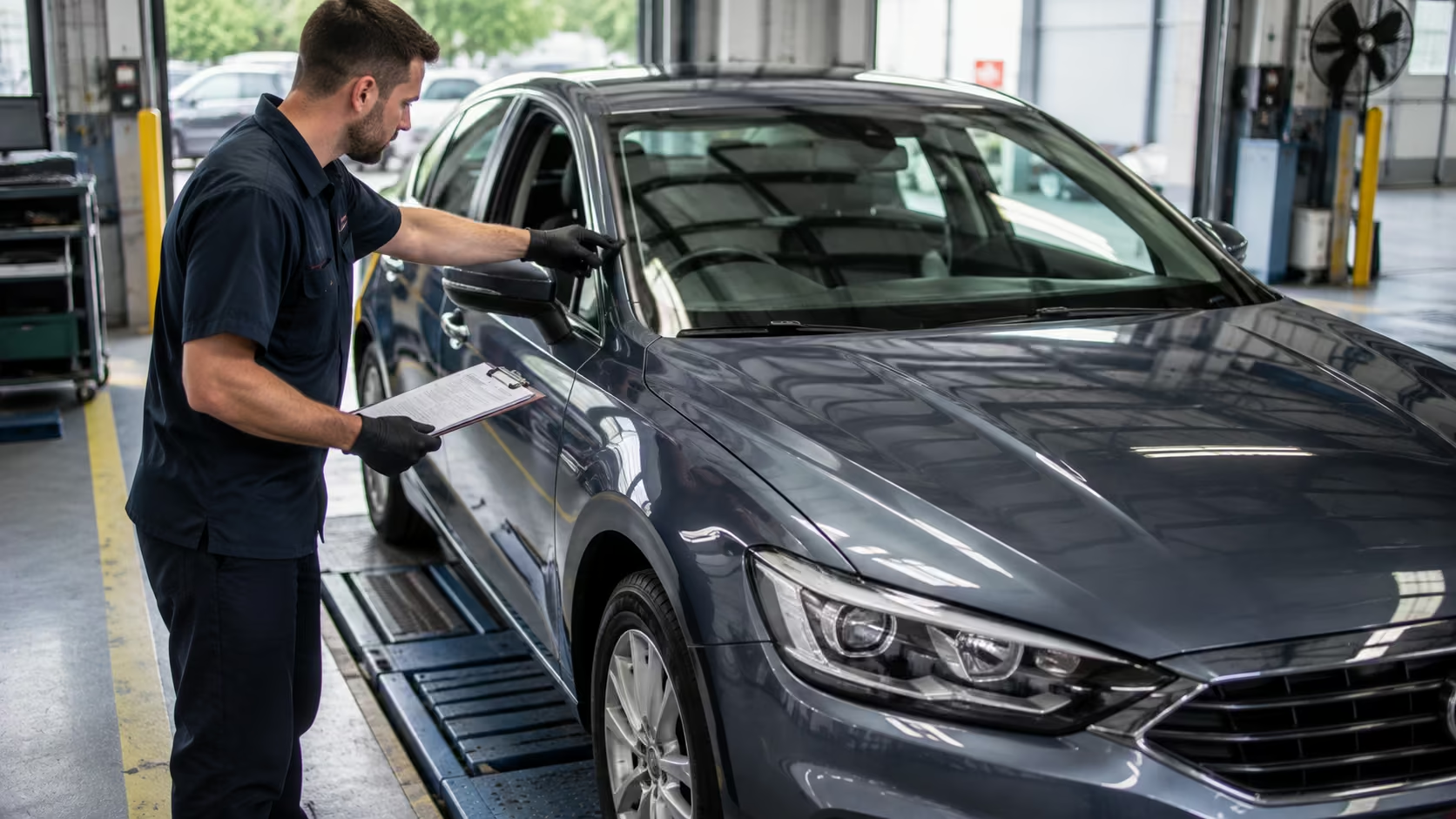
A professional inspection is no guessing game!
Perform a road test on the vehicle to confirm the symptoms.
- Check the brake pads and rotors.
- Run out and thickness check rotors.
- Check brake calliper operation
- Check suspension and steering.
- Examine wheel bearings, tyres and wheels.
- Recommend repairs based on the results of the inspection.
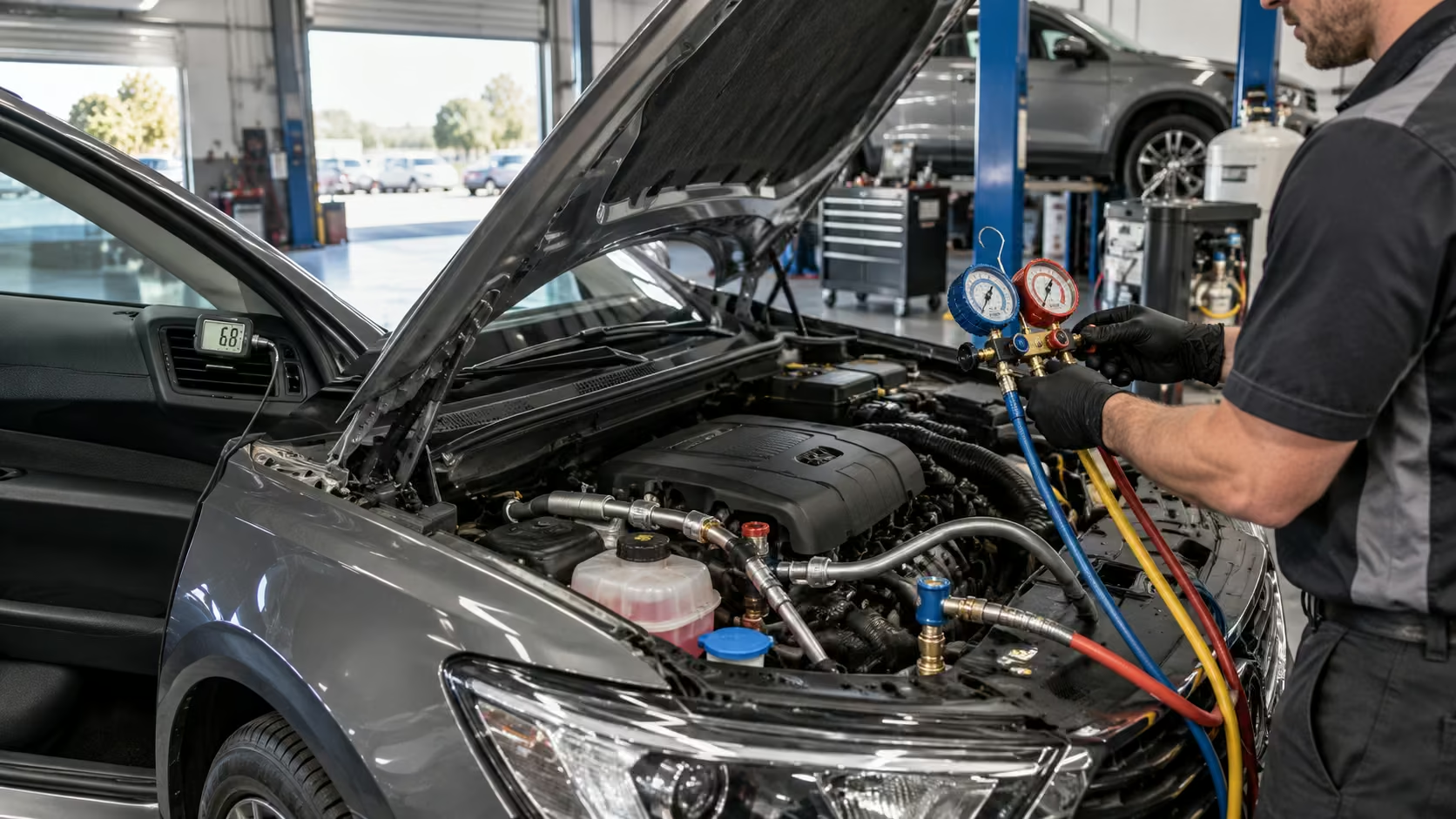
If electronic faults are suspected, a diagnostic scan may be performed as well.
Should You Keep Driving?
A little vibration does not necessarily mean that the vehicle is not safe to drive right away, but it should not be ignored.
If the vibration is strong, the steering wheel shakes a lot, the braking performance changes or unusual noises develop, it is best to have the vehicle checked as soon as possible.
Prompt repairs can prevent further wear and restore smooth, consistent braking.
Final Thoughts
When you press the brakes and the car vibrates, it’s telling you that something needs attention. The cause could be as simple as worn brake pads or as complex as damaged rotors, worn suspension or a sticking brake calliper.
There are a number of different faults that can result in similar symptoms so the best way to find the problem is to have a proper inspection.
Dealing with the issue sooner not only makes for a more comfortable drive, but can also help avoid more costly repairs down the road.
At A to Z Automotive Services, our experienced technicians diagnose brake vibration by inspecting the complete braking, steering and suspension systems, ensuring the underlying problem is identified before any repairs are recommended. If you’ve noticed that your vehicle shakes when you use the brakes it is best to schedule a brake and suspension inspection with a professional.
Frequently Asked Questions
Why does my car only vibrate when I brake?
Often, this is an indication of a problem with the braking system, such as uneven brake rotors, worn brake pads or a sticking brake calliper. Suspension or steering components can be a factor as well.
Can worn brake pads cause vibration?
Yup. Brake rotors can vibrate when you slow down if the brake pads are worn unevenly or are damaged and therefore make inconsistent contact with the brake rotor.
Why does the steering wheel shake when I brake?
This is usually an indication of a problem with the front braking system . Worn steering or suspension components can produce similar symptoms.
Is brake vibration dangerous?
Not all vibrations are an immediate safety hazard, but they should always be investigated. If the problem is not corrected, it can lead to additional wear and affect braking performance.
Will replacing the brake pads fix the vibration?
Not always If the brake rotors, callipers or suspension components are worn as well, changing the pads may not fix the problem. A thorough inspection can reveal the true reason.